 EN
EN  English
 Español

News
 Home / Blogs / Industry News / How Do Heavy Duty Truck Shock Absorbers Improve Ride Comfort and Safety?
 How Do Heavy Duty Truck Shock Absorbers Improve Ride Comfort and Safety?
 2026.03.15
 Industry News
Function and Role of Heavy-Duty Truck Shock Absorbers
Shock absorbers are essential in controlling the vibration of the suspension springs, ensuring continuous contact between the wheels and the ground, and improving vehicle stability and ride comfort. Under heavy load, the suspension system experiences strong vibrations and impacts. Without high-performance shock absorbers, these vibrations would directly affect the vehicle body and cabin, impacting driving experience and accelerating wear on other components.
Heavy-duty truck shock absorbers convert the kinetic energy generated by the suspension system into heat energy through hydraulic damping or gas-hydraulic hybrid principles, slowing down spring rebound. High-quality shock absorbers maintain stable damping characteristics under heavy loads, effectively reducing body roll even on rough terrain and enhancing cargo safety.
Design and Structural Features
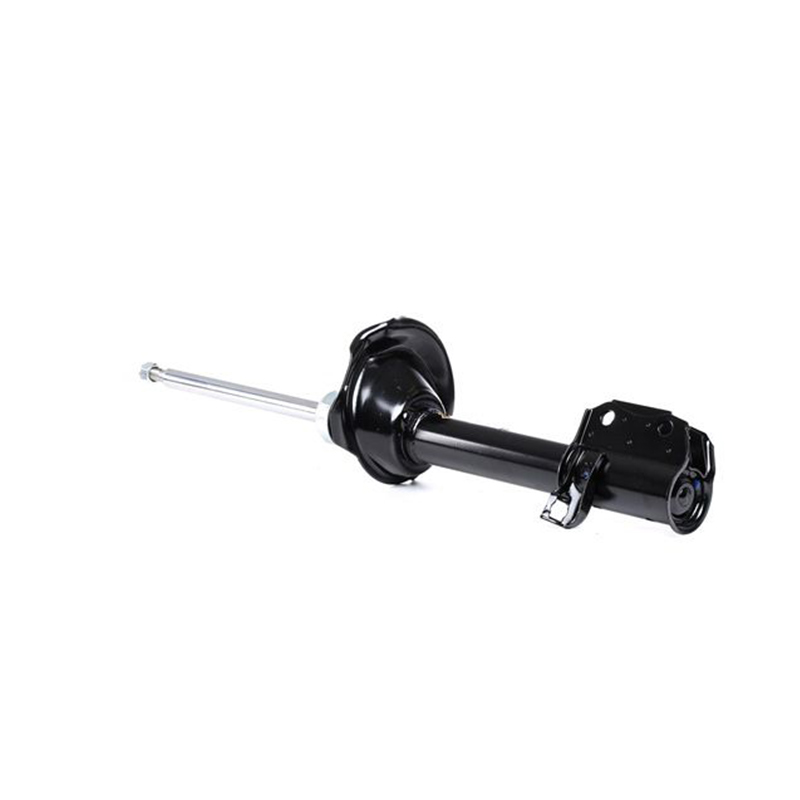
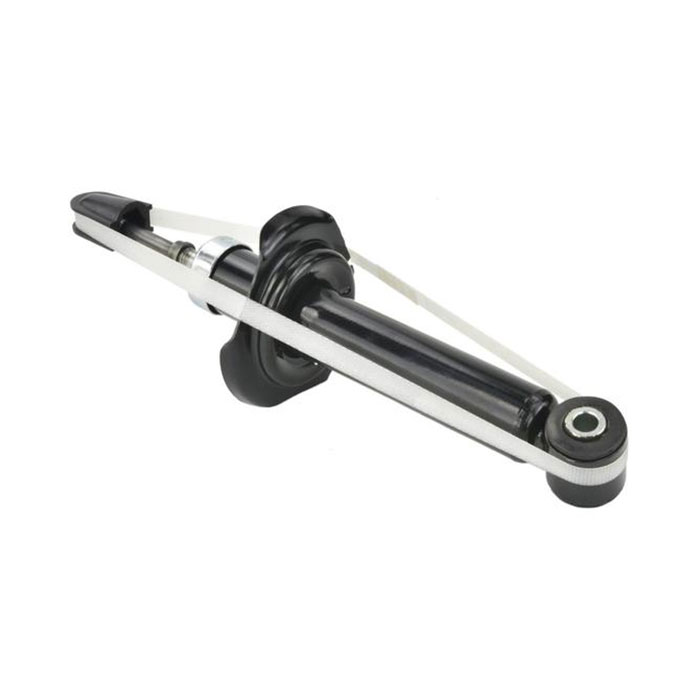
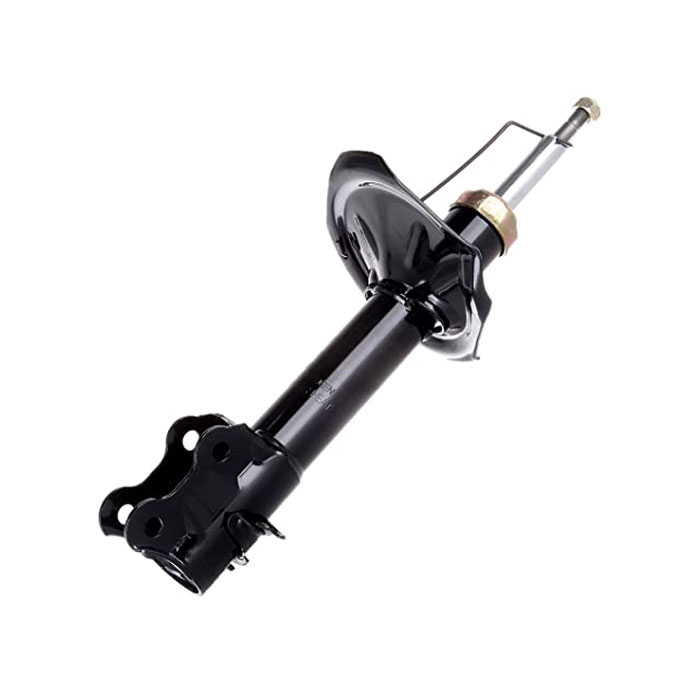
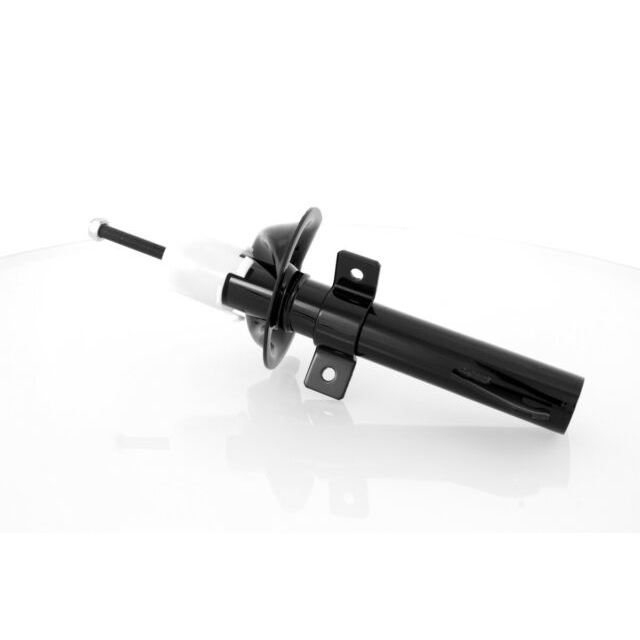
Heavy-duty truck shock absorbers typically consist of a cylinder, piston, piston rod, seals, and damping fluid. Their design must balance high strength, wear resistance, and corrosion resistance to withstand prolonged heavy loads and varying road conditions. Compared to standard commercial vehicle shock absorbers, heavy-duty versions generally feature larger cylinder diameters and piston areas to provide higher damping force.
Modern shock absorbers use single-tube or twin-tube hydraulic designs. Single-tube designs offer better heat dissipation due to higher fluid volume, suitable for long-distance transport. Twin-tube designs provide advantages in durability and cost efficiency. Optimized piston orifice and oil channel design are critical in determining performance. Adjusting fluid flow paths allows for damping optimization at different speeds, ensuring comfort at low speeds and stability under high speeds or heavy loads.
Materials and Durability
The durability of heavy duty truck shock absorbers depends on material selection and surface treatment. Piston rods are often made of high-strength steel with chrome plating or nitriding to enhance wear and corrosion resistance. Cylinder materials require high compressive strength and thermal compatibility with the fluid to prevent leakage or deformation under heavy use.
Seals play a critical role. High-quality seals maintain effective sealing under high temperature, high pressure, and dusty conditions, extending shock absorber life. Some advanced models use composite seals for enhanced heat and wear resistance.
Common Component Materials and Characteristics
| Component | Material | Features |
| Piston Rod | High-strength steel / Chrome steel | High wear resistance, corrosion-resistant |
| Cylinder | Steel or Aluminum Alloy | High compressive strength, good heat dissipation |
| Seals | Polyurethane / Composite | High temperature and wear resistance, preventing oil leakage |
| Damping Fluid | High-viscosity hydraulic oil | Stable under high temperature, low compressibility |
Performance Parameters and Selection Considerations
Choosing heavy-duty truck shock absorbers requires matching vehicle type, load range, and operating environment. The damping force curve is a key indicator of performance. A good shock absorber provides linear and stable damping across different speeds, maintaining optimal performance in various conditions.
Durability is also crucial. High-quality shock absorbers often feature multi-stage cushioning to gradually absorb energy during extreme impacts, preventing overload. Installation type, size compatibility, and rod-end design must fully match the vehicle suspension system to avoid performance loss or damage.
Installation and Maintenance Tips
Correct installation is critical to ensure optimal performance. The piston rod should be perpendicular to the suspension mounting point to prevent lateral misalignment, and fasteners must be torqued to recommended levels. Regular inspections of fluid leakage, rod-end wear, and damping performance help ensure long-term stability.
Maintenance intervals depend on operating conditions. Heavy load or harsh environments accelerate wear, requiring more frequent checks and replacements. Using OEM or certified shock absorbers reduces maintenance costs and extends service life.
Innovations in Heavy-Duty Shock Absorbers
Modern designs continue to improve in materials, damping control, and seal technology. Some high-end models feature adjustable damping or gas-hydraulic hybrid designs, maintaining load capacity while improving ride comfort. These innovations significantly enhance handling and safety under long-distance and rough road conditions.
FAQ: Common Questions About Heavy Duty Truck Shock Absorbers
Q1: How can I tell if a shock absorber needs replacement?
A1: Look for abnormal vibration, oil leakage, increased body sway, or unusual noise. Regular inspection of rod ends and cylinders is essential.
Q2: What is the difference between heavy-duty and standard truck shock absorbers?
A2: Heavy-duty models differ in damping force, durability, material strength, and structural design to handle higher loads and rougher roads.
Q3: Is a higher damping force always better?
A3: Not necessarily. Excessive damping reduces ride comfort. Selection should balance damping and comfort according to load, road, and driving conditions.
Q4: What are the risks of using low-quality shock absorbers?
A4: Increased suspension wear, greater body roll, compromised cargo safety, and reduced overall vehicle lifespan.
Heavy-duty truck shock absorbers are crucial suspension components. Their performance directly impacts driving safety, comfort, and vehicle durability. From design and materials to installation and maintenance, each step must be precise. Proper selection and upkeep ensure shock absorbers achieve their full potential, providing reliable support for long-distance transport.
Latest News
-
Bypass Shocks: Internal vs External Explained for Truck and SUV Owners
When your vehicle’s suspension starts feeling floaty or bottoms out over bumps, the term “bypass sh...2026-09-17
-
4x4 Shock Absorbers: Choosing, Replacing, and Upgrading for Off-Road SUVs
Your 4x4 feels unsettled on gravel, the rear end sways after a bump, and the tyres are wearing fast...2026-09-11
-
Shock Absorber Replacement Cost: Average Prices and Expert Labor Guide
Your service advisor hands you an estimate for replacing two rear shock absorbers: $680 for parts, ...2026-09-04
-
Struts vs Shocks vs Springs: Suspension Parts Explained for Car Owners
Your suspension starts making noise, and the shop says you need a new strut. You ask whether that i...2026-08-28
-
Shocks vs Struts: What's the Difference and How to Choose the Right Suspension Part
When one repair shop says your car needs a strut and another says it needs a shock absorber, the tw...2026-08-21
-
Coilovers vs Struts: Key Differences, Ride Quality, and How to Choose the Right Setup
The Short Answer Standing in front of two suspension parts that look almost identical, it is easy t...2026-08-14
Quick Links
Contact Us
-
 +86-13757453333
 -
 +86-572-8355557
 -
 Caroline@gerep.cn
 -
 No. 36, South Zhenxing Rd., Zhongguan Town, Deqing County, Huzhou, Zhejiang, China
Please Enter Your Information
Copyright © Gerep Automotive Parts Mfg Co., Ltd. All Rights Reserved.
Custom Variable Durable Shock Absorbers Manufacturers
