 EN
EN  English
 Español

News

How Long Do Automotive Shock Absorbers Normally Last?
 2026.04.15
 Industry News
Automotive shock absorbers are indispensable safety and comfort components of vehicle suspension systems, whose core function is to suppress the vibration generated by the elastic elements after being impacted by the road surface, absorb the kinetic energy of wheel bounce, and maintain stable contact between the tires and the road surface. 90% of vehicle handling stability and riding comfort are directly affected by the working state of shock absorbers; damaged or failed shock absorbers will lead to prolonged braking distance, reduced steering precision, accelerated tire wear, and even cause vehicle control failure under extreme working conditions. All types of motor vehicles, from passenger cars to commercial vehicles, rely on high-performance shock absorbers to balance driving safety, stability, and comfort, which is the core guarantee for daily driving and extreme condition adaptation.
Unlike suspension springs that only absorb impact energy, shock absorbers are responsible for rapidly converting mechanical vibration energy into heat energy and dissipating it into the air, eliminating repeated vibrations of the vehicle body. This working mechanism determines that they are not vulnerable consumables, but durable components with a normal service life of 80,000 to 100,000 kilometers. Regular inspection and timely replacement of faulty shock absorbers can effectively extend the service life of other suspension parts, reduce vehicle maintenance costs, and maximize driving safety.
Working Principles of Automotive Shock Absorbers
To understand the value of automotive shock absorbers, it is necessary to clarify their internal working principles and energy conversion mechanisms. All mainstream shock absorbers on the market adopt the hydraulic damping principle, which realizes the damping effect through the flow of fluid in a closed cylinder and the throttling effect of the valve system.
Basic Structural Composition
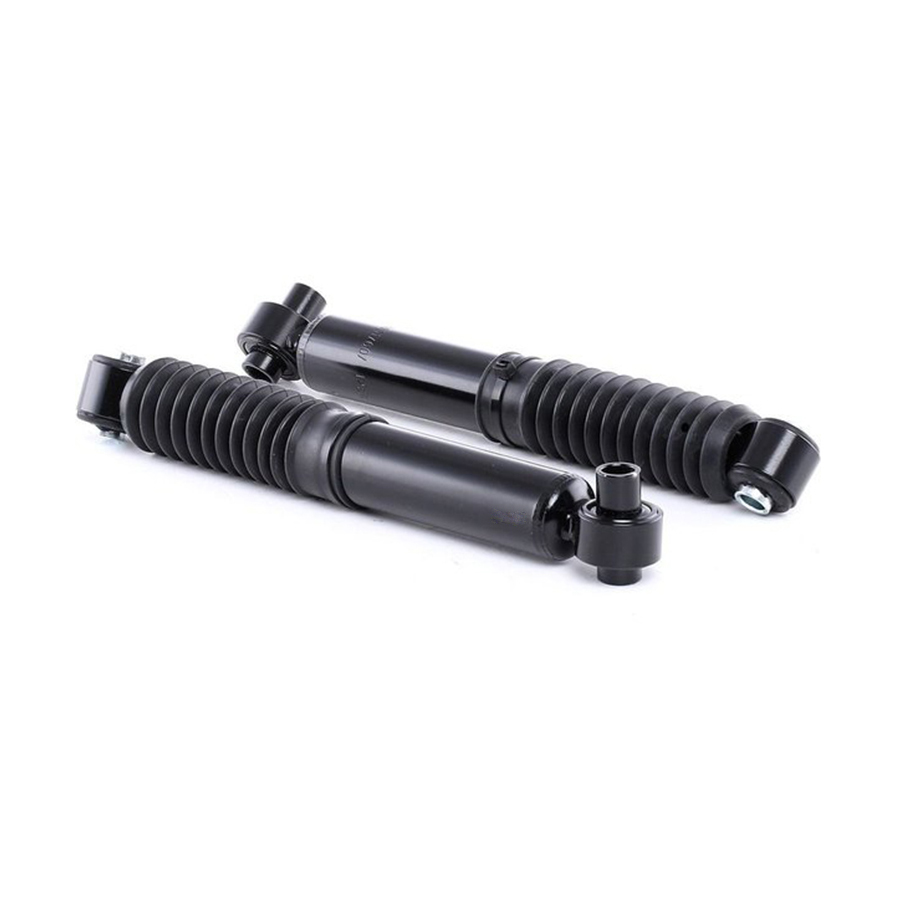
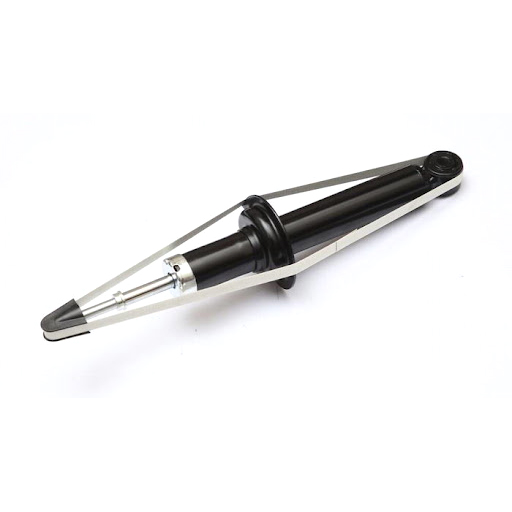
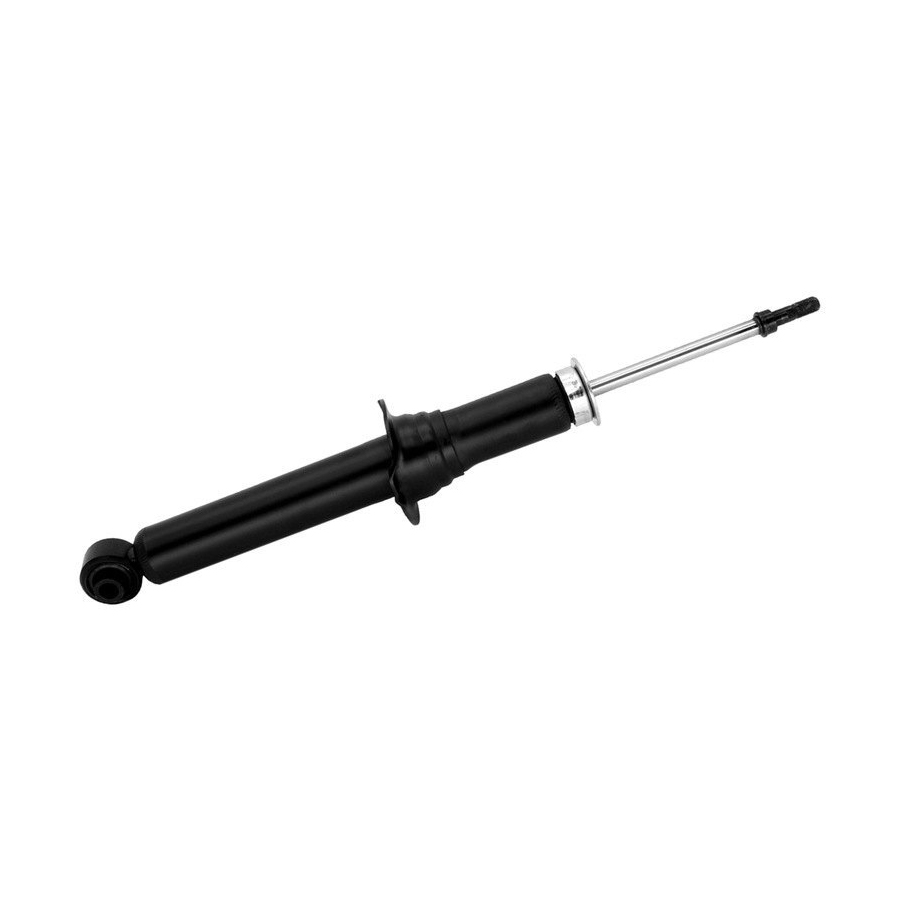
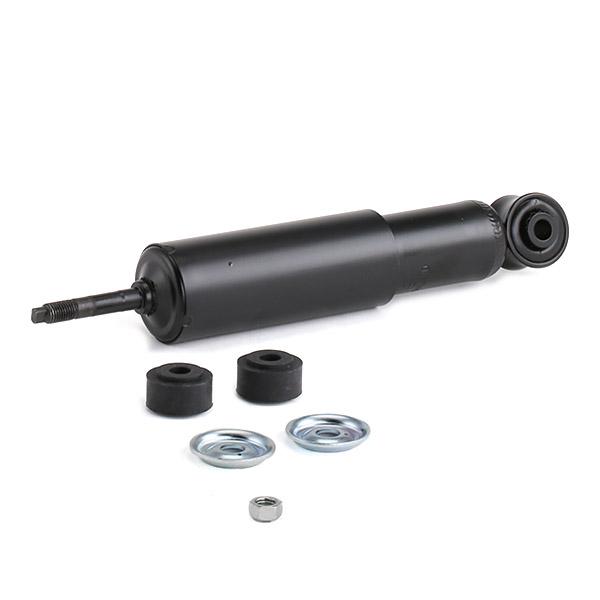
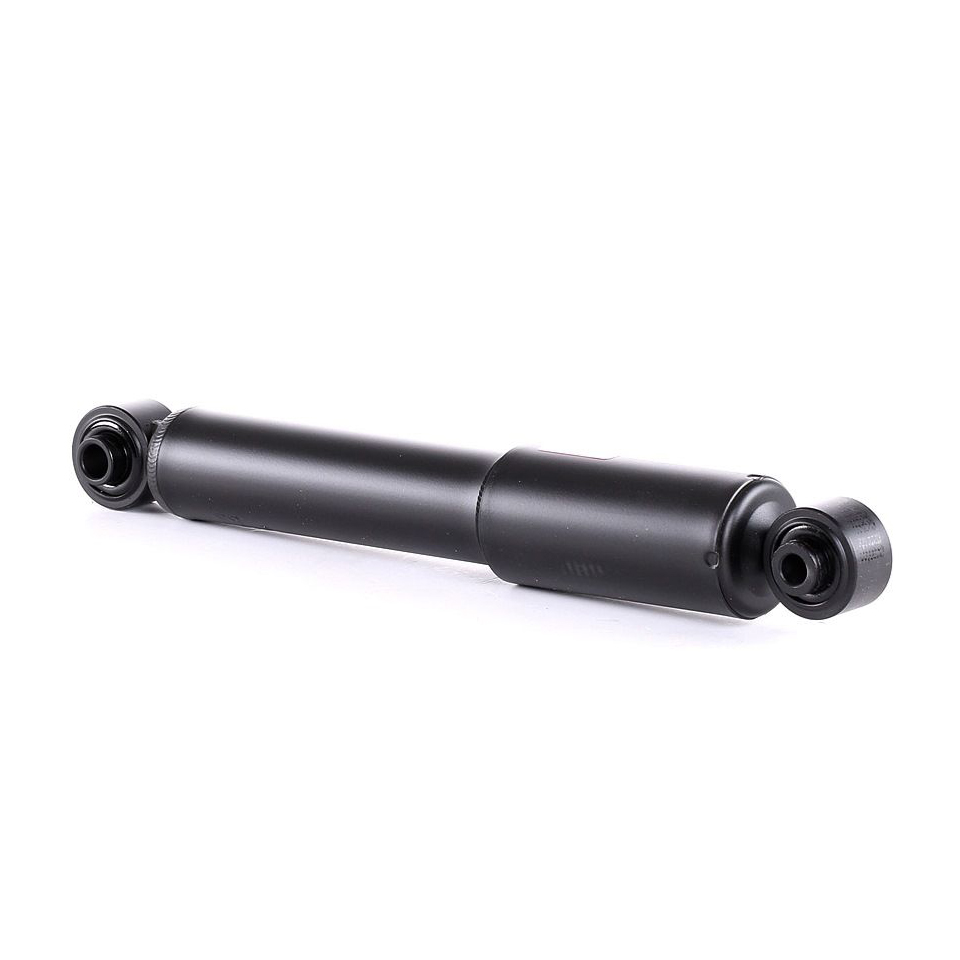
The standard automotive shock absorber consists of five core parts: a sealed cylinder filled with hydraulic oil, a piston with a damping valve, a piston rod connected to the vehicle body, a recovery valve, and a compression valve that control fluid flow, and a dust cover that protects the piston rod. This compact structure ensures that the shock absorber can work stably in complex road conditions and temperature environments.
Compression and Extension Working Cycles
When the vehicle passes through a bumpy road, the wheel moves upward, and the shock absorber enters the compression stroke: the piston moves downward, the hydraulic oil pushes the compression valve open and flows to the upper chamber of the cylinder, and the throttling effect of the valve generates a damping force to slow down the wheel speed. When the wheel rebounds downward, the shock absorber enters the extension stroke, which is the main working stage of the shock absorber: the piston moves upward, the hydraulic oil pushes the recovery valve open and flows back to the lower chamber, and the damping force generated at this time is 3 to 5 times that of the compression stroke, which can quickly eliminate the vibration of the vehicle body.
The difference in damping force between the two strokes is the core design of the shock absorber. The smaller compression damping force ensures that the tire can quickly fit the road surface, while the larger extension damping force ensures the rapid attenuation of vibration, which not only guarantees comfort but also takes into account driving stability.
Energy Conversion Mechanism
The entire working process of the shock absorber is a process of energy conversion: the mechanical vibration energy generated by the road surface impact is converted into heat energy through the friction between the hydraulic oil and the valve system and the internal friction of the fluid, and then dissipated through the cylinder wall into the surrounding air. Under continuous bumpy road conditions, the surface temperature of the shock absorber can rise to 80 to 100 degrees Celsius, which is a normal manifestation of its normal operation.
Classification and Application Scenarios of Automotive Shock Absorbers
Automotive shock absorbers are divided into multiple categories according to structural design, damping adjustment methods and application scenarios, and different types have obvious differences in performance and adaptation scenarios. Choosing the right shock absorber type can maximize the performance of the vehicle.
Classification by Structural Form
- Twin-tube shock absorbers: The most widely used structure, with an inner cylinder for working and an outer cylinder for oil storage, simple structure, low cost, and strong adaptability, suitable for most family passenger cars.
- Monotube shock absorbers: Single-cylinder design, built-in floating piston to separate oil and gas, fast response, good heat dissipation, suitable for sports cars and off-road vehicles with high performance requirements.
- Strut-type shock absorbers: Integrated with the suspension strut, compact structure, small space occupation, widely used in the front suspension of cars.
Classification by Damping Adjustment Mode
Passive shock absorbers are the most common type, with fixed damping parameters and no adjustment function, which meet the basic needs of daily driving; semi-active shock absorbers can automatically adjust damping force according to road conditions and driving state, improving comfort by 40% compared with passive type, and are equipped in medium and high-end vehicles; active shock absorbers adopt electronic control and hydraulic system integration, which can realize real-time optimal damping adjustment, and are used in luxury cars and high-performance sports cars.
Classification by Application Vehicle Type
| Vehicle Type | Shock Absorber Features | Core Requirements |
|---|---|---|
| Passenger Cars | Moderate damping, balanced comfort | Daily driving comfort |
| Commercial Vehicles | High load-bearing, large damping | Load capacity and durability |
| Off-road Vehicles | Adjustable damping, high strength | Complex road adaptability |
The Impact of Shock Absorbers on Vehicle Performance
The working state of automotive shock absorbers directly affects multiple core performance indicators of the vehicle, involving safety, comfort, handling and service life, which is a component that cannot be ignored in vehicle design and use.
Impact on Driving Safety
The most critical safety role of the shock absorber is to maintain the adhesion between the tire and the road surface. When the shock absorber fails, the tire cannot fit the road surface stably, resulting in a significant reduction in braking efficiency. Test data shows that vehicles with completely failed shock absorbers have a 20% to 30% longer braking distance at 60km/h than normal vehicles, which greatly increases the risk of rear-end collisions. In addition, faulty shock absorbers will lead to vehicle roll and sideslip during cornering, reducing steering precision and making it easy to lose control under high-speed working conditions.
Impact on Riding Comfort
Comfort is the most intuitive experience brought by the shock absorber to drivers and passengers. High-quality shock absorbers can filter out more than 85% of the micro-vibration generated by the road surface, eliminate the shaking and bouncing of the vehicle body, and keep the interior of the car stable. If the shock absorber is worn, the vehicle will continue to vibrate after passing through a small bump, and the driver and passengers will feel obvious fatigue, which greatly reduces the driving experience.
Impact on Component Service Life
Damaged shock absorbers will transfer unfiltered vibration to other suspension components, leading to accelerated wear of connecting rods, bushings, bearings and other parts. At the same time, the continuous bouncing of the tire will cause uneven wear on both sides of the tire, and the service life of the tire will be shortened by more than half. In addition, the vibration will also affect the fastening state of the vehicle chassis parts, increasing the probability of loose bolts and abnormal noise.
Impact on Vehicle Handling Stability
For vehicles with good handling, the shock absorber plays a vital role in suppressing body roll and pitch. During acceleration and deceleration, the shock absorber can reduce the nose dive and rear lift of the vehicle; during cornering, it can suppress the body roll angle to within a safe range of 3 to 5 degrees, ensuring that the vehicle maintains a stable attitude and the driver can accurately control the vehicle's trajectory.
Common Faults and Diagnosis Methods of Automotive Shock Absorbers
After long-term use, automotive shock absorbers will have oil leakage, wear, valve failure, and other faults. Timely diagnosis of faults and replacement of damaged parts can avoid potential safety hazards. The following are the most common fault types and simple and effective diagnosis methods.
Oil Leakage Failure
Oil leakage is the most common fault of shock absorbers, accounting for more than 70% of shock absorber faults. The main reason is the aging and damage of the piston rod oil seal, resulting in hydraulic oil leakage. The diagnosis method is very simple: observe the surface of the shock absorber cylinder, if there is oil stain or oil hanging, it means that the oil seal is invalid and the shock absorber needs to be replaced immediately. A small amount of oil seepage is a normal phenomenon, but a large amount of oil leakage will lead to the complete failure of the damping force.
Damping Force Attenuation
Damping attenuation is a recessive fault, which is difficult to observe with the naked eye. The typical manifestation is that the vehicle bounces repeatedly after passing through a bumpy road and cannot return to stability quickly. The professional diagnosis method is the rebound test: press the corner of the vehicle body hard and release it quickly. If the vehicle body rebounds more than 2 times and cannot stop, it means that the damping force of the shock absorber is seriously attenuated.
Abnormal Noise and Mechanical Damage
When the vehicle is driving on a bumpy road, there is a knocking or rubbing sound from the chassis, which is mostly caused by damage of the shock absorber's internal valve, the fracture of the piston rod or the loose connecting bracket. In addition, bending of the piston rod caused by impact will also lead to abnormal noise and a stuck shock absorber, which must be replaced immediately to avoid safety accidents.
Quick Fault Diagnosis Steps
- Visual inspection: Check whether the shock absorber has oil leakage, deformation and damage.
- Rebound test: Press the vehicle body to test the vibration attenuation speed.
- Road test: Drive on a bumpy road to check for abnormal noise and body stability.
- Tire inspection: Check whether there is uneven wear caused by shock absorber failure.
Maintenance and Replacement Standards for Automotive Shock Absorbers
Correct maintenance can extend the service life of automotive shock absorbers, and following scientific replacement standards can ensure that the vehicle always maintains the best performance. Unlike other consumables, shock absorbers do not need regular replacement, but need to be judged according to service life and working state.
Daily Maintenance Tips
The daily maintenance of shock absorbers is simple and easy to operate. First, regularly clean the dust and dirt on the surface of the shock absorber and dust cover to prevent abrasive particles from wearing the piston rod; second, avoid overloading the vehicle for a long time, exceeding the rated load by 30% will accelerate the fatigue damage of the shock absorber; third, avoid violent impact on the chassis when driving on bad roads, so as not to cause bending of the piston rod and cylinder deformation; finally, check the fastening state of the shock absorber connecting bolts during routine vehicle maintenance to prevent looseness.
Formal Replacement Standards
The industry's unified replacement standard for shock absorbers is: replace in pairs when the service life reaches 80,000 to 100,000 kilometers, even if one side is normal, it must be replaced together with the coaxial side. This is because the damping force of the new and old shock absorbers is inconsistent, and separate replacement will lead to unbalanced left and right stress of the vehicle, affecting handling stability and safety. In addition, if any fault such as oil leakage, damping attenuation, abnormal noise and deformation is found during inspection, it should be replaced immediately without considering the mileage.
Installation and Debugging Requirements
The installation quality of the shock absorber directly affects its performance. During installation, the piston rod must be kept vertical to avoid bending; the connecting bushings must be installed in place to prevent abnormal noise caused by friction; after installation, the vehicle chassis bolts must be tightened according to the specified torque, and a road test must be carried out to check whether the vibration suppression effect is normal. After replacement, it is recommended to perform a wheel alignment to avoid tire deviation and uneven wear.
Long-term Storage Protection
For vehicles that need to be parked for a long time, the shock absorber should be protected in advance: clean the surface, apply anti-rust oil on the piston rod, and support the vehicle body to keep the shock absorber in a natural state, avoiding long-term compression leading to internal structural fatigue and elastic failure. After the vehicle is restarted, test the performance of the shock absorber first to ensure that it can work normally.
Development Trends of Automotive Shock Absorber Technology
With the development of automotive intelligence and electrification, the technology of automotive shock absorbers is also constantly innovating, moving towards the direction of intelligence, lightweight, high efficiency and integration, adapting to the performance needs of new energy vehicles and intelligent driving vehicles.
Intelligent Electronic Control Technology
The future mainstream development direction of shock absorbers is electronically controlled adjustable damping, which realizes real-time adjustment of damping force through sensors and vehicle control units. The intelligent shock absorber can collect road conditions, vehicle speed, steering angle, and other data in milliseconds, and automatically switch between comfort mode and sports mode. The response speed is less than 10 milliseconds, which can adapt to all complex road conditions and maximize the balance of comfort and handling.
Lightweight and Energy-saving Design
For new energy vehicles, lightweight is the core demand. The new generation of shock absorbers adopts aluminum alloy cylinders and hollow piston rods, reducing the weight by 25% to 30% compared with traditional steel structures, which helps to reduce the overall vehicle weight and extend the cruising range. At the same time, the low-friction internal structure reduces energy loss and improves the energy efficiency of the vehicle.
Regenerative Vibration Energy Technology
The innovative technology applied in new energy vehicles converts the vibration energy absorbed by the shock absorber into electrical energy and stores it in the vehicle battery, realizing energy recycling. This technology can recover 5% to 10% of the vehicle's driving energy, further improving the energy utilization rate of new energy vehicles, which is a breakthrough in shock absorber functionality.
Integration and Modular Design
The integrated shock absorber combines springs, buffers, and sensors into a modular component, which simplifies the suspension structure, reduces installation space, and improves the overall reliability and maintenance convenience. This design has been widely used in electric passenger cars and will become the standard configuration of future automotive suspension systems.
Summary of Key Points for Automotive Shock Absorber Use
As a core component affecting vehicle safety and comfort, automotive shock absorbers require users to pay attention to their working status during daily use. The following key points can help you better use and maintain shock absorbers:
- Shock absorbers are safety components, and any fault will affect driving safety and must be taken seriously.
- Replacement must follow the principle of coaxial pair replacement to ensure the balance of left and right damping force.
- Regular inspection can find recessive faults in advance, avoiding the impact of component damage on other parts.
- Intelligent and lightweight are the future development trends, and new technologies will further improve vehicle performance.
Whether it is a traditional fuel vehicle or a new energy vehicle, the automotive shock absorber is always an indispensable part of the suspension system. Understanding its working principle, mastering fault diagnosis methods, and doing daily maintenance work can not only ensure driving safety and comfort but also extend the service life of the vehicle and reduce the cost of use. With the continuous progress of automotive technology, shock absorbers will also develop towards higher performance and intelligence, bringing a better driving experience to drivers and passengers.
Latest News
-
Bypass Shocks: Internal vs External Explained for Truck and SUV Owners
When your vehicle’s suspension starts feeling floaty or bottoms out over bumps, the term “bypass sh...2026-09-17
-
4x4 Shock Absorbers: Choosing, Replacing, and Upgrading for Off-Road SUVs
Your 4x4 feels unsettled on gravel, the rear end sways after a bump, and the tyres are wearing fast...2026-09-11
-
Shock Absorber Replacement Cost: Average Prices and Expert Labor Guide
Your service advisor hands you an estimate for replacing two rear shock absorbers: $680 for parts, ...2026-09-04
-
Struts vs Shocks vs Springs: Suspension Parts Explained for Car Owners
Your suspension starts making noise, and the shop says you need a new strut. You ask whether that i...2026-08-28
-
Shocks vs Struts: What's the Difference and How to Choose the Right Suspension Part
When one repair shop says your car needs a strut and another says it needs a shock absorber, the tw...2026-08-21
-
Coilovers vs Struts: Key Differences, Ride Quality, and How to Choose the Right Setup
The Short Answer Standing in front of two suspension parts that look almost identical, it is easy t...2026-08-14
Quick Links
Contact Us
-
 +86-13757453333
 -
 +86-572-8355557
 -
 Caroline@gerep.cn
 -
 No. 36, South Zhenxing Rd., Zhongguan Town, Deqing County, Huzhou, Zhejiang, China
Please Enter Your Information
Copyright © Gerep Automotive Parts Mfg Co., Ltd. All Rights Reserved.
Custom Variable Durable Shock Absorbers Manufacturers
