 EN
EN  English
 Español

News

When Should You Replace Rear Shocks on a Passenger Car?
 2026.07.01
 Industry News
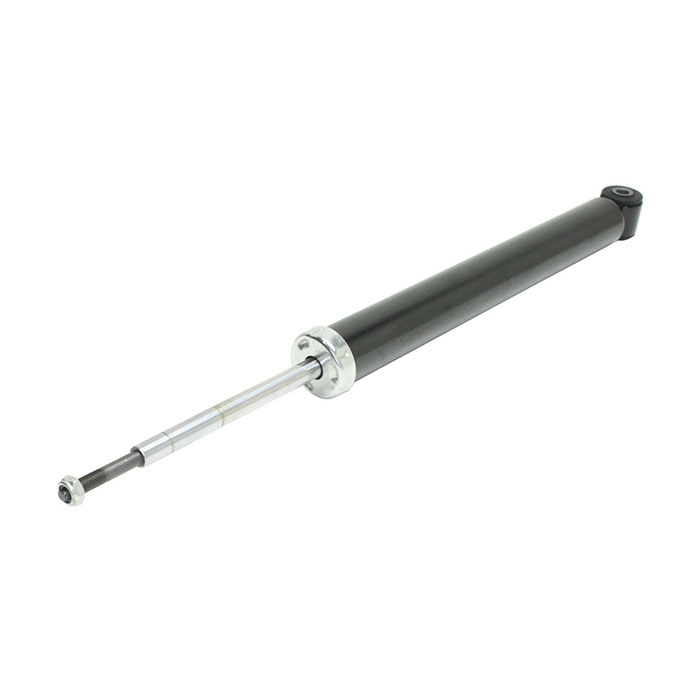
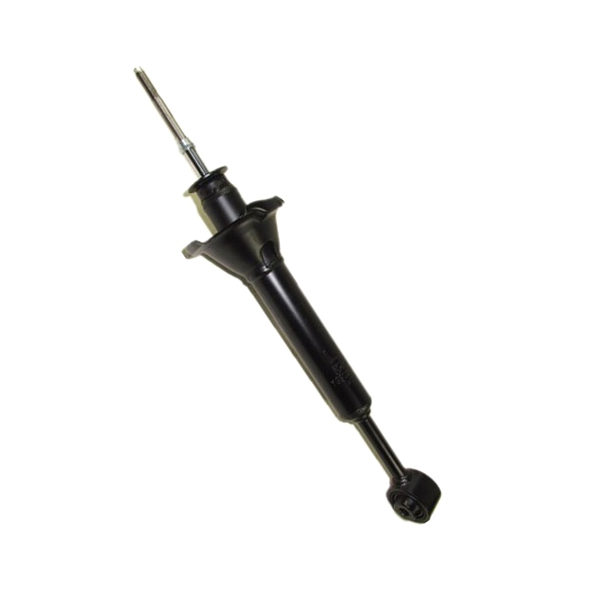
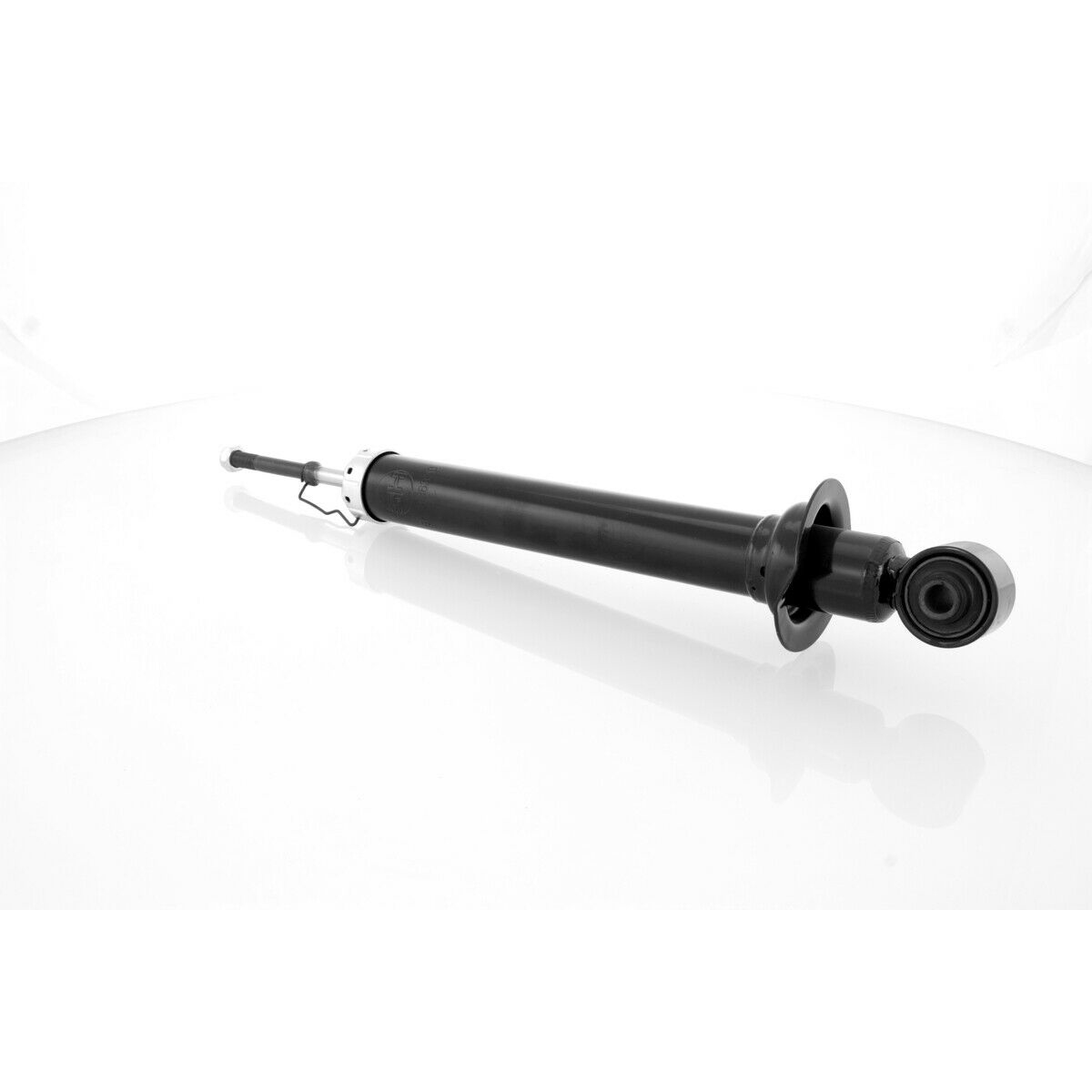
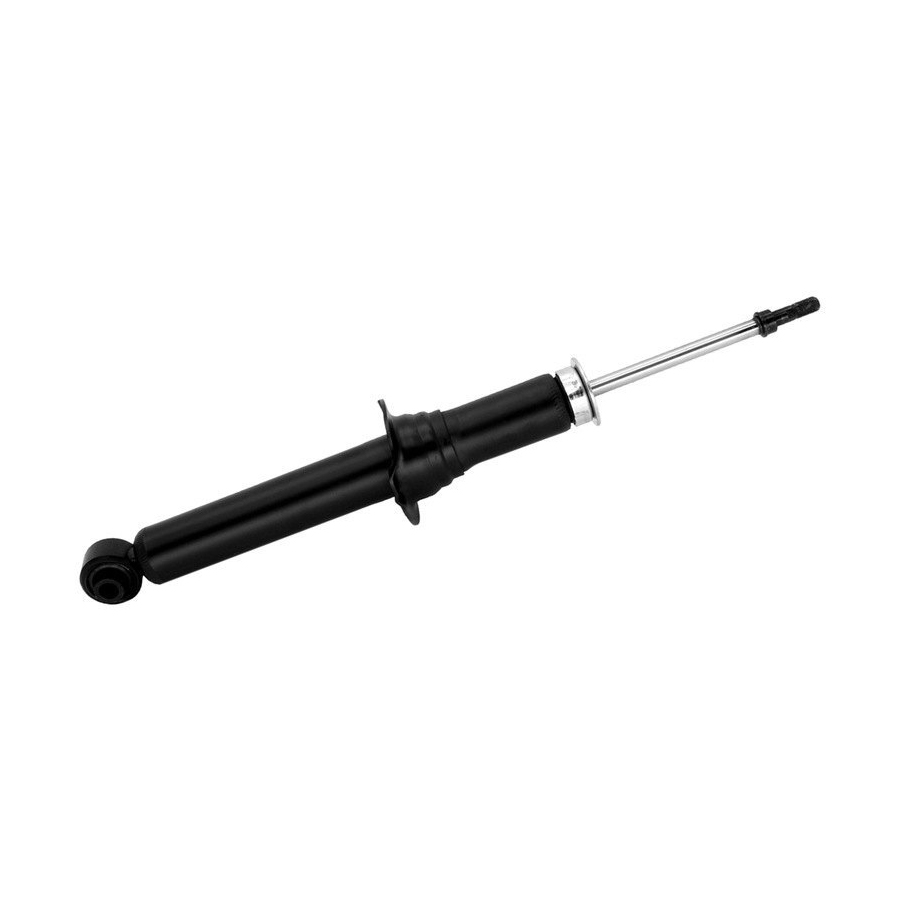
Passenger car rear shock absorbers are critical components that control spring oscillation, ensure consistent tire contact with the road, and maintain vehicle stability. They must be regularly inspected and replaced when worn to guarantee optimal handling, braking efficiency, and passenger comfort. Ignoring rear shock degradation directly compromises vehicle safety and increases wear on other suspension parts.
The Core Function of Rear Shock Absorbers
While springs support the weight of the vehicle, shock absorbers control the movement of those springs. Without rear shock absorbers, a passenger car would bounce continuously after hitting a bump. The primary role of these components is to convert the kinetic energy of the suspension movement into thermal energy, which is then dissipated through the hydraulic fluid inside the unit. This process ensures that the rear tires remain planted on the road surface during acceleration, braking, and cornering.
Maintaining this traction is essential for safe vehicle operation, especially in emergency maneuvers. The rear suspension handles a significant portion of the vehicle's weight during heavy braking due to weight transfer. High-quality, functioning rear shocks prevent the rear end from becoming unstable or lifting off the ground, keeping the vehicle balanced and responsive to steering inputs.
Recognizing the Symptoms of Worn Rear Shocks
Identifying when rear shock absorbers require attention is vital for preventative maintenance. Drivers may notice several distinct changes in vehicle behavior as these components degrade.
Changes in Ride Quality
One of the most immediate indicators is a noticeable decrease in ride comfort. The rear of the vehicle may feel overly bouncy or harsh over minor road imperfections. Passengers in the back seat might feel every crack and pothole more intensely, and the vehicle may take longer to settle after passing over a speed bump.
Vehicle Body Roll and Pitch
When rear shocks fail, the vehicle's body will exhibit excessive movement. This includes nose-diving during braking, squatting during rapid acceleration, and leaning heavily during cornering. Excessive body roll significantly increases stopping distances and reduces driver control. The vehicle may feel top-heavy or disconnected from the road surface.
Uneven Tire Wear Patterns
Worn shocks allow the tires to bounce microscopically while driving. This constant hopping creates uneven wear patches known as cupping or scalloping on the rear tires, drastically shortening tire lifespan. If you run your hand over the tire tread and feel high and low spots, the rear suspension is likely failing to keep the tire firmly planted.
Replacement Guidelines and Expected Lifespan
Determining the exact lifespan of a rear shock absorber is challenging because it heavily depends on driving habits, road conditions, and vehicle load. However, a general consensus in the automotive industry suggests that shock absorbers begin to lose their effectiveness after tens of thousands of miles of continuous use. Routine checks are necessary to determine their actual condition.
- Visual Inspection: Look for physical signs of damage, such as leaking hydraulic fluid along the shock body or damaged rubber bushings.
- Performance Testing: A simple bounce test can reveal internal wear. If the rear of the car continues to bounce after being pushed down and released, the shocks are likely worn.
- Pair Replacement: It is highly recommended to replace rear shock absorbers in pairs. Replacing only one side leads to an imbalance in suspension damping, causing unpredictable handling characteristics.
The Impact of Degraded Shocks on Overall Safety
The safety implications of ignoring worn rear shock absorbers extend far beyond a simple loss of comfort. The braking system relies heavily on the suspension to keep the tires firmly planted. If the rear shocks cannot control the vehicle's pitch during braking, the rear tires may lose traction, potentially causing the rear of the car to swing out under heavy braking.
Furthermore, the effectiveness of advanced safety systems, such as electronic stability control and anti-lock braking systems, is severely diminished when the suspension cannot maintain consistent tire contact with the pavement. Compromised rear shocks can increase braking distance by a significant margin on rough surfaces. In wet or slippery conditions, the inability of the suspension to manage weight transfer can lead to a complete loss of vehicle control.
| Symptom | Driving Condition | Potential Consequence |
|---|---|---|
| Excessive Bouncing | Driving over bumps | Loss of steering control and passenger discomfort |
| Nose Diving | Hard braking | Extended stopping distance and rear instability |
| Fluid Leaks | Visual inspection | Complete damping failure and accelerated component wear |
Standard Replacement vs. Performance Upgrades
When the time comes to replace rear shock absorbers, vehicle owners generally face two choices: standard original equipment equivalents or performance-oriented upgrades.
Standard Replacement
Standard replacements are designed to mimic the ride quality and handling characteristics of the original factory components. They are ideal for daily commuters who prioritize comfort and predictable, familiar handling dynamics. These components provide a balanced approach to everyday driving needs.
Performance Upgrades
Performance shocks offer firmer damping rates, which reduce body roll and improve cornering agility. While they enhance handling, they often result in a stiffer ride. Upgraded options may feature twin-tube or mono-tube designs, with mono-tube units typically offering better heat dissipation and consistent performance during demanding driving scenarios. Adjustable variants allow drivers to fine-tune the suspension to suit specific driving conditions or track days.
Proactive Maintenance for Suspension Longevity
While shock absorbers are wear items, proactive driving habits can significantly extend their service life. Avoiding rough, unpaved roads when possible reduces the internal stress on the damping mechanisms. Additionally, keeping the vehicle free from excessive cargo loads prevents the rear suspension from operating beyond its designed capacity.
Regular visual inspections during routine maintenance checks allow mechanics to catch early signs of leakage or physical damage before they escalate into safety hazards. It is also important to inspect surrounding suspension components, such as control arm bushings and trailing links, as worn mounting hardware can prematurely destroy an otherwise healthy shock absorber. Proactive maintenance is the most effective strategy for preserving suspension integrity and ensuring passenger safety.
Latest News
-
Shocks vs Struts: What's the Difference and How to Choose the Right Suspension Part
When one repair shop says your car needs a strut and another says it needs a shock absorber, the tw...2026-08-21
-
Coilovers vs Struts: Key Differences, Ride Quality, and How to Choose the Right Setup
The Short Answer Standing in front of two suspension parts that look almost identical, it is easy t...2026-08-14
-
Comprehensive Guide to Shock Absorber Materials: Engineering Metallurgy, Polymers, and Advanced Selection Criteria
In modern automotive suspension design, damping characteristics are directly defined by material ...2026-08-06
-
Mastering Off-Road Dampers: Technology, Tuning, and Fitment Guide
An Engineering-Grade Blueprint from Trail Rig Setups to Race-Ready Performance 1. Understanding Of...2026-07-31
-
What makes a shock absorber suitable for desert driving?
Desert driving imposes extreme stress on a vehicle's suspension system, making specialized shock ab...2026-07-22
-
How do aftermarket car parts compare to OEM parts in quality?
Aftermarket automotive parts provide a highly customizable and cost-effective alternative to origin...2026-07-15
Quick Links
Contact Us
-
 +86-13757453333
 -
 +86-572-8355557
 -
 Caroline@gerep.cn
 -
 No. 36, South Zhenxing Rd., Zhongguan Town, Deqing County, Huzhou, Zhejiang, China
Please Enter Your Information
Copyright © Gerep Automotive Parts Mfg Co., Ltd. All Rights Reserved.
Custom Variable Durable Shock Absorbers Manufacturers
