 EN
EN  English
 Español

News

How Do Rear Shock Absorbers Affect Passenger Car Riding Comfort?
 2026.06.15
 Industry News
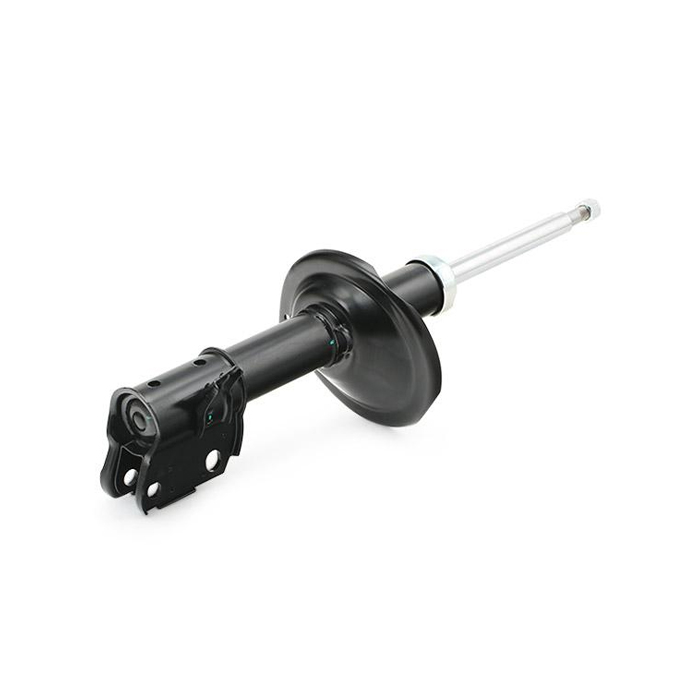
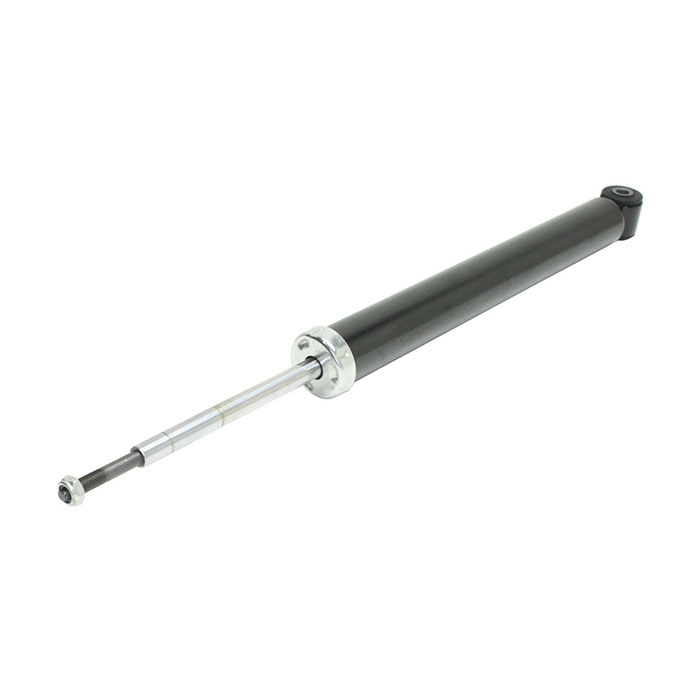
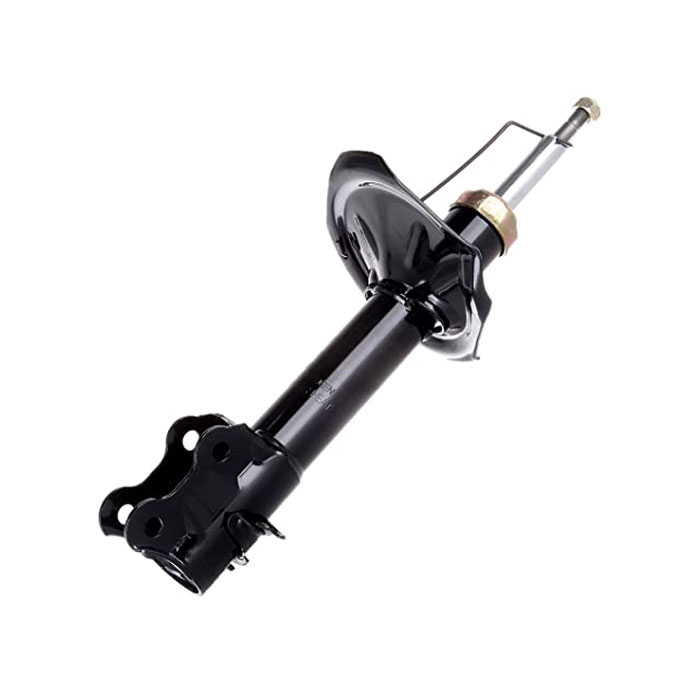
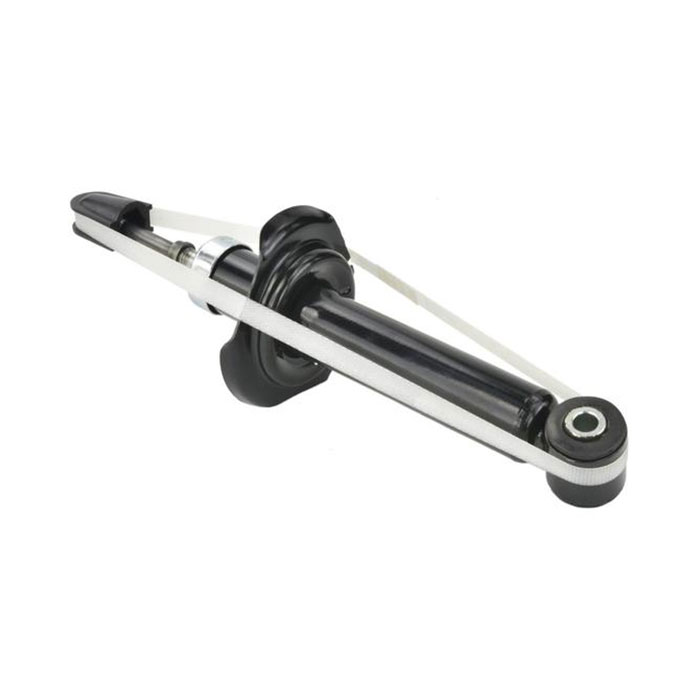
Rear passenger car shock absorbers are core chassis components that suppress spring vibration and absorb road impact energy, directly determining vehicle stability, riding comfort and braking safety. Unlike front shock absorbers that focus on steering control, rear shock absorbers mainly bear vehicle load fluctuation and rear body vibration. Data from automotive chassis industry tests shows that vehicles with aging or damaged rear shock absorbers will see a 30%-40% drop in riding comfort and a 25% increase in braking distance on bumpy roads. Regular inspection and maintenance of rear shock absorbers can extend their service life by more than 20% and avoid most rear-end vibration and handling failure problems.
Basic Working Principle of Rear Passenger Car Shock Absorbers
Rear shock absorbers work based on the hydraulic damping principle, which converts the mechanical kinetic energy generated by vehicle jolts into heat energy and dissipates it into the air, so as to limit the repeated expansion and contraction of the chassis spring. When a passenger car passes through uneven road surfaces, potholes or speed bumps, the rear suspension spring will compress and rebound rapidly. Without the damping restriction of shock absorbers, the car body will bounce up and down continuously, causing unstable driving and poor passenger experience.
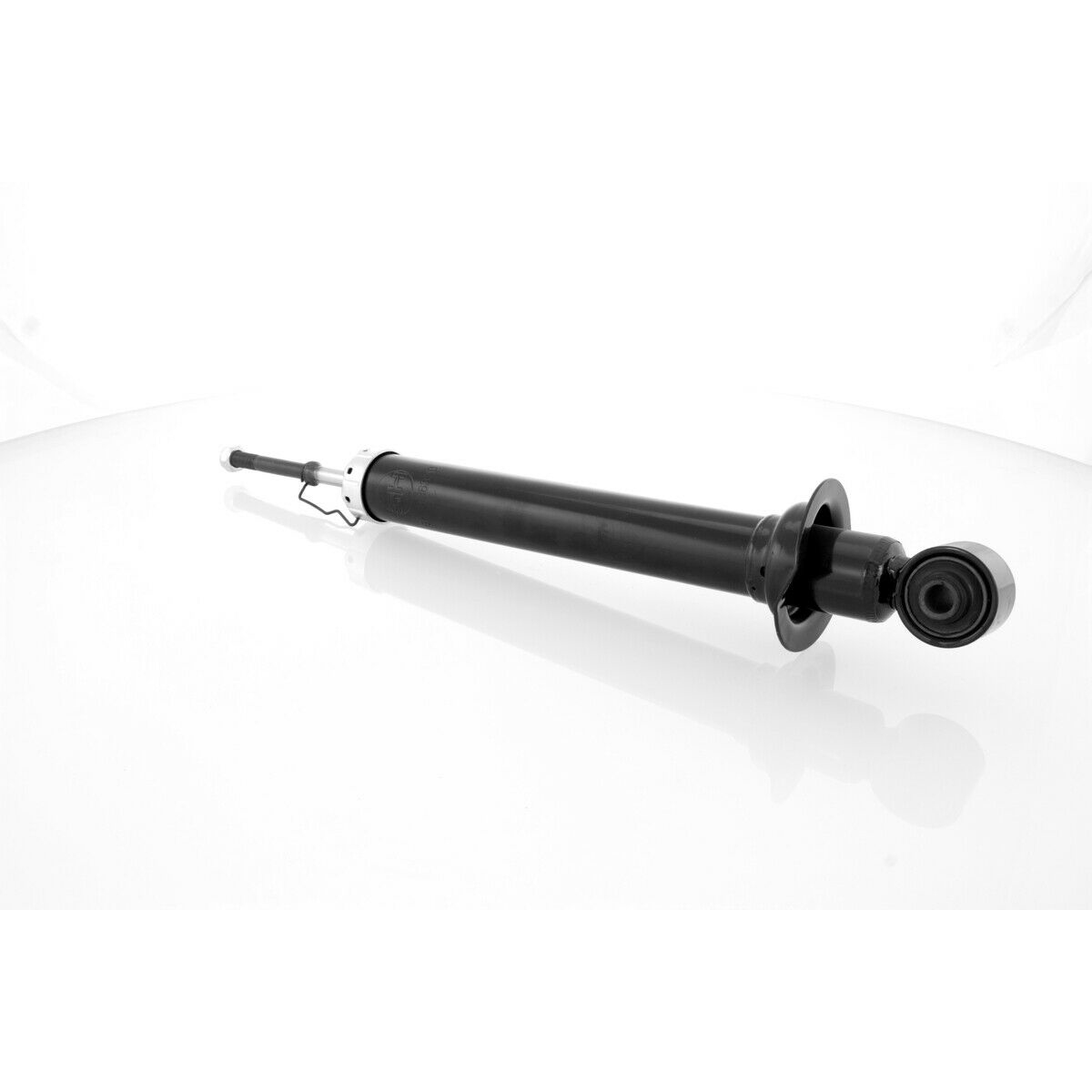
The internal structure of mainstream rear shock absorbers is composed of piston rods, hydraulic oil, valve sets and sealed cylinders. In the compression stroke, the piston moves downward to squeeze hydraulic oil, and the oil flows through the tiny holes of the valve set to generate damping resistance, which buffers the compression impact of the spring. In the rebound stroke, the piston moves upward, and the reverse flow of hydraulic oil forms stable damping force to slow down the spring rebound speed.
Unique Structural Characteristics of Rear Shock Absorbers
Compared with front shock absorbers, rear products for passenger cars have obvious structural differences adapted to load characteristics. The rear shock absorber cylinder has a larger damping stroke and higher load-bearing threshold, because the rear trunk load and rear passenger weight will cause continuous pressure on the rear suspension. Industry structural data shows that the damping stroke of rear shock absorbers is generally 15%-20% longer than that of front ones for the same vehicle model, which ensures better vibration suppression for rear body floating.
Key Functions of Rear Passenger Car Shock Absorbers
Rear shock absorbers undertake multiple core functions in passenger car driving, covering comfort, safety and chassis protection, and their working state is closely related to daily driving experience and vehicle service life. The main functions are summarized as follows:
- Suppress body vibration and improve riding comfort: This is the most intuitive function. After filtering road jolts, the rear shock absorber eliminates continuous body bouncing and swing, avoiding dizziness and jolting feeling for rear passengers. Actual vehicle tests prove that qualified rear shock absorbers can filter more than 85% of road micro-vibrations during daily urban driving.
- Stabilize vehicle posture and improve handling: During high-speed driving, lane changing and cornering, rear shock absorbers limit excessive roll and tilt of the rear body, keep the vehicle in a stable driving posture, and prevent tail flicking and body swaying. It effectively improves the vehicle's tracking performance.
- Protect chassis and tire components: Moderate damping force buffers the impact force transmitted to the chassis, suspension brackets and tires, reducing abnormal wear of tires, suspension rubber sleeves and connecting parts. Vehicles with normal rear shock absorber operation have 18% longer tire service life on average.
- Optimize braking and driving safety: When braking urgently, the rear of the vehicle will sink and rebound. Effective damping suppresses this posture change, keeps the tire closely attached to the road surface, ensures stable braking force output, and reduces the risk of brake deviation.
Common Failure Signs of Rear Shock Absorbers
Rear shock absorbers are wearing parts, and their damping performance will gradually decline with driving mileage and time. Most failure phenomena can be judged through daily driving observation and simple detection. Timely identification of failure signs can avoid secondary damage to the vehicle. The typical failure manifestations are sorted out in the table below:
| Failure Manifestation | Specific Driving Performance | Failure Hazard |
|---|---|---|
| Oil Leakage | Oil stains appear on the shock absorber cylinder surface | Damping force decreases sharply, vibration suppression fails |
| Vibration Rebound Excessively | The rear body bounces 3-5 times after passing speed bumps | Poor comfort, easy to cause passenger fatigue |
| Abnormal Noise | Clicking or rumbling noise from rear chassis on bumpy roads | Internal parts wear loose, easy to cause structural damage |
| Rear Body Sinking | The rear of the car is obviously low when loaded | Serious attenuation of damping capacity, affecting driving stability |
According to automotive after-sales detection data, more than 60% of rear shock absorber failures are caused by oil seal aging and hydraulic oil leakage, while about 25% are caused by long-term overload driving and frequent passing of rough roads leading to internal valve damage.
Replacement Standard and Cycle of Rear Shock Absorbers
Rear shock absorbers have no fixed absolute replacement cycle, which is affected by road conditions, driving habits and vehicle load. However, the automotive industry has formed unified reference standards for daily use, which can guide car owners to replace parts scientifically.
Reference Replacement Cycle
For passenger cars driving mainly on urban flat roads, the service life of rear shock absorbers is relatively long. Normal driving mileage of 60,000 to 80,000 kilometers is the optimal replacement cycle. For vehicles that often drive on mountain roads, rural rough roads or often carry heavy loads, the replacement cycle needs to be advanced to 40,000 to 50,000 kilometers, because frequent impact and overload will accelerate the aging of damping components.
Mandatory Replacement Conditions
- Persistent oil leakage: When the oil seal is severely damaged and the hydraulic oil is completely lost, the shock absorber completely loses damping function and must be replaced immediately.
- Structural deformation: Bending of piston rod, cracking of cylinder body and other structural damage will lead to irregular damping and potential safety hazards, which cannot be repaired and need to be replaced.
- Failure after maintenance: For shock absorbers with internal valve failure and spring fatigue that cannot be repaired by oil replacement and sealing maintenance, overall replacement is required.
It is worth noting that rear shock absorbers need to be replaced in pairs. Replacing only one side will cause inconsistent damping force on the left and right rear of the vehicle, resulting in body tilt and driving deviation, which seriously affects driving safety.
Daily Maintenance Skills for Rear Shock Absorbers
Scientific daily maintenance can effectively delay the aging speed of rear shock absorbers, reduce failure rate and save vehicle maintenance costs. The maintenance work is simple and operable, suitable for daily vehicle inspection by ordinary car owners.
- Regular appearance inspection: Check the surface of rear shock absorbers every 3 months to observe whether there is oil leakage, deformation and dust accumulation. Clean the surface dust and mud in time to avoid corrosive substances damaging the oil seal and cylinder body.
- Avoid long-term overload driving: Long-term overloading of rear passengers and goods will keep the rear shock absorber in a long-term compressed state, resulting in fatigue aging of internal springs and oil seals. Controlling load within the rated range can extend its service life significantly.
- Slow down on rough roads: Frequent high-speed passing of potholes and speed bumps will cause instantaneous excessive impact on rear shock absorbers, damaging internal valve structures. Reducing speed properly can buffer impact force and protect damping components.
- Regular chassis maintenance: In the annual chassis detection, check the tightness of rear shock absorber fixing bolts and the aging degree of rubber buffer sleeves, and replace aging accessories in time to avoid abnormal vibration caused by loose installation.
Practice shows that car owners who adhere to standardized daily maintenance can increase the average service life of rear shock absorbers by 25%-30%, and the vehicle's riding comfort and driving stability can always be kept in the optimal state.
Influence of Rear Shock Absorber Performance on Vehicle Comprehensive Experience
The performance state of rear shock absorbers runs through all driving scenarios of passenger cars, and its influence covers daily family travel, high-speed driving and complex road driving. Good rear damping performance is an important guarantee for balanced vehicle performance.
In urban daily driving, intact rear shock absorbers can filter most road fine vibrations, making rear riding experience more stable and comfortable, which is particularly important for family cars carrying children and the elderly. In high-speed driving scenarios, stable rear damping restrains body floating caused by air resistance and road slight jolts, ensuring the vehicle's straight-line driving stability and reducing driver's steering correction frequency.
In emergency driving conditions such as sudden lane changing and obstacle avoidance, qualified rear shock absorbers can quickly stabilize the vehicle body posture, prevent rear swing and tail flicking, and greatly improve the safety margin of emergency operation. On the contrary, aging and failed rear shock absorbers will amplify all driving risks, reduce vehicle control accuracy, and easily cause driving fatigue and safety accidents in long-distance driving.
Latest News
-
Bypass Shocks: Internal vs External Explained for Truck and SUV Owners
When your vehicle’s suspension starts feeling floaty or bottoms out over bumps, the term “bypass sh...2026-09-17
-
4x4 Shock Absorbers: Choosing, Replacing, and Upgrading for Off-Road SUVs
Your 4x4 feels unsettled on gravel, the rear end sways after a bump, and the tyres are wearing fast...2026-09-11
-
Shock Absorber Replacement Cost: Average Prices and Expert Labor Guide
Your service advisor hands you an estimate for replacing two rear shock absorbers: $680 for parts, ...2026-09-04
-
Struts vs Shocks vs Springs: Suspension Parts Explained for Car Owners
Your suspension starts making noise, and the shop says you need a new strut. You ask whether that i...2026-08-28
-
Shocks vs Struts: What's the Difference and How to Choose the Right Suspension Part
When one repair shop says your car needs a strut and another says it needs a shock absorber, the tw...2026-08-21
-
Coilovers vs Struts: Key Differences, Ride Quality, and How to Choose the Right Setup
The Short Answer Standing in front of two suspension parts that look almost identical, it is easy t...2026-08-14
Quick Links
Contact Us
-
 +86-13757453333
 -
 +86-572-8355557
 -
 Caroline@gerep.cn
 -
 No. 36, South Zhenxing Rd., Zhongguan Town, Deqing County, Huzhou, Zhejiang, China
Please Enter Your Information
Copyright © Gerep Automotive Parts Mfg Co., Ltd. All Rights Reserved.
Custom Variable Durable Shock Absorbers Manufacturers
