 EN
EN  English
 Español

News

How to maintain front off-road dampers for maximum durability?
 2026.06.22
 Industry News
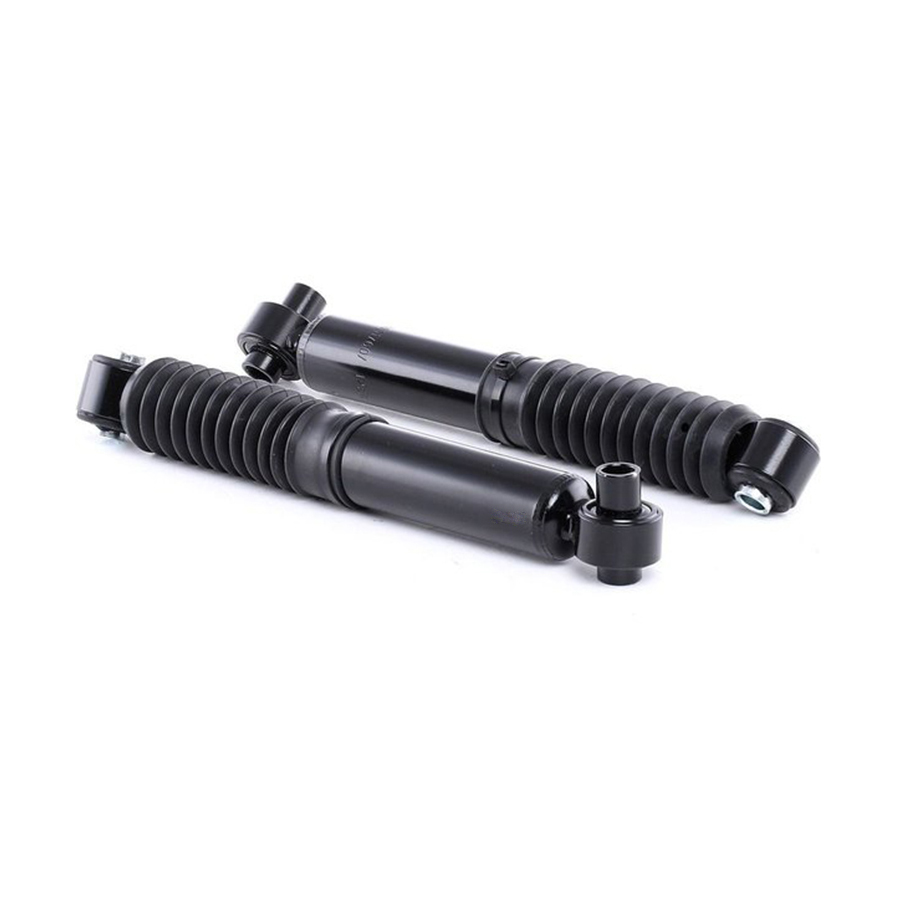
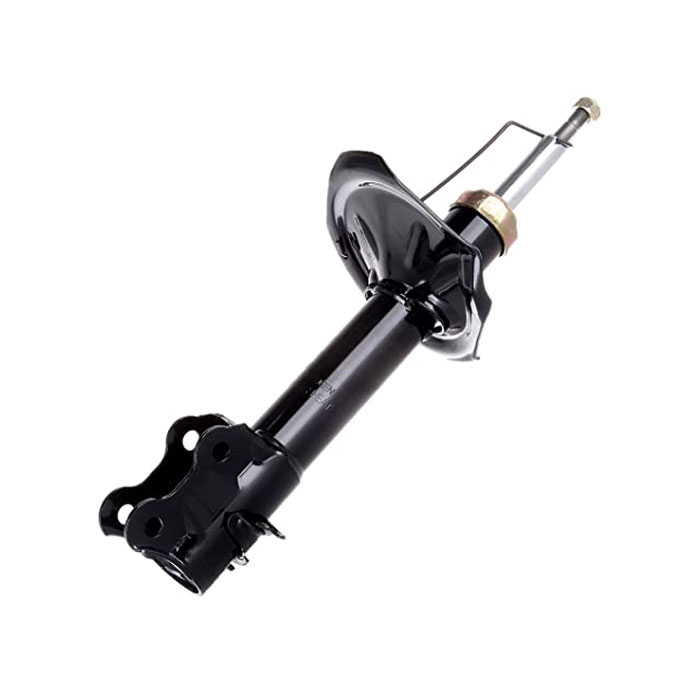
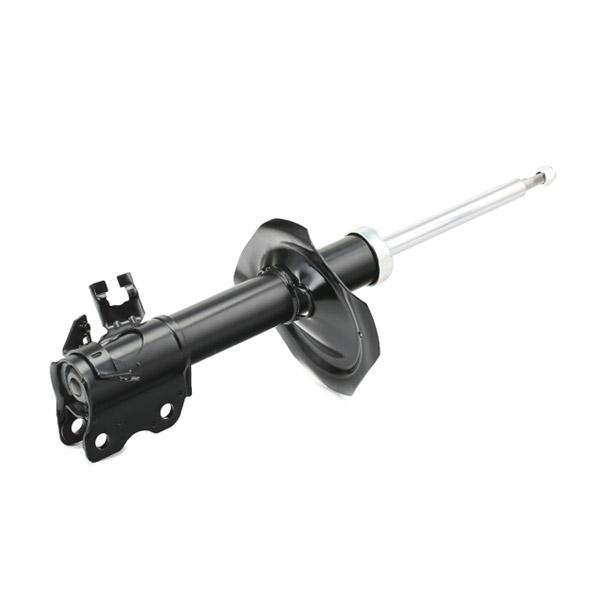
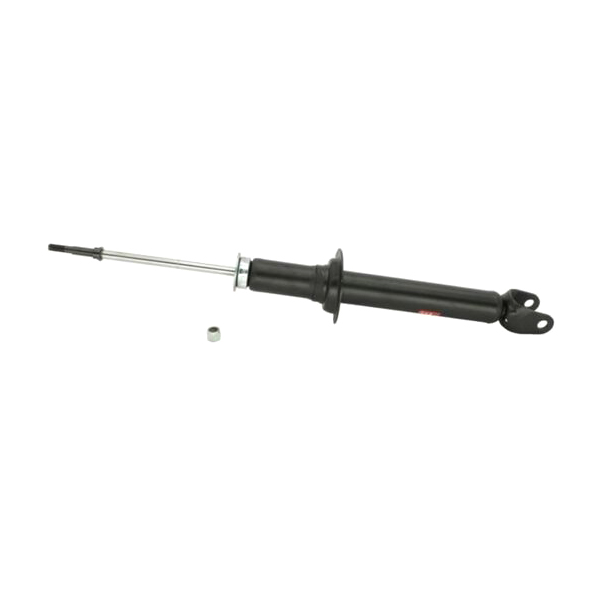
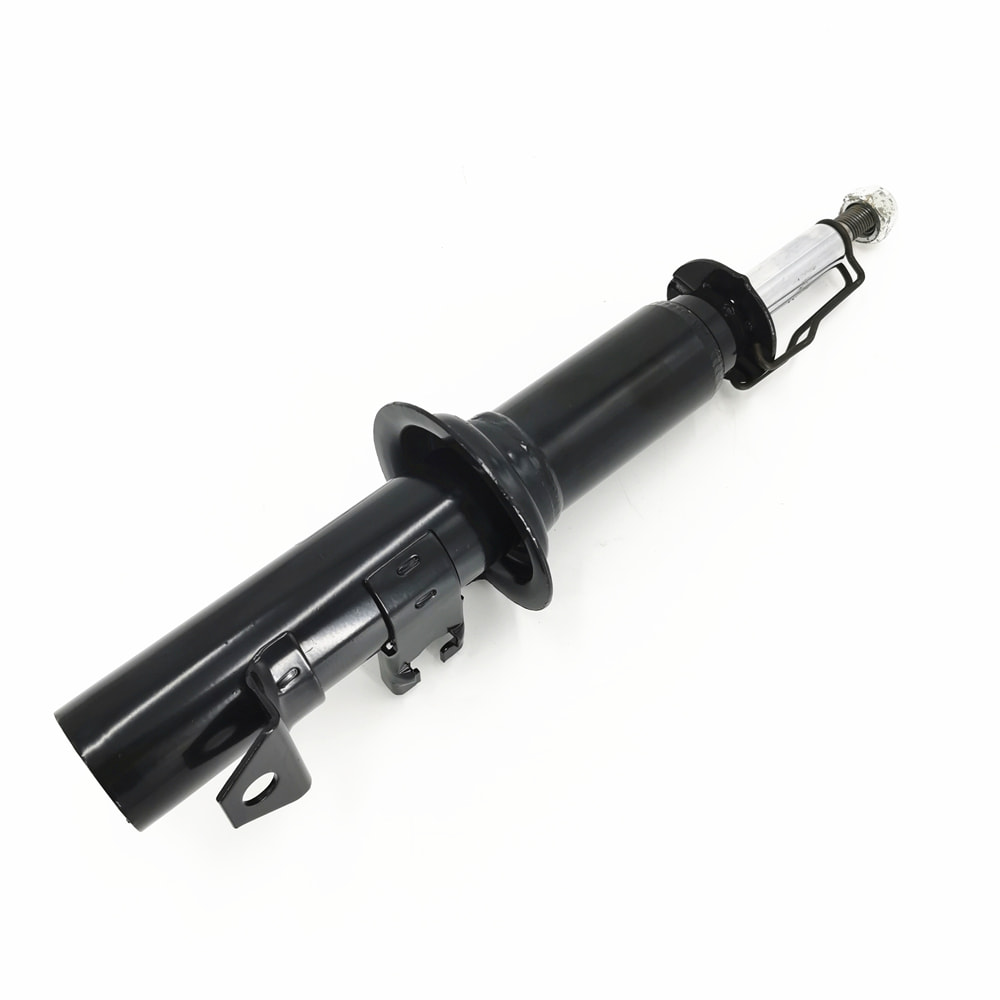
Upgrading to high-quality front off-road dampers is the most critical modification for improving vehicle control, ride comfort, and safety on unpredictable terrain. Front dampers control the rate of suspension movement, preventing the vehicle from bouncing uncontrollably after hitting an obstacle. By absorbing kinetic energy from rapid impacts, they ensure the tires maintain constant contact with the ground, which directly translates to reliable steering response and maximum traction on rocks, mud, and sand.
When navigating off-road environments, the front axle takes the brunt of the initial impact. Without properly tuned dampers, the stored energy in the suspension springs would violently throw the vehicle upward, causing a loss of control. The damper's primary job is to convert that kinetic energy into thermal energy through hydraulic fluid resistance, effectively smoothing out the ride and keeping the chassis stable.
Key Components and Construction Features
Understanding the internal architecture of a front off-road damper is essential for selecting the right setup. The durability and performance of the unit rely heavily on specific engineering choices that dictate how the damper behaves under extreme stress.
Piston Design and Valving Mechanisms
The piston is the heart of the damper. Off-road applications require pistons with large diameters to move a high volume of hydraulic oil quickly. A well-engineered piston features precisely calibrated shim stacks that flex under pressure, allowing fluid to bypass the piston during compression and rebound. The arrangement and thickness of these shims determine the damping curve. For aggressive off-roading, digressive valving is often preferred, providing a stiff response for slow wheel movements (like cornering) while softening up for high-speed impacts (like hitting a washboard trail).
Material Selection and Thermal Management
Heavy-duty off-road dampers are subjected to intense friction and heat. The shock body must be constructed from high-strength materials that resist bending from lateral forces encountered during articulation. Furthermore, the internal hydraulic fluid breaks down when it reaches high temperatures, leading to dampening fade. To combat this, premium dampers utilize remote reservoirs or large-diameter bodies to increase the overall volume of oil, significantly improving thermal stability over long, grueling trails.
Common Off-Road Damper Mistakes to Avoid
Even with the best equipment, incorrect installation and tuning can ruin the off-road experience. Many enthusiasts make avoidable errors that compromise the integrity of their front suspension systems.
- Mismatched Spring Rates: Installing heavy-duty dampers without pairing them with appropriately rated coil springs will lead to a harsh ride. The damper can only control what the spring allows; if the spring is too stiff, the damper will prematurely wear out trying to control the excessive rebound.
- Incorrect Mounting Angles: Dampers are designed to operate within specific geometric angles. Leaning the damper too far inward reduces its mechanical advantage, requiring stiffer valving to compensate, which in turn increases stress on the mounting points.
- Ignoring Operating Temperature: Pushing a standard twin-tube damper on a high-speed desert run will cause rapid fluid heating. The oil aerates, forming bubbles that pass through the piston valves, causing sudden damping failure. Always match the damper type to the expected heat load.
Matching Dampers to Specific Terrain Types
No single damper setting is perfect for every environment. The suspension requirements for crawling over boulders are entirely different from blasting across open desert plains. Adjusting the compression and rebound settings—or choosing a specific valving profile—is crucial for optimizing vehicle behavior in specific conditions.
| Terrain Type | Required Damping Profile | Primary Benefit |
|---|---|---|
| High-Speed Desert | High compression, aggressive rebound | Absorbs massive impacts without bottoming out |
| Slow-Speed Rock Crawling | Soft compression, soft rebound | Allows maximum wheel articulation and traction |
| Muddy and Forest Trails | Medium compression, medium rebound | Balances stability with the need to absorb hidden roots |
Maintenance and Field Tuning for Front Dampers
Regular maintenance is mandatory to keep front off-road dampers operating at peak efficiency. The harsh environments they operate in introduce moisture, dust, and debris that can compromise the seals and internal components.
Conducting Regular Inspections
A systematic inspection routine should be established. Mechanics and enthusiasts must check the physical condition of the damper shaft for any scoring or pitting, as even minor scratches will destroy the main seal over time, leading to oil leakage. Inspecting the bushings and mounting hardware for play is equally critical, as loose mounts amplify vibration and can shear the mounting studs entirely.
Adjusting Damping for Vehicle Load
When adding heavy accessories like winches, steel bumpers, or extra lighting to the front of the vehicle, the suspension geometry changes. The added static weight compresses the springs, reducing the available down-travel. To compensate, the compression damping must be increased to support the extra mass, and the ride height should be readjusted. Failing to recalibrate the dampers for the new load will result in a sluggish steering response and a tendency for the front end to dive heavily under braking.
- Measure the current ride height to establish a baseline before making adjustments.
- Increase the compression setting incrementally to support the added front-end weight.
- Test the vehicle over a familiar obstacle to evaluate the change in steering response and bottoming resistance.
- Fine-tune the rebound setting to ensure the front wheels do not pack up (fail to extend fast enough) when hitting consecutive bumps.
The Impact of Damper Technology on Overall Vehicle Dynamics
Ultimately, the front dampers serve as the primary communication line between the terrain and the driver. Advanced damping technology allows the vehicle to isolate the cabin from violent chassis movements, reducing driver fatigue during long expeditions. By effectively managing the unsprung weight, the dampers allow the tires to track the ground perfectly, maximizing the mechanical grip provided by the tires.
Furthermore, by controlling the violent transfer of weight during acceleration, braking, and cornering, properly tuned front dampers prevent the vehicle from experiencing unpredictable handling characteristics. They ensure that when the driver turns the steering wheel, the front tires bite into the surface immediately, rather than waiting for the chassis to settle. This immediate, predictable response is the true hallmark of a superior off-road suspension system.
Latest News
-
Comprehensive Guide to Shock Absorber Materials: Engineering Metallurgy, Polymers, and Advanced Selection Criteria
In modern automotive suspension design, damping characteristics are directly defined by material ...2026-08-06
-
Mastering Off-Road Dampers: Technology, Tuning, and Fitment Guide
An Engineering-Grade Blueprint from Trail Rig Setups to Race-Ready Performance 1. Understanding Of...2026-07-31
-
What makes a shock absorber suitable for desert driving?
Desert driving imposes extreme stress on a vehicle's suspension system, making specialized shock ab...2026-07-22
-
How do aftermarket car parts compare to OEM parts in quality?
Aftermarket automotive parts provide a highly customizable and cost-effective alternative to origin...2026-07-15
-
What Are the Signs of Failing Shock Absorbers on Heavy Trucks?
Heavy Duty Truck Shock Absorbers Are Critical for Safety, Load Stability, and Long-Term Vehicle Per...2026-07-08
-
When Should You Replace Rear Shocks on a Passenger Car?
Passenger car rear shock absorbers are critical components that control spring oscillation, ensure ...2026-07-01
Quick Links
Contact Us
-
 +86-13757453333
 -
 +86-572-8355557
 -
 Caroline@gerep.cn
 -
 No. 36, South Zhenxing Rd., Zhongguan Town, Deqing County, Huzhou, Zhejiang, China
Please Enter Your Information
Copyright © Gerep Automotive Parts Mfg Co., Ltd. All Rights Reserved.
Custom Variable Durable Shock Absorbers Manufacturers
