 EN
EN  English
 Español

News

How do aftermarket car parts compare to OEM parts in quality?
 2026.07.15
 Industry News
Aftermarket automotive parts provide a highly customizable and cost-effective alternative to original equipment manufacturer components. They significantly reduce maintenance and upgrade expenses while frequently enhancing vehicle performance, durability, and aesthetic appeal. However, the ultimate success of using these components heavily relies on the rigorous evaluation of material quality, supplier reputation, and precise compatibility with the specific vehicle model. By understanding the nuances of the secondary parts market, vehicle owners can make informed decisions that perfectly balance budget constraints with their driving requirements.
Understanding the Core Differences Between OEM and Aftermarket Parts
Original Equipment Manufacturer parts are produced by the vehicle's original maker or their authorized contractors, ensuring an exact replica of the component installed during assembly. Conversely, aftermarket automotive parts are designed and manufactured by independent companies. These firms reverse-engineer original parts to create functional replacements and distinct upgrades. The most defining characteristic of the aftermarket industry is its decentralized manufacturing landscape, which results in a broad spectrum of parts varying in material composition, engineering tolerances, and performance metrics.
While original parts guarantee a predictable fit and standard performance at a premium price, aftermarket components introduce vital market competition. This competition drives down prices and accelerates technological innovation. Consumers are no longer restricted to a single supplier for a worn-out component; instead, they can choose from numerous variations ranging from standard economy replacements to specialized high-performance variants engineered for extreme driving conditions.
| Attribute | OEM Parts | Aftermarket Parts |
|---|---|---|
| Pricing Structure | Consistently higher, fixed rates | Highly variable, generally more affordable |
| Availability Channels | Restricted to authorized dealerships | Widely accessible across independent shops and retailers |
| Design Variety | Limited to standard factory specifications | Extensive range from daily driver to track performance |
| Quality Consistency | Uniform, backed by vehicle manufacturer | Requires consumer research to ensure tier quality |
Core Advantages and Potential Challenges of Choosing Aftermarket Parts
Significant Cost Reduction and Accessibility
The most compelling reason drivers turn to the aftermarket is the substantial financial savings. Because numerous independent manufacturers produce functionally identical components, the resulting market competition naturally suppresses retail prices. Furthermore, the widespread availability of these parts means that local independent mechanics and retail outlets usually have common replacement items in stock. This immediate accessibility drastically reduces vehicle downtime, allowing owners to complete repairs and return to the road much faster than waiting for specialized dealership orders.
Performance Enhancements and Vehicle Personalization
Unlike factory components, which are engineered to meet conservative baseline standards suitable for the average driver, aftermarket parts frequently exceed these original specifications. Enthusiasts can leverage the aftermarket to extract additional horsepower, improve handling dynamics, or upgrade braking efficiency. For instance, a vehicle can be transformed through the installation of lightweight rotational components, high-flow intake systems, or progressive-rate suspension springs, offering a completely tailored driving experience that standard specifications cannot provide.
Quality Fluctuations and Warranty Considerations
Despite the clear benefits, navigating the aftermarket requires caution. The primary challenge is the inconsistency in manufacturing quality. Lower-tier suppliers may utilize inferior metals or plastics to cut costs, resulting in premature failure or compromised safety. Additionally, installing certain aftermarket upgrades can impact the factory warranty if the new component is directly responsible for a subsequent mechanical failure. Buyers must adopt a proactive approach to vetting products before purchase.
- Investigate the manufacturer's reputation and longevity in the industry
- Select components that come with explicit, written warranty coverage
- Verify that the part meets or exceeds established industry safety benchmarks
How to Precisely Select Aftermarket Parts Based on Driving Needs
Selecting the correct aftermarket component is not a universal process. The requirements of a daily commuter vehicle differ vastly from those of a weekend track car or a heavy-duty off-road rig. For a standard commuter, prioritizing mid-tier, durability-focused replacement parts is the most sensible strategy. These components provide reliable service comparable to factory parts but at a reduced cost. Conversely, vehicles subjected to high-stress environments require premium aftermarket solutions engineered with advanced metallurgy or specialized cooling properties.
Before finalizing any purchase, vehicle owners should adhere to a systematic evaluation framework to ensure seamless integration and optimal performance:
- Identify the primary use of the vehicle and current mechanical limitations.
- Establish a realistic budget, clearly separating essential repairs from optional upgrades.
- Consult independent automotive forums and technical reviews for real-world performance data.
- Discuss installation feasibility and potential system compatibility with a trusted mechanic.
- Confirm the seller's return policy in case the component does not fit precisely.
Best Practices for Installation and Maintenance of Aftermarket Parts
Even the highest-quality aftermarket automotive part will underperform or cause damage if installed incorrectly. While experienced owners might tackle basic bolt-on replacements, components integrated into complex systems—such as braking, steering, or electrical networks—should be handled by certified technicians. Professional installation guarantees precise torque application and geometric alignment, mitigating the risk of catastrophic mechanical failure and often securing a labor warranty for peace of mind.
Post-installation maintenance is equally critical. Aftermarket components often feature different materials that require specific care routines. For example, high-flow performance air filters typically utilize oiled cotton media that must be periodically cleaned and re-oiled, unlike disposable factory paper filters. Adhering strictly to the component manufacturer's maintenance schedule ensures maximum longevity and preserves the overall reliability of the vehicle.
Common Types of Aftermarket Parts and Their Functional Enhancements
Advanced Braking Systems
Upgrading to aftermarket braking components is one of the most effective ways to enhance vehicle safety and driver confidence. High-friction brake pads and slotted or drilled rotors provide superior stopping power and resist heat-induced fade during aggressive driving. This is particularly beneficial for vehicles navigating mountainous terrain or frequently towing heavy loads, where consistent brake performance is paramount.
Suspension and Handling Components
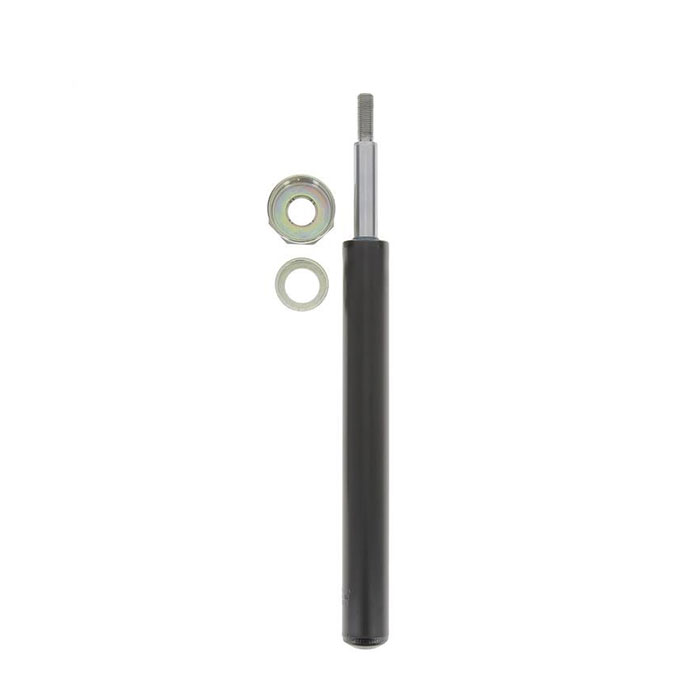
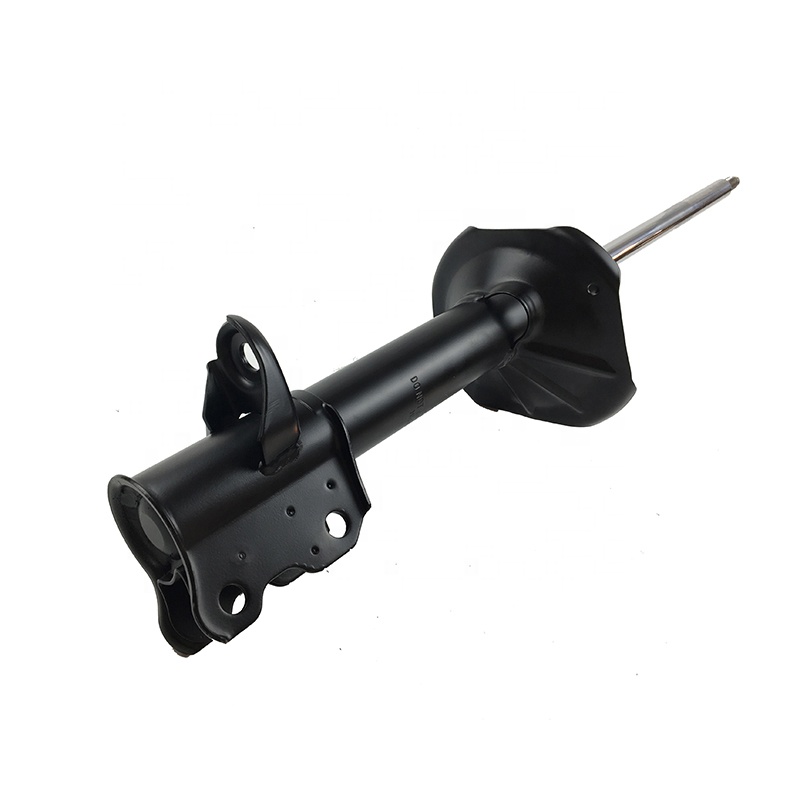
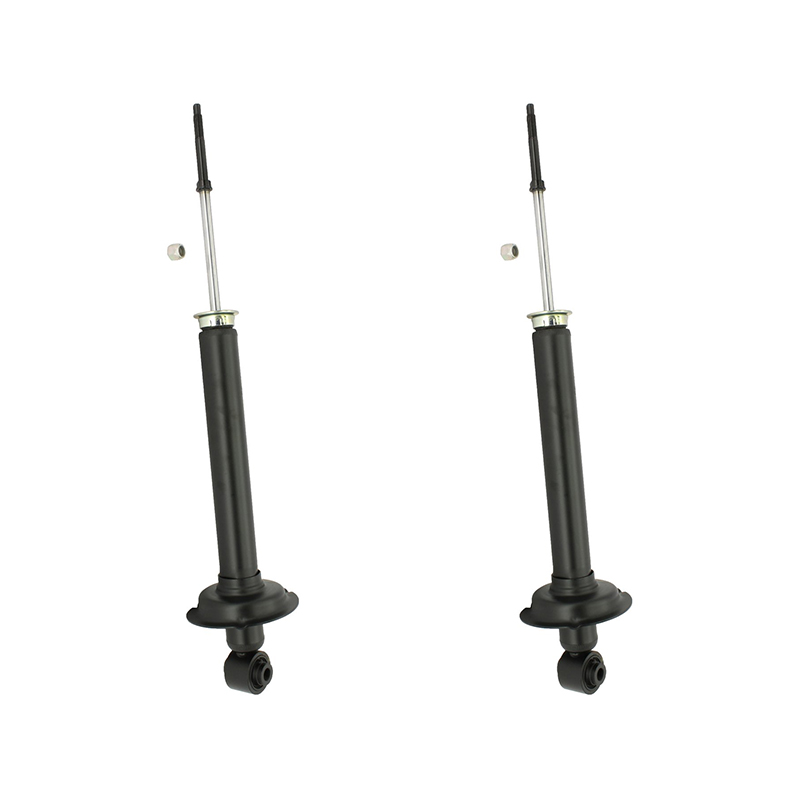
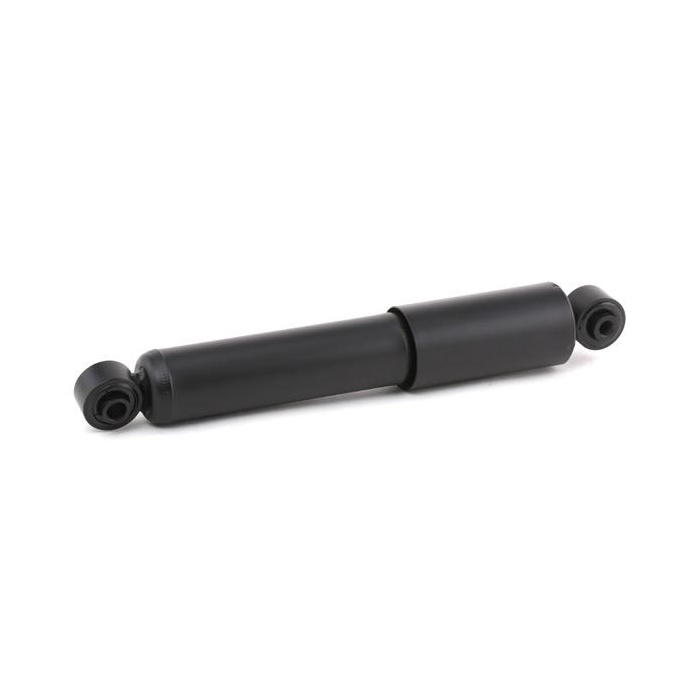
Aftermarket suspension kits, including adjustable coilovers and rigid sway bars, drastically alter a vehicle's dynamic profile. By lowering the center of gravity and reducing body roll during cornering, these components create a more planted, predictable handling experience. Drivers can fine-tune damping rates and ride heights to perfectly match their driving style, achieving a level of customization unattainable with standard factory setups.
Air Intake and Exhaust Systems
Performance-oriented intake and exhaust systems optimize the engine's breathing efficiency. By reducing airflow restrictions, these upgrades facilitate better cylinder filling and exhaust scavenging. The result is a more responsive throttle, a noticeable increase in power output, and a more aggressive exhaust note, making the daily driving experience significantly more engaging without compromising everyday reliability.
Latest News
-
Struts vs Shocks vs Springs: Suspension Parts Explained for Car Owners
Your suspension starts making noise, and the shop says you need a new strut. You ask whether that i...2026-08-28
-
Shocks vs Struts: What's the Difference and How to Choose the Right Suspension Part
When one repair shop says your car needs a strut and another says it needs a shock absorber, the tw...2026-08-21
-
Coilovers vs Struts: Key Differences, Ride Quality, and How to Choose the Right Setup
The Short Answer Standing in front of two suspension parts that look almost identical, it is easy t...2026-08-14
-
Comprehensive Guide to Shock Absorber Materials: Engineering Metallurgy, Polymers, and Advanced Selection Criteria
In modern automotive suspension design, damping characteristics are directly defined by material ...2026-08-06
-
Mastering Off-Road Dampers: Technology, Tuning, and Fitment Guide
An Engineering-Grade Blueprint from Trail Rig Setups to Race-Ready Performance 1. Understanding Of...2026-07-31
-
What makes a shock absorber suitable for desert driving?
Desert driving imposes extreme stress on a vehicle's suspension system, making specialized shock ab...2026-07-22
Quick Links
Contact Us
-
 +86-13757453333
 -
 +86-572-8355557
 -
 Caroline@gerep.cn
 -
 No. 36, South Zhenxing Rd., Zhongguan Town, Deqing County, Huzhou, Zhejiang, China
Please Enter Your Information
Copyright © Gerep Automotive Parts Mfg Co., Ltd. All Rights Reserved.
Custom Variable Durable Shock Absorbers Manufacturers
