 EN
EN  English
 Español

News
 Home / Blogs / Industry News / How Do High-Performance Shock Absorbers Improve Ride Quality and Handling?
 How Do High-Performance Shock Absorbers Improve Ride Quality and Handling?
 2026.06.08
 Industry News
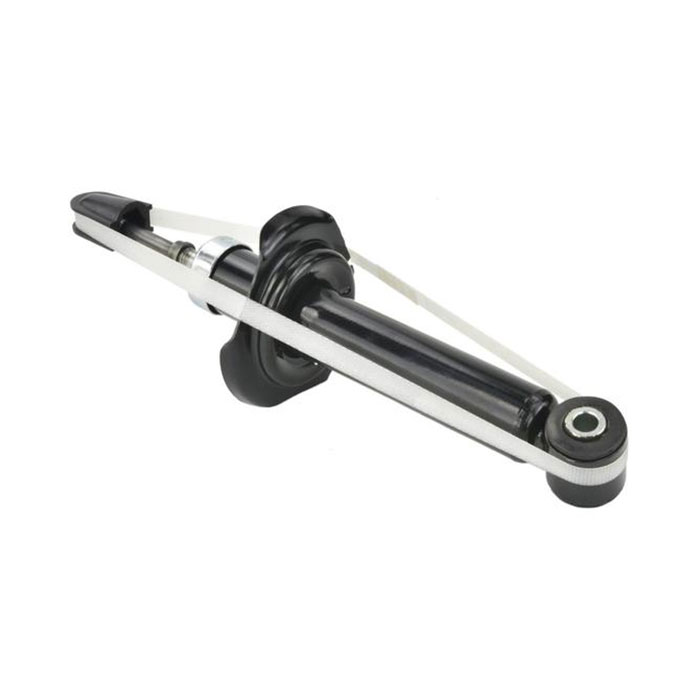
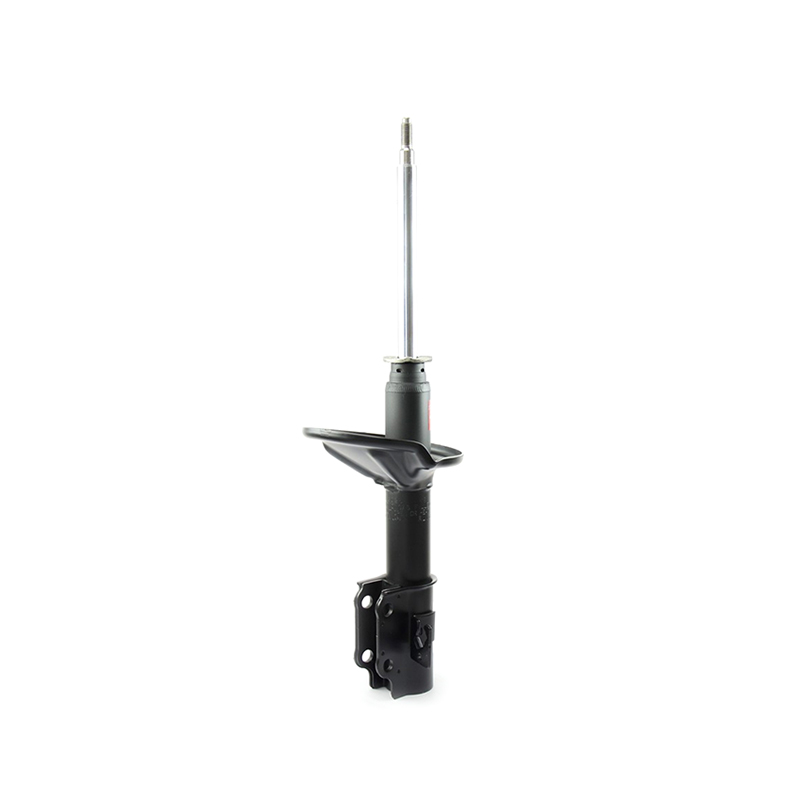
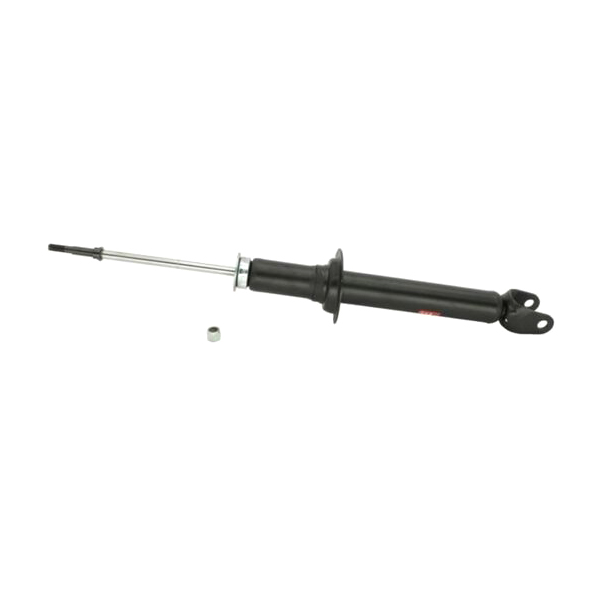
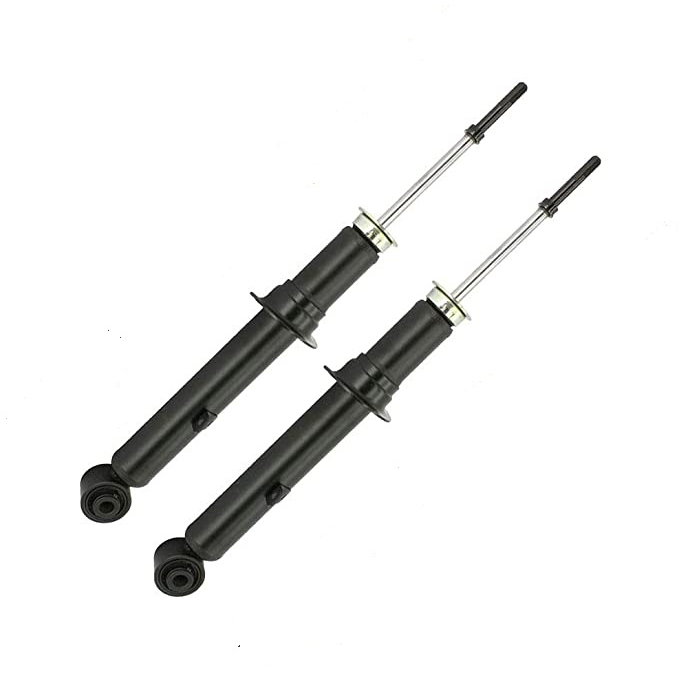
Upgrading to a high-performance shock absorber is the most effective method to immediately enhance a vehicle's handling, stability, and ride quality. Unlike standard components that merely support the vehicle's weight and provide basic bounce control, advanced dampers actively manage kinetic energy. They ensure that the tires maintain consistent contact with the road surface. Consistent tire contact is the fundamental prerequisite for optimal braking, cornering, and acceleration. By rapidly dissipating heat and resisting fluid aeration, these units eliminate the fading and sluggish response typical of conventional parts under demanding conditions. Whether navigating tight corners on a track or traversing rough off-road terrain, the immediate conclusion is clear: high-performance dampers transform a vehicle's dynamic capabilities by dictating how suspension energy is controlled.
Core Engineering Principles
To understand the value of these components, one must examine the physics of damping. A shock absorber is essentially an energy converter. It transforms the kinetic energy of suspension movement into thermal energy, which is then dissipated into the atmosphere. Standard dampers often use simple twin-tube designs with basic valve structures, leading to rapid heat buildup and fluid degradation. High-performance variants employ advanced fluid dynamics and precision valve stacks that react dynamically to varying road inputs.
Velocity-Sensitive Damping
Modern performance dampers rely heavily on velocity-sensitive valving. The resistance force is not static; it changes based on how fast the suspension compresses or rebounds. During slow movements, such as body roll in a corner, the damping force is firm to maintain chassis control. During fast, sharp impacts, like hitting a pothole, the valves open more to allow quicker movement, preserving ride comfort. This dual behavior allows a vehicle to be both agile and comfortable.
Thermal Management and Fade Resistance
When shock absorber fluid heats up, it can aerate, forming tiny bubbles that drastically reduce damping resistance—a phenomenon known as fade. Performance units combat this through larger body diameters for increased fluid volume and surface area, as well as advanced synthetic fluids with higher boiling points. In extreme applications, remote reservoirs are utilized to separate the damping fluid from the pressurized gas, virtually eliminating cavitation and ensuring consistent performance even under severe thermal stress.
Key Performance-Enhancing Features
Several structural and material advancements differentiate high-performance shock absorbers from their standard counterparts. These features are not merely cosmetic; they are integral to the functional superiority of the component.
- Monotube Design: Unlike twin-tube designs, a monotube housing uses a single cylinder with a floating piston that separates the hydraulic fluid from high-pressure nitrogen gas. This allows for larger internal pistons, generating more precise damping control and superior heat dissipation.
- Piston Shaft Coatings: To reduce friction and prevent corrosion, high-end piston rods are often treated with materials like chromium or advanced nitride coatings. Reduced internal friction translates to smoother initial suspension reaction, eliminating the harshness felt over minor surface imperfections.
- Multi-Stage Valve Stacks: Instead of a single rigid valve, performance dampers use intricate stacks of thin metal shims. As fluid pressure increases, these shims flex progressively, creating a highly tailored damping curve that matches the specific dynamic needs of the vehicle.
- Heavy-Duty Seals: High pressure and extreme temperatures demand robust sealing. Performance dampers utilize specialized elastomer compounds that withstand degradation, preventing fluid leaks and maintaining internal gas pressure over extended lifespans.
Types of High-Performance Dampers
Selecting the correct type of shock absorber depends entirely on the intended application and the driver's desire for adjustability. Different configurations offer varying levels of control and convenience.
| Damper Type | Adjustability | Best Application |
|---|---|---|
| Non-Adjustable Monotube | None (Pre-set valving) | Daily driven performance vehicles |
| Single-Adjustable | Rebound (or compression) | Weekend track use, spirited driving |
| Double-Adjustable | Rebound and Compression | Competitive motorsports, advanced tuning |
| Remote Reservoir | Varies (often double) | Off-road racing, high-heat environments |
Fixed Valving vs. Adjustable Dampers
Fixed-valve dampers offer a massive upgrade over factory components without the complexity of adjustment. Engineers design the internal valve stacks to perfectly match the spring rates and weight distribution of a specific vehicle setup. They are ideal for drivers seeking a straightforward installation. Adjustable dampers, however, empower the user to fine-tune the suspension behavior. Single-adjustable models typically alter rebound forces—the speed at which the suspension extends after compression—allowing drivers to control how the vehicle settles after a bump. Double-adjustable models offer independent control over both compression and rebound, providing the ultimate flexibility to adapt to changing track conditions or driving styles.
Remote Reservoir Configurations
In environments where suspension travel is long and impacts are violent, the internal volume of a standard shock absorber is insufficient. Remote reservoirs attach via a high-pressure hose, dramatically increasing fluid capacity and gas volume. This extra volume drastically lowers the operating temperature of the fluid, preventing fade during grueling off-road or endurance racing conditions. Furthermore, many reservoirs include adjustable spring seats, allowing for quick ride-height changes without affecting the damping characteristics.
Impact on Vehicle Dynamics
Installing high-performance shock absorbers profoundly alters how a vehicle interacts with the physical environment. The improvements span across multiple aspects of vehicle dynamics, directly influencing safety and performance.
Body Roll and Pitch Control
When a vehicle corners, it experiences lateral forces that cause the chassis to lean outward—this is body roll. Similarly, during hard braking, the front suspension compresses and the rear extends, known as dive. By increasing low-speed damping force, performance shock absorbers resist these weight transfers. Reduced body roll keeps the vehicle's center of gravity stable, ensuring that the tires remain perpendicular to the road, which maximizes the tire contact patch and generates higher cornering grip.
Unsprung Weight Management
The suspension components located below the supporting springs are considered unsprung weight. The shock absorber's primary job regarding unsprung weight is to control the oscillation of these components. When a wheel hits a bump, it is pushed upward rapidly. The damper must resist this upward motion to prevent the wheel from bouncing uncontrollably. Performance dampers provide superior control over the wheel's downward rebound, ensuring the tire settles back onto the surface quickly and stays there. Fast wheel control minimizes the time the tire spends in the air, maximizing traction and driver confidence.
Braking Efficiency
Effective braking relies entirely on tire traction. If the front tires are lightly skipping across a rough surface because the suspension cannot control the chassis weight transfer, braking distance increases. High-performance dampers stabilize the chassis during deceleration, pressing the front tires firmly into the pavement. The result is a firmer brake pedal feel and significantly reduced stopping distances, especially on uneven surfaces.
Selection Criteria and Practical Tuning
Choosing the correct high-performance shock absorber requires careful evaluation of the vehicle's purpose. A mismatched damper can degrade ride quality and compromise handling rather than improve it. Proper selection and subsequent tuning are essential to realize the full potential of the upgrade.
Matching Dampers to Spring Rates
The shock absorber and the coil spring function as an integrated system. A high-performance damper must be capable of controlling the forces generated by the spring. If a vehicle is equipped with stiffer springs to reduce body roll, the standard dampers will often be overwhelmed, leading to a harsh, bouncy ride. Conversely, extremely stiff dampers paired with soft springs will result in a jarring experience as the damper dominates the suspension movement. Always ensure the damping force capacity aligns with the spring rate to achieve a balanced suspension setup.
The Tuning Process
For those who select adjustable dampers, a structured approach to tuning is vital. Randomly turning adjustment knobs will yield unpredictable results. Follow a systematic methodology to optimize the vehicle's dynamic behavior:
- Establish a baseline by setting all adjustment knobs to the manufacturer's recommended starting position, usually the midpoint of the adjustment range.
- Drive the vehicle on a familiar road that features various surface imperfections and corner types to assess the initial behavior.
- Adjust the rebound setting first. If the vehicle feels floaty or bouncy after a bump, increase the rebound stiffness. If the vehicle feels harsh and skips over bumps, decrease the rebound stiffness.
- Fine-tune the compression setting. If the car dives excessively under braking or rolls heavily in corners, increase compression. If the ride becomes too jarring over sharp impacts, soften the compression.
- Make adjustments in small increments, testing thoroughly after each change, keeping detailed notes on how the vehicle responds to specific inputs.
Maintenance and Longevity Considerations
While high-performance shock absorbers are engineered for durability, their advanced internal components require specific attention to maintain peak functionality. Neglecting maintenance can negate the performance benefits and lead to premature failure.
Inspection Protocols
Regular visual inspections are crucial. Owners should frequently examine the piston shafts for signs of microscopic pitting or corrosion, which can tear the main seal and cause fluid leaks. Additionally, the rubber bushings at the top and bottom mounts must be checked for cracking or deterioration. Worn bushings introduce flex into the suspension geometry, creating vague steering response and undermining the precision of the damper itself.
Fluid and Gas Rebuilding
Many premium, adjustable shock absorbers are fully rebuildable. Unlike sealed factory units that must be discarded when they wear out, performance dampers can be disassembled, inspected, and recharged. Over time, the high-pressure nitrogen gas can slowly permeate through the seals, reducing the gas pressure and allowing the damping fluid to cavitate more easily. Periodic rebuilding restores the original gas pressure and replenishes the hydraulic fluid, bringing the damper back to its exact factory specifications. This not only ensures consistent performance but also represents a more sustainable approach to high-performance driving, as the components are not simply discarded into a landfill after a single lifecycle.
Latest News
-
Bypass Shocks: Internal vs External Explained for Truck and SUV Owners
When your vehicle’s suspension starts feeling floaty or bottoms out over bumps, the term “bypass sh...2026-09-17
-
4x4 Shock Absorbers: Choosing, Replacing, and Upgrading for Off-Road SUVs
Your 4x4 feels unsettled on gravel, the rear end sways after a bump, and the tyres are wearing fast...2026-09-11
-
Shock Absorber Replacement Cost: Average Prices and Expert Labor Guide
Your service advisor hands you an estimate for replacing two rear shock absorbers: $680 for parts, ...2026-09-04
-
Struts vs Shocks vs Springs: Suspension Parts Explained for Car Owners
Your suspension starts making noise, and the shop says you need a new strut. You ask whether that i...2026-08-28
-
Shocks vs Struts: What's the Difference and How to Choose the Right Suspension Part
When one repair shop says your car needs a strut and another says it needs a shock absorber, the tw...2026-08-21
-
Coilovers vs Struts: Key Differences, Ride Quality, and How to Choose the Right Setup
The Short Answer Standing in front of two suspension parts that look almost identical, it is easy t...2026-08-14
Quick Links
Contact Us
-
 +86-13757453333
 -
 +86-572-8355557
 -
 Caroline@gerep.cn
 -
 No. 36, South Zhenxing Rd., Zhongguan Town, Deqing County, Huzhou, Zhejiang, China
Please Enter Your Information
Copyright © Gerep Automotive Parts Mfg Co., Ltd. All Rights Reserved.
Custom Variable Durable Shock Absorbers Manufacturers
