 EN
EN  English
 Español

News
 Home / Blogs / Industry News / What certifications are necessary for qualified OEM shock absorber suppliers?
 What certifications are necessary for qualified OEM shock absorber suppliers?
 2026.06.01
 Industry News
A qualified OEM shock absorber supplier must meet four core requirements: stable mass production capacity, complete customized design and development capabilities, strict international quality certification standards, and perfect after-sales and logistics support systems. Only suppliers that meet these conditions can ensure product consistency, delivery efficiency and long-term operational safety for global automotive manufacturers, aftermarket enterprises and industrial equipment brands.
For most buyers, the biggest risk in cooperating with an OEM shock absorber supplier is mismatched production capacity, unstable product quality, and failure to deliver on time. By focusing on the four core dimensions mentioned above, buyers can quickly screen out high-quality partners and reduce potential losses in the supply chain. In the global market, professional OEM shock absorber suppliers usually serve more than 20 international customers, maintain a monthly production capacity of over 100,000 units, and pass IATF 16949 and ISO 9001 certifications, which are important reference indicators for selection.
Core Capabilities That an OEM Shock Absorber Supplier Must Possess
Customized Design and Development Capability
OEM shock absorber suppliers are not pure processors; they need to provide full-cycle customized services from product drawing design, performance simulation, prototype testing to mass production. This capability directly determines whether the shock absorber can match the specific parameters of different vehicles, working conditions and usage scenarios.
High-quality suppliers have independent R&D teams and professional testing equipment, which can optimize the damping force, stiffness, size and material selection of the shock absorber according to customer needs. For example, for passenger cars, the shock absorber needs to focus on comfort and noise control; for commercial vehicles and off-road vehicles, the focus is on load-bearing capacity and durability; for industrial machinery, it needs to adapt to high-strength continuous operation. More than 65% of high-end customers give priority to suppliers with independent R&D capabilities when choosing OEM partners, which is a key indicator to measure professional strength.
Stable Mass Production Capacity
Stable mass production is the foundation of long-term cooperation between OEM shock absorber suppliers and customers. This capability includes advanced production lines, standardized operating procedures, mature supply chain management of raw materials, and flexible production scheduling mechanisms.
In the global shock absorber OEM industry, the monthly production capacity of mainstream professional suppliers exceeds 100,000 units, and they can achieve rapid switching between different models and specifications. They use automated production equipment to reduce manual errors, ensuring that each product has consistent performance and size. In addition, reliable suppliers maintain long-term cooperative relations with raw material suppliers to avoid production interruptions caused by shortages of parts such as pistons, oil seals, springs and hydraulic oil.
Strict Quality Control System
Shock absorbers are key safety components of vehicles and equipment, so quality control is the top priority of OEM suppliers. A complete quality control system covers raw material inspection, production process monitoring, finished product performance testing, and packaging and delivery inspection.
Qualified OEM shock absorber suppliers must pass international authoritative certifications, the most important of which is IATF 16949, which is a mandatory standard for automotive industry suppliers. In addition, ISO 9001 quality management system certification is also a basic requirement. Before mass production, products need to undergo fatigue testing, high and low temperature testing, durability testing and leakage testing. High-standard suppliers can ensure that the shock absorber has a service life of more than 80,000 kilometers, far exceeding the industry average level.
Complete Service System of Professional OEM Shock Absorber Suppliers
Pre-Sales Technical Support
Professional OEM shock absorber suppliers provide comprehensive pre-sales technical support, including parameter consultation, scheme design, sample customization and performance testing. For customers without clear product parameters, the technical team can provide targeted solutions based on application scenarios, load conditions and usage environment.
This service can help customers save a lot of R&D time and cost. High-quality suppliers can complete sample production and testing within 7 to 15 days, quickly verifying whether the product meets customer needs, laying a solid foundation for subsequent mass production.
In-Sales Production and Delivery Management
During the cooperation period, the OEM supplier needs to provide real-time production progress feedback, strictly abide by the delivery cycle, and ensure that customers receive products on time. For urgent orders, flexible production scheduling can be carried out to meet the urgent needs of the market.
In terms of packaging and transportation, professional suppliers use shockproof, moisture-proof and anti-collision packaging methods to avoid product damage during long-distance transportation. At the same time, they are familiar with global logistics and customs clearance processes, and can provide door-to-door delivery services for customers in Europe, North America, Southeast Asia and other regions, reducing the logistics pressure of buyers.
After-Sales Warranty and Technical Maintenance
After-sales service is an important part to measure the sustainability of cooperation. Reliable OEM shock absorber suppliers provide clear warranty policies, usually including free replacement and maintenance for quality problems within the warranty period. In addition, they can provide after-sales technical guidance to help customers solve installation, use and performance adjustment problems.
For long-term cooperative customers, suppliers will establish special customer files, record product parameters and production records, and quickly respond to subsequent reorders, technical upgrades and quality complaints, forming a closed-loop service system.
Classification and Application Scope of OEM Shock Absorber Products
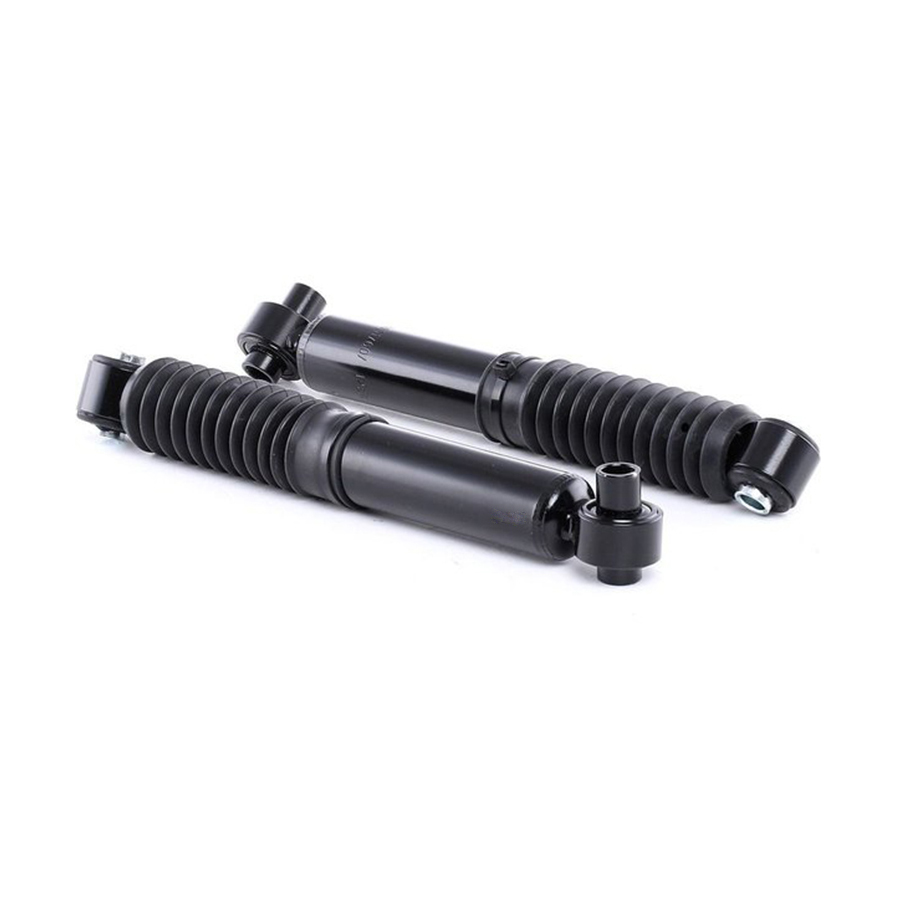
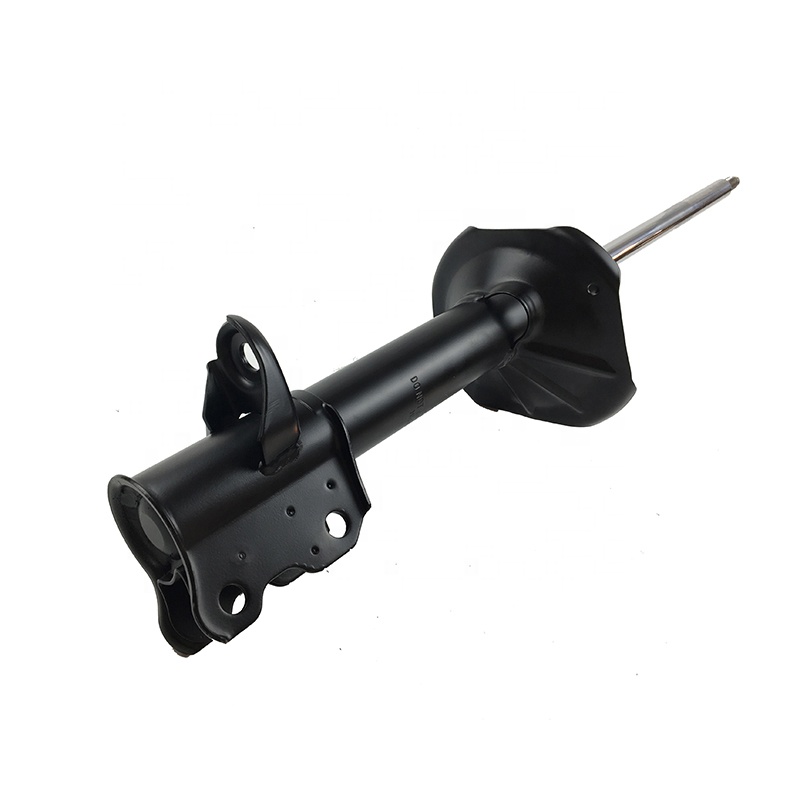
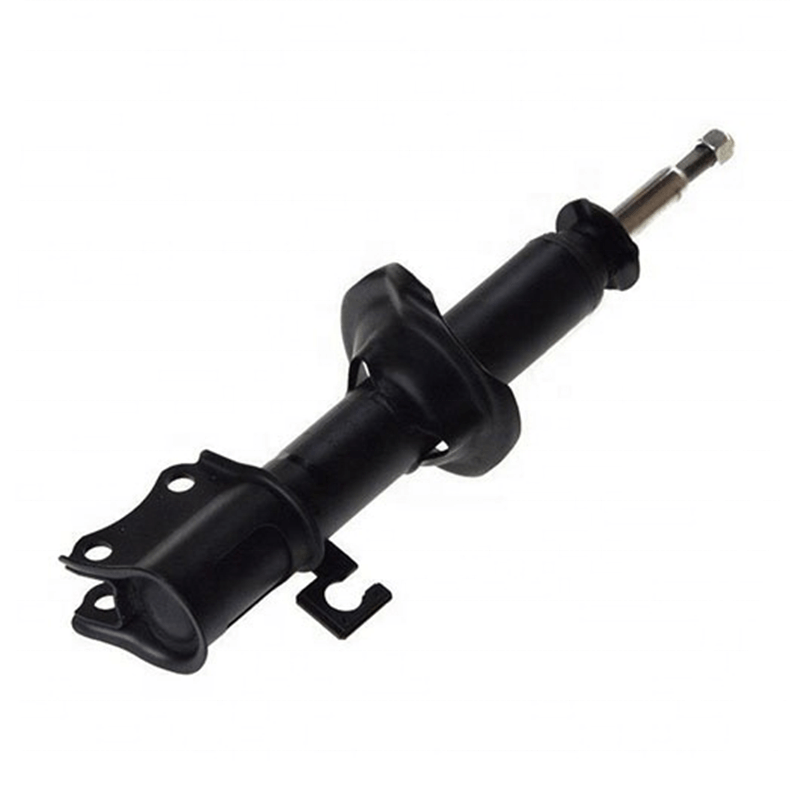
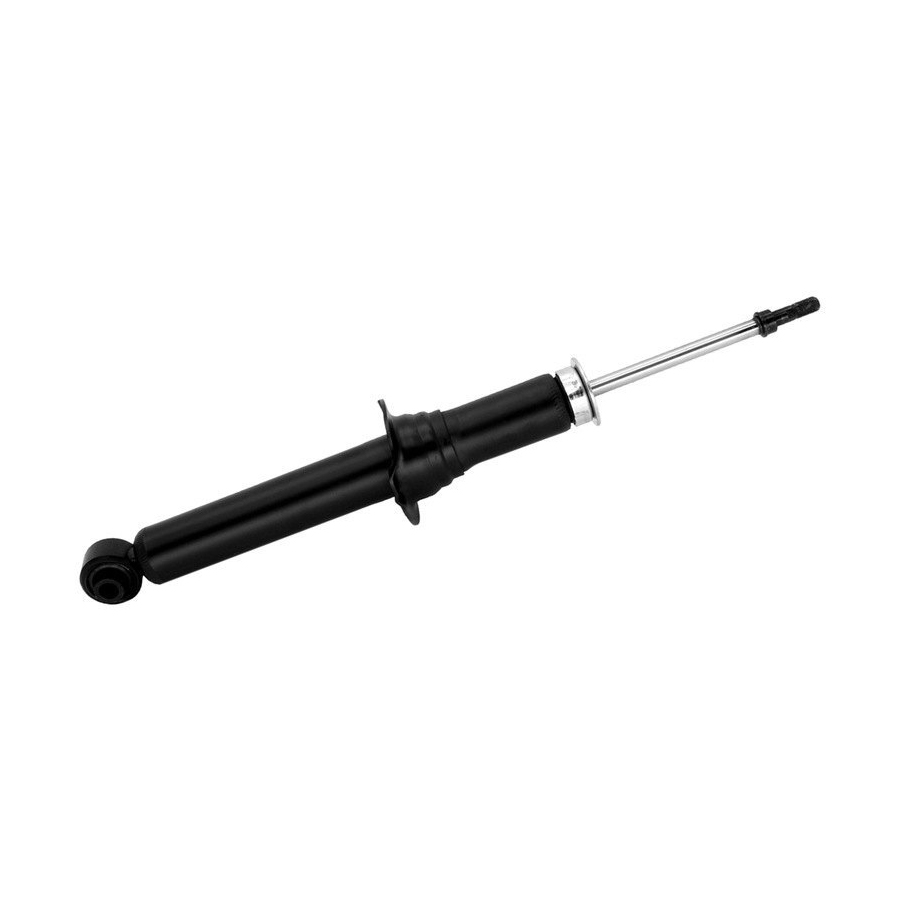
Professional OEM shock absorber suppliers can produce a full range of products to meet the needs of different fields. The products are mainly divided into several categories according to application scenarios, and each category has clear design standards and performance characteristics.
Automotive Shock Absorbers
This is the largest category of OEM shock absorber products, covering passenger cars, commercial vehicles, off-road vehicles, new energy vehicles and other models. Passenger car shock absorbers focus on comfort and noise reduction; commercial vehicle shock absorbers have higher load-bearing and fatigue resistance; new energy vehicle shock absorbers need to adapt to the characteristics of heavy vehicle body and low noise requirements.
Industrial and Mechanical Shock Absorbers
Used in construction machinery, agricultural machinery, automation equipment, rail transit and other fields, these shock absorbers have high strength, corrosion resistance and durability, and can operate stably in harsh environments such as high load, high dust and high humidity.
Motorcycle and Off-Highway Vehicle Shock Absorbers
This type of product requires excellent shock absorption effect and stability, adapting to complex road conditions. OEM suppliers can customize adjustable, non-adjustable and built-in spring shock absorbers according to customer needs.
| Product Category | Main Application Fields | Core Performance Requirements |
|---|---|---|
| Passenger Car Shock Absorbers | Sedans, SUVs, MPVs | Comfort, Low Noise, Stability |
| Commercial Vehicle Shock Absorbers | Trucks, Buses, Trailers | High Load, Durability, Reliability |
| Industrial Shock Absorbers | Machinery, Automation Equipment | Corrosion Resistance, High Strength |
Key Standards for Evaluating OEM Shock Absorber Suppliers
To help buyers make accurate judgments, we summarize the five most critical evaluation standards, which are widely recognized in the global OEM shock absorber industry:
- Formal international quality certification, mainly IATF 16949 and ISO 9001, which is the basic entry threshold;
- Independent R&D and design capacity, able to provide customized solutions instead of purely producing standard products;
- Stable production capacity and mature supply chain management, ensuring continuous and stable output;
- Complete pre-sales, in-sales and after-sales service system to respond to customer needs in a timely manner;
- Good market reputation and long-term cooperative customer cases, reflecting practical cooperation experience.
Buyers can score and rank suppliers according to these standards, and suppliers that meet more than 4 standards can be used as long-term partners. In actual cooperation, on-site inspections of production workshops, R&D laboratories and quality control rooms are also effective ways to verify the true strength of suppliers.
Long-Term Cooperation Value of Choosing the Right OEM Shock Absorber Supplier
Reduce Overall Operational Costs
Stable OEM suppliers can reduce the cost of raw material procurement through large-scale production, and optimize production processes to reduce defective rates, thereby reducing the unit cost of products. At the same time, punctual delivery avoids production suspension losses caused by delayed supply, and perfect quality control reduces after-sales compensation and maintenance costs.
Industry data shows that long-term cooperation with reliable OEM suppliers can reduce the overall supply chain cost by 15% to 25% for customers, which is a significant benefit for enterprises in the fiercely competitive market.
Improve Product Competitiveness
High-quality shock absorbers directly improve the performance, safety and service life of complete vehicles and equipment, helping customers build a good brand image. Customized solutions can make products more in line with market demand and differentiate them from competitors.
Guarantee Long-Term Supply Stability
For automotive and equipment manufacturing enterprises, supply interruption is a huge risk. Professional OEM shock absorber suppliers have stable production capacity, emergency response mechanisms and backup raw material inventory, which can ensure uninterrupted supply even in special periods such as peak seasons and supply chain fluctuations, ensuring the normal operation of customers' production lines.
Summary of Selection and Cooperation Suggestions for OEM Shock Absorber Suppliers
In the global market, choosing an OEM shock absorber supplier is a systematic decision that needs to combine certification, capacity, service, product and cost factors. The core principle is to give priority to professional suppliers with complete qualifications, strong technical force and stable production, rather than simply choosing based on price.
Before formal cooperation, it is recommended to conduct sample testing, small-batch trial orders, and on-site inspections to verify the supplier's true strength. After establishing a cooperative relationship, maintain close communication, jointly optimize products and processes, and form a win-win long-term partnership.
With the development of the global automotive and industrial equipment industries, the demand for high-performance OEM shock absorbers will continue to grow. Choosing the right supplier is not only a supply guarantee but also a core competitive advantage for enterprises to develop in the long run.
Latest News
-
Bypass Shocks: Internal vs External Explained for Truck and SUV Owners
When your vehicle’s suspension starts feeling floaty or bottoms out over bumps, the term “bypass sh...2026-09-17
-
4x4 Shock Absorbers: Choosing, Replacing, and Upgrading for Off-Road SUVs
Your 4x4 feels unsettled on gravel, the rear end sways after a bump, and the tyres are wearing fast...2026-09-11
-
Shock Absorber Replacement Cost: Average Prices and Expert Labor Guide
Your service advisor hands you an estimate for replacing two rear shock absorbers: $680 for parts, ...2026-09-04
-
Struts vs Shocks vs Springs: Suspension Parts Explained for Car Owners
Your suspension starts making noise, and the shop says you need a new strut. You ask whether that i...2026-08-28
-
Shocks vs Struts: What's the Difference and How to Choose the Right Suspension Part
When one repair shop says your car needs a strut and another says it needs a shock absorber, the tw...2026-08-21
-
Coilovers vs Struts: Key Differences, Ride Quality, and How to Choose the Right Setup
The Short Answer Standing in front of two suspension parts that look almost identical, it is easy t...2026-08-14
Quick Links
Contact Us
-
 +86-13757453333
 -
 +86-572-8355557
 -
 Caroline@gerep.cn
 -
 No. 36, South Zhenxing Rd., Zhongguan Town, Deqing County, Huzhou, Zhejiang, China
Please Enter Your Information
Copyright © Gerep Automotive Parts Mfg Co., Ltd. All Rights Reserved.
Custom Variable Durable Shock Absorbers Manufacturers
