 EN
EN  English
 Español

News
 Home / Blogs / Industry News / Key Developments in Automotive Suspension Parts: Trends to Watch in 2026
 Key Developments in Automotive Suspension Parts: Trends to Watch in 2026
 2026.10.07
 Industry News
A workshop in the UK orders a rear damper for a 2012 Audi A4 and receives a twin-tube gas shock with the same mounting points but a firmer rebound stage. That exchange captures what is changing across the industry: key developments in automotive suspension parts are not limited to sensor-controlled damping or air springs. They are also about better replacement parts for cars that remain in service for 12, 15, or 20 years.
Automotive suspension parts are the components that keep tires in contact with the road while controlling body motion: springs carry static load, shock absorbers and struts control the release of that energy, and bushings, links, and mounts define geometry under cornering and braking. The developments that matter to buyers are the ones that change how these parts are built, specified, and replaced.
Market Data Points Where Suspension Development Is Heading
The fastest measurable shift is that replacement shock absorbers and struts are growing faster than factory-installed suspension units.
Industry researchers put the global automotive suspension parts market at roughly USD 68 billion by 2031, with a compound annual growth rate of about 5 percent. The aftermarket segment is expanding at an estimated 6 to 7 percent in mature regions. The cause is fleet age: the average vehicle on US roads is now above 12 years, and several European markets show a similar pattern. Older vehicles need damper replacements more often, and they are kept in service longer than previous generations.
USD 68BProjected global suspension parts market by 2031
5%Expected overall market CAGR
6-7%Aftermarket segment CAGR
| Component | Main development driver | Replacement signal |
| Shock absorbers and struts | Twin-tube gas valving and monotube tuning | 80,000-100,000 km typical service interval |
| Air springs and load-leveling parts | Height sensors, compressor controls, bellow compounds | 150,000-200,000 km bellows failure risk |
| Coilover kits | Threaded bodies and adjustable spring seats | Demand rises with ride-height modifications |
Why Sensor-Based Damping Is the Biggest Shift in Automotive Suspension Parts
Semi-active and adaptive dampers are now common on mid-range sedans and compact SUVs, not just luxury flagships.
These systems use solenoid valves that change oil flow through the damper based on steering angle, body acceleration, and wheel travel. A modern controller can adjust damping force in cycles measured in milliseconds. That matters because the damper itself now contains actuators, wiring, and internal valve packs that require different service procedures and spare-part logic.
Semi-active dampers adjust compression and rebound stiffness independently, so one failed solenoid can change braking posture even when the spring is still in good condition.
- Verify that the replacement damper is designed for the original electronic control unit, not only for the mounting holes.
- Check electrical connector type and wiring harness routing before ordering.
- Do not replace an adaptive damper with a passive unit unless the vehicle has been re-engineered and the electronic controller reprogrammed.
Lightweight Materials Change How Suspension Parts Are Built and Replaced
Aluminum control arms, hollow stabilizer bars, and composite spring leaves reduce unsprung mass, but they also change inspection and repair decisions.
Steel
- Low cost and predictable fatigue life
- Can be straightened in some non-structural mounts
- Higher unsprung mass
Aluminum
- Reduces mass by up to 40 percent per arm
- Needs crack inspection around bushings
- Cannot be bent back after impact
Composite
- Best mass reduction for springs and leaf packs
- High material and replacement cost
- Damage is often invisible until failure
Thermoplastic-elastomer bushings are another development: they keep stiffness more stable across a wide temperature range, which improves alignment consistency in cold climates. The practical impact for suspension parts buyers is that material selection must be part of the part number, not an optional upgrade.
Reducing unsprung mass by 1 kg per wheel has a similar effect on bump absorption as removing roughly 15 kg from the body.
Aftermarket Demand Reshapes Key Developments in Automotive Suspension Parts
Aging vehicles, not new-car sales, are pushing most part-level innovation in replacement shock absorbers.
The average US vehicle is now more than 12 years old, and many cars in Europe, Australia, and Latin America stay in service well past 150,000 km. A 15-year-old car is often fitted with its second set of dampers before it reaches the scrapyard. That creates a market for exact-fit replacement parts across models that original-equipment channels no longer stock.
A replacement interval of 80,000 to 100,000 km means a 15-year-old car can receive its second set of dampers while the body, brakes, and drivetrain are still economically repairable.
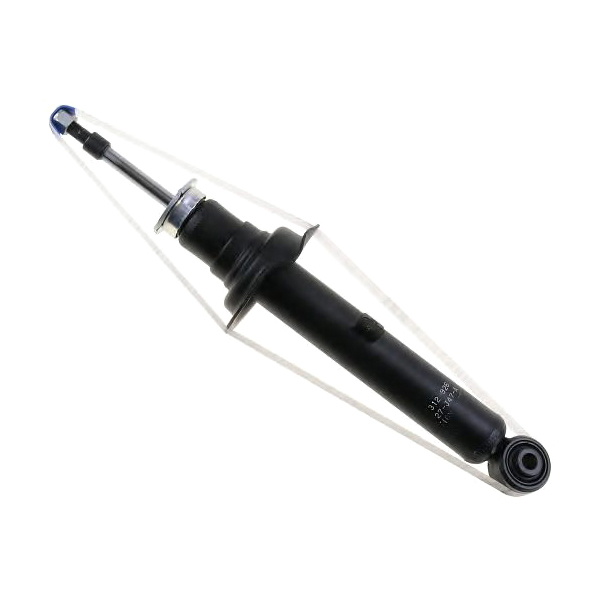
Gerep Automotive Parts Mfg Co., Ltd. organizes its catalog by vehicle brand, model, and front or rear position, then builds the dampers in its own factory. The range also includes strut assemblies, spring seats, spring discs, and brackets, which matters because a complete suspension service needs matched components rather than a single damper. For a high-volume model like the Audi A4, an OE-style front shock absorber is the fastest way to preserve the original ride character.
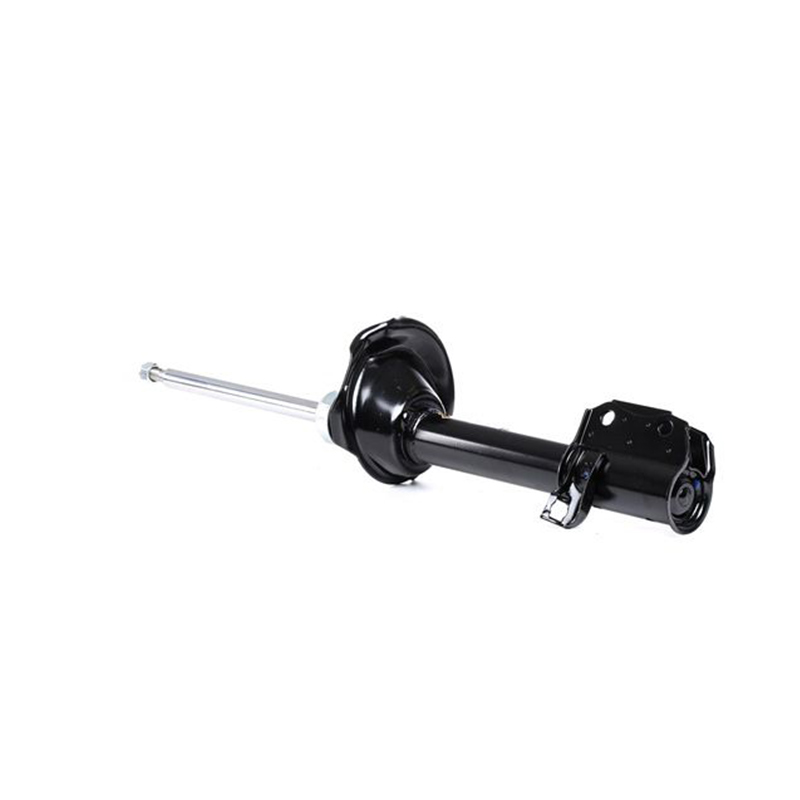
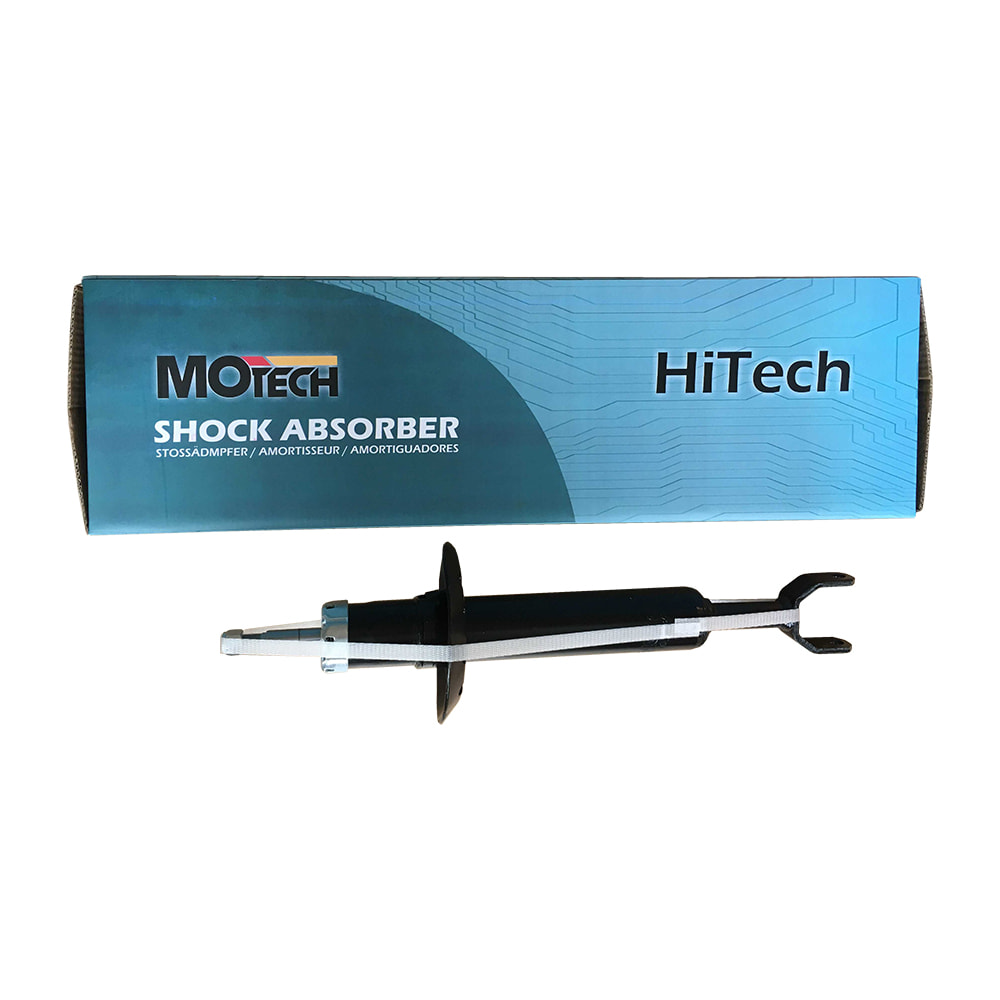 Audi A4 Front Shock Absorber for B5 (8D) 1994-2001This OE-style front damper is built for the Audi A4 B5 generation, offering a direct fit for maintaining original ride characteristics. The catalog includes matching strut assemblies and spring components for complete suspension service.View Product →
Air Suspension and Load-Leveling Components Move Beyond Luxury Vehicles
Air springs, compressor dryers, and electronic height sensors are now specified on delivery vans and tow vehicles, not only premium sedans.
Air suspension components are the parts that use compressed air in rubber bellows to adjust ride height and keep the chassis level under varying load. The development that buyers notice is the shift to integrated solenoid valve blocks and moisture-managed compressors, because the compressor duty cycle has become the main reliability limit.
- Height sensors read load-induced sag and tell the compressor to raise the axle.
- Solenoid valve blocks fail when contaminated air enters the system.
- Bellow cracking is common after 150,000-200,000 km on rough roads.
Do not mix old and new air springs on the same axle. Different bellow stiffness creates a lateral height difference that triggers repeated compressor cycling and shortens both components.
Off-Road and Heavy-Duty Dampers Demand Dedicated Engineering
A damper tuned for a highway sedan can fail quickly on gravel or mining roads, so off-road and truck applications now follow separate engineering rules.
Off-road damper priorities
- Low-speed compression tuning for rock and sand
- External reservoir for oil cooling and extra volume
- Strong dust boot and stone-chip protection
Heavy-truck damper priorities
- Continuous heat dissipation under loaded highway use
- Larger rod and bushing surface for high side forces
- Consistent force curve across long duty cycles
This is where generic replacement logic breaks down. An off-road vehicle such as a Mitsubishi Pajero used for expedition travel needs different valving than the same vehicle driven mainly on sealed roads. A highway truck needs oil cooling and bushing strength that a passenger-car damper cannot provide. Road trains in Australia add another layer: constant high speed, long trailers, and washboard surfaces punish both heat balance and rod seal life. Demand signals from mining, construction, and long-distance freight are why truck dampers and off-road dampers are now developed as separate product lines rather than as heavier versions of car parts.
Continuous highway operation can push damper oil temperature beyond 120 degrees Celsius, which is why heavy-truck units use larger bores and more oil volume than passenger-car dampers.
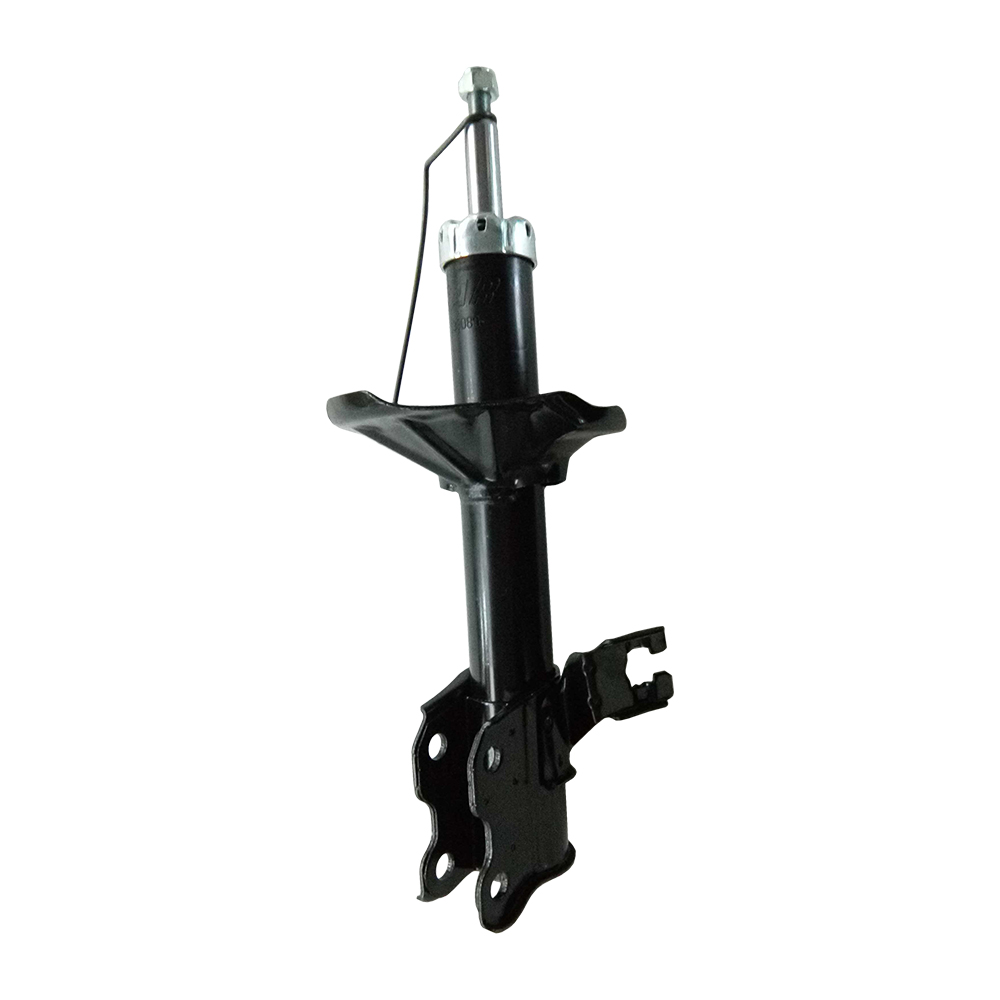
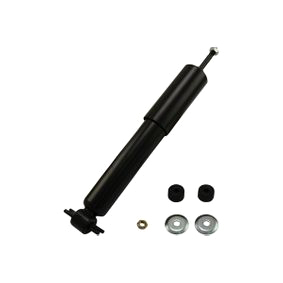 Mitsubishi Pajero Front Shock Absorber for First GenerationDesigned for the Mitsubishi Pajero I (1982-1991), this front shock absorber suits expedition and off-road use. Its valving is tuned for demanding conditions, supporting the need for separate off-road damping rather than generic car parts.View Product →
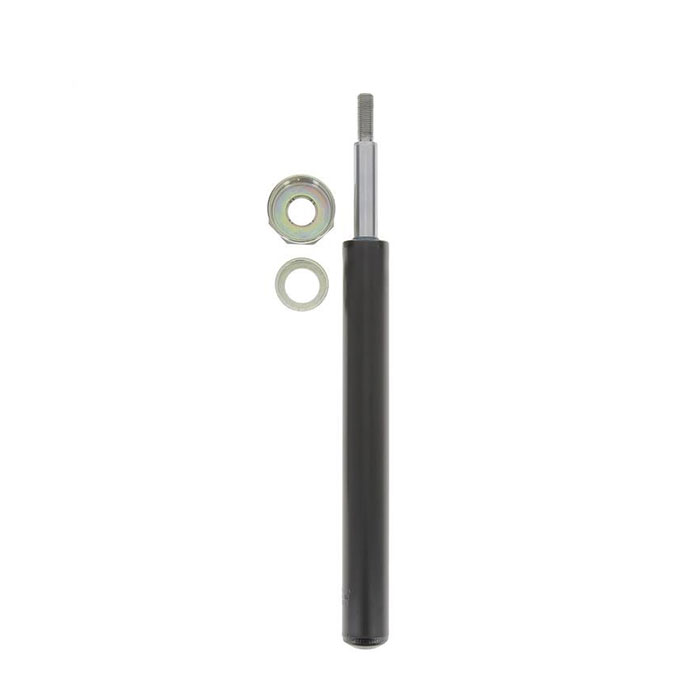
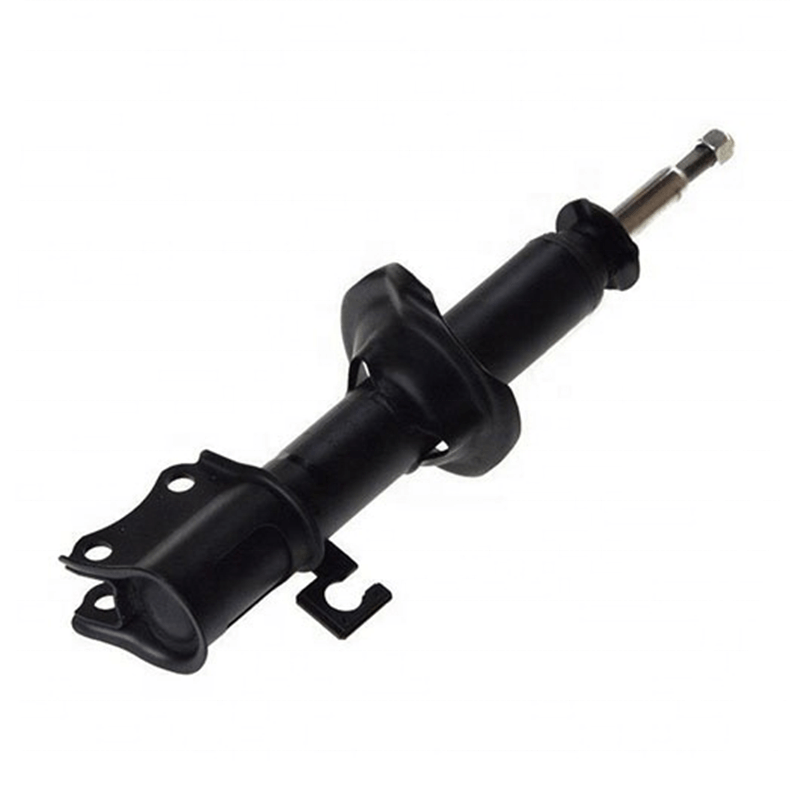
 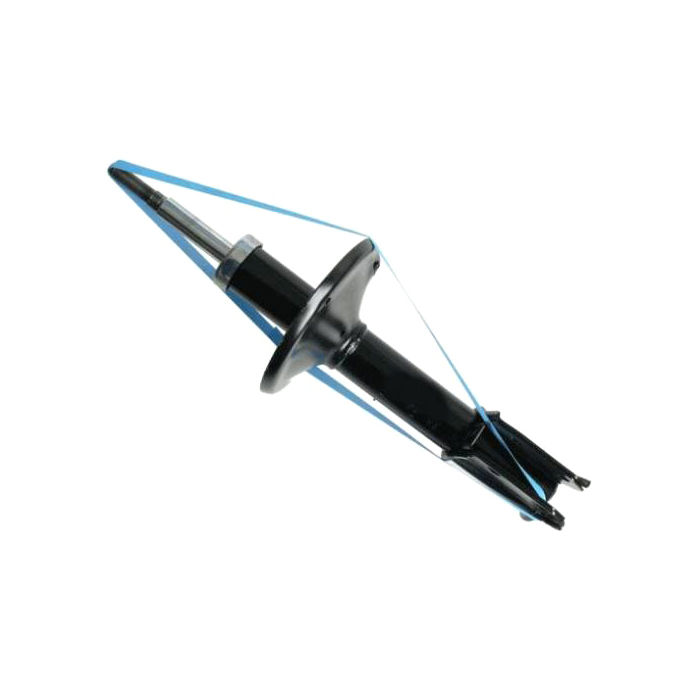 Heavy Duty Truck Shock Absorbers from Factory LineManufacturer's heavy-duty truck shock absorbers are produced as a dedicated line for mining, construction, and freight applications. They cover models like Dacia Logan Pickup and Mitsubishi L200, with hydraulic and pneumatic types to ensure durability under heavy loads.View Product →
What to Verify Before Buying Automotive Suspension Parts in Bulk
Buyers should judge a supplier by catalog accuracy, batch consistency, and test evidence, not by price per unit.
- Fitment data: confirm front or rear position, OE number cross-reference, and whether mounting hardware is included.
- Damping type: choose twin-tube gas for most passenger cars and monotube for high-load or lifted applications.
- Critical dimensions: compare rod diameter, stroke length, and extended or compressed length with the original unit.
- Corrosion protection: check paint adhesion, rod coating, dust boot material, and bracket welds.
- Batch consistency: samples from different production lots should show the same damping force curve.
An OE-matched suspension part should bolt on without cutting, heating, or drilling. If installation requires modifying brackets, stop and confirm the part number.
Height-adjustable coilover kits add another layer of inspection. Thread quality, spring seat design, and damper body clearance determine whether the kit will remain adjustable after 20,000 km. These kits are an important aftermarket category because they combine spring rate selection with ride-height adjustment.
Frequently Asked Questions About Key Developments in Automotive Suspension Parts
The direct answers below cover the decisions that come up most often when sourcing suspension parts.
What is the most important development in automotive suspension parts right now?
The most important development is the move from generic replacement dampers to application-specific valving and sensor-ready designs, driven by adaptive damping and older vehicle fleets.
Do I need an adaptive damper for an ordinary family car?
No. A high-quality twin-tube gas shock absorber remains the correct choice for most standard passenger cars, and adaptive dampers only add value when the vehicle was originally engineered for them.
How often should shock absorbers be replaced?
Typical service life is 80,000 to 100,000 km under normal road conditions. On rough roads, with heavy loads, or with worn springs, replacement at 60,000 km or less is realistic.
Are aftermarket suspension parts safe if they are not original equipment?
Yes, when they match OE dimensions, mounting geometry, and damping behavior. Independent manufacturers such as Gerep Automotive Parts Mfg Co., Ltd. build replacement dampers around vehicle model and position, which can match factory performance at a lower procurement cost.
Latest News
-
Key Developments in Automotive Suspension Parts: Trends to Watch in 2026
A workshop in the UK orders a rear damper for a 2012 Audi A4 and receives a twin-tube gas shock wi...2026-10-07
-
Innovations Driving the Automotive Suspension Market: What Buyers Need
Replacing a shock absorber on a 2024 battery-electric sedan is not the same job it was five years ...2026-09-30
-
How Shock Absorbers Improve Vehicle Performance: Damping, Braking & More
At 96 km/h, a family sedan with worn shock absorbers can need roughly six more metres of road to s...2026-09-22
-
Bypass Shocks: Internal vs External Explained for Truck and SUV Owners
When your vehicle’s suspension starts feeling floaty or bottoms out over bumps, the term “bypass sh...2026-09-17
-
4x4 Shock Absorbers: Choosing, Replacing, and Upgrading for Off-Road SUVs
Your 4x4 feels unsettled on gravel, the rear end sways after a bump, and the tyres are wearing fast...2026-09-11
-
Shock Absorber Replacement Cost: Average Prices and Expert Labor Guide
Your service advisor hands you an estimate for replacing two rear shock absorbers: $680 for parts, ...2026-09-04
Quick Links
Contact Us
-
 +86-13757453333
 -
 +86-572-8355557
 -
 Caroline@gerep.cn
 -
 No. 36, South Zhenxing Rd., Zhongguan Town, Deqing County, Huzhou, Zhejiang, China
Please Enter Your Information
Copyright © Gerep Automotive Parts Mfg Co., Ltd. All Rights Reserved.
Custom Variable Durable Shock Absorbers Manufacturers
