 EN
EN  English
 Español

News
 Home / Blogs / Industry News / Bypass Shocks: Internal vs External Explained for Truck and SUV Owners
 Bypass Shocks: Internal vs External Explained for Truck and SUV Owners
 2026.09.17
 Industry News
When your vehicle’s suspension starts feeling floaty or bottoms out over bumps, the term “bypass shocks” often comes up in discussions among off-roaders and heavy-duty truck owners. The core idea is simple: a bypass shock absorber uses additional oil passages to create multiple damping zones, allowing the shock to remain soft over small bumps while progressively stiffening to prevent bottoming out on large impacts. But the real question is whether you need an internal bypass or an external bypass design, and how each affects ride quality, durability, and installation complexity. Here is a clear breakdown.
What Is a Bypass Shock Absorber?
A bypass shock absorber contains extra oil flow channels—called bypass tubes—that divert fluid around the main piston at specific points in the stroke. This creates distinct damping zones: a soft “ride zone” in the middle for normal driving, and progressively firmer zones near full compression or rebound to resist bottoming out and control large loads. The concept applies to two main layouts: internal bypass and external bypass.
Internal Bypass
Internal bypass shocks have the bypass passages machined into the inner wall of the shock body or into a separate sleeve inside the cylinder. The piston moves past these ports as it travels, gradually restricting flow. Because everything is contained inside the main shock tube, internal bypass shocks have a clean, compact exterior. They are typically lighter and easier to fit in tight suspension geometries.
External Bypass
External bypass shocks use separate tubes mounted on the outside of the main shock body to route oil around the piston. These external tubes usually contain adjustable valves or orifices, giving the tuner fine control over each damping zone. External bypass shocks are bulkier and require more mounting clearance, but they offer greater adjustability and can handle extreme heat better due to the additional oil volume and surface area for cooling.
Key Differences Between Internal and External Bypass
To help you quickly compare, here are the major performance and practical differences.
| Characteristic | Internal Bypass | External Bypass |
|---|---|---|
| Adjustability | Limited or non-adjustable (factory set) | Fully adjustable via external valve knobs |
| Heat Dissipation | Moderate (oil volume inside main tube) | Superior (extra tubes add oil capacity and cooling surface) |
| Size and Fitment | Compact, fits most stock suspension locations | Large, often requires relocation brackets or custom hoops |
| Ride Zone Softness | Good for daily driving and light off-road | Excellent; can be tuned very soft for washboard roads |
| Bottom‑out Resistance | Strong, but fixed curve | Very strong and user‑tunable |
| Typical Price Range | Lower (less complex manufacturing) | Higher (more parts and labor to assemble) |
The table shows that internal bypass suits most users who want improved off‑road capability without sacrificing daily comfort, while external bypass is for dedicated off‑roaders, racers, or those who need to dial in damping for specific terrain.
When to Choose Internal Bypass Shocks
Internal bypass shocks deliver the best balance for drivers who spend 90% of their time on pavement or mild gravel roads but occasionally hit serious washouts or speed bumps. Because the soft middle zone handles small irregularities without harshness, the cabin stays comfortable for passengers and cargo. At the same time, the progressive firming prevents the suspension from crashing onto the bump stops during a sudden pothole or a dip.
Another advantage is ease of installation. Since internal bypass shocks have the same external dimensions as standard shocks, they can be swapped in without modifying the vehicle’s shock mounts. This makes them a popular upgrade for SUVs and light trucks where a bolt‑on solution is preferred. If your vehicle is a common model such as an Audi A4 or a Honda Civic, you can often find direct‑fit internal bypass options.
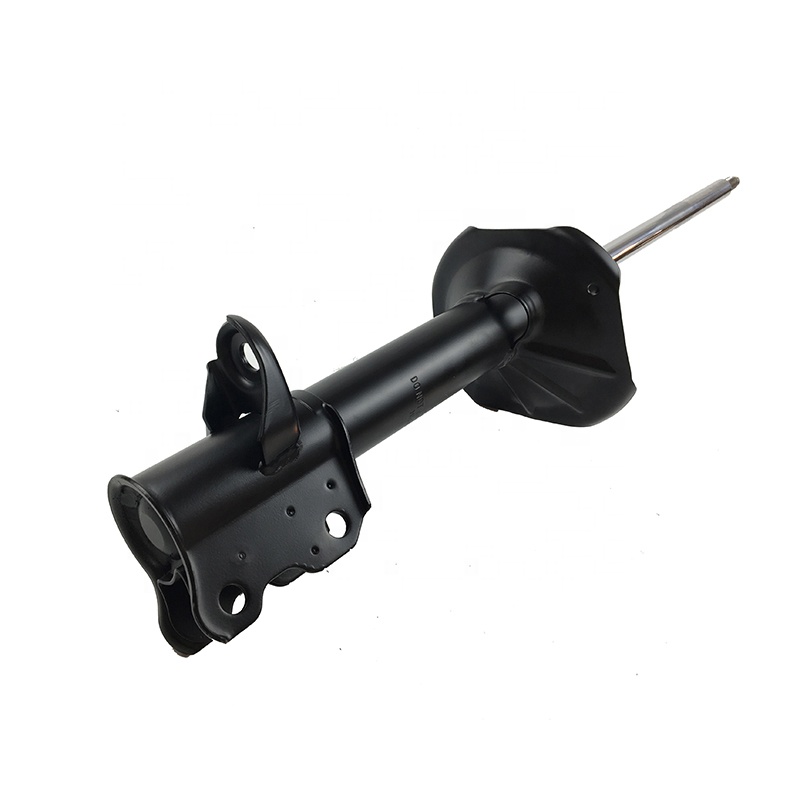
For example, a 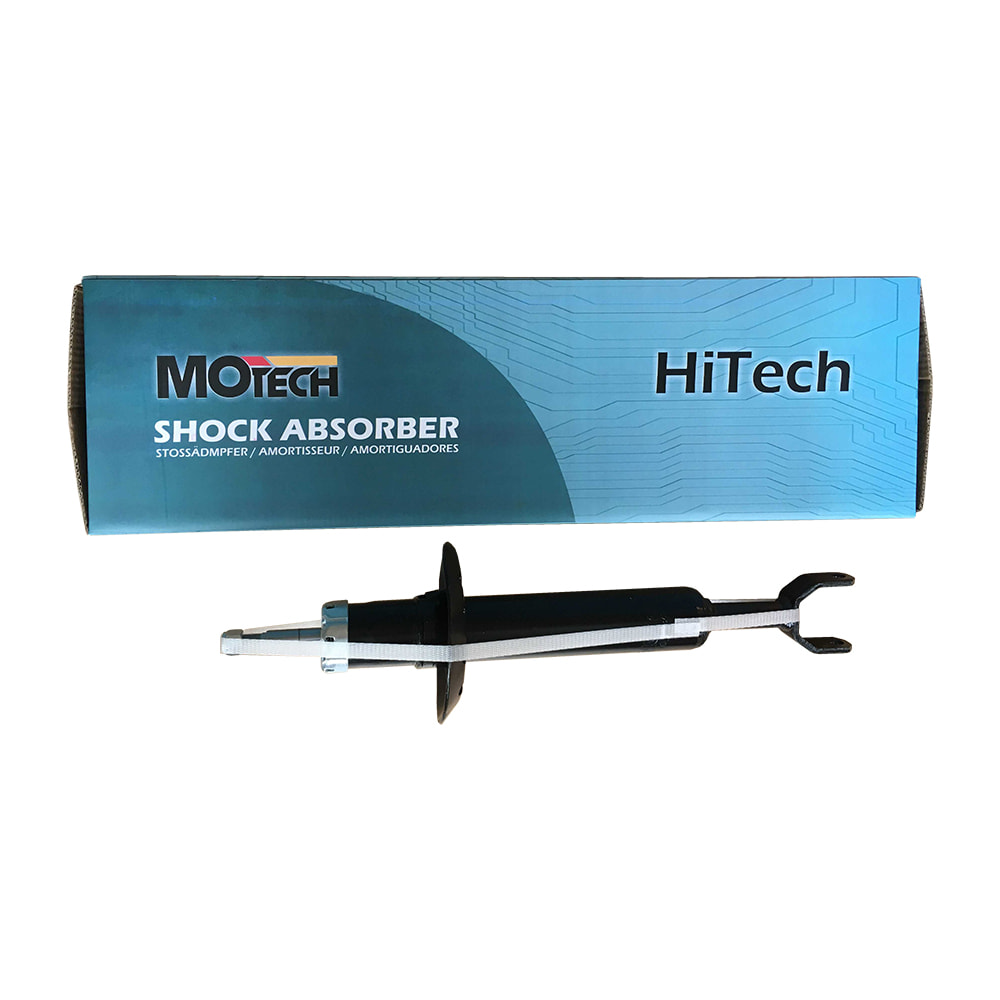 Audi A4 Front Shock Absorber for 1994-2001 ModelsDesigned for the A4 B5 generation, this front shock absorber offers a reliable replacement option that balances highway stability and off-road control with internal bypass technology.View Product → designed with internal bypass technology can provide the soft‑then‑firm damping curve that improves both highway stability and off‑road control without requiring extra brackets. Many fleet operators also favor internal bypass because the reduced complexity means fewer potential failure points and lower long‑term maintenance costs.
When to Choose External Bypass Shocks
External bypass shocks become necessary when the vehicle’s weight exceeds typical GVWR, or when the suspension experiences sustained high‑amplitude movements—like rock crawling, high‑speed desert running, or towing heavy trailers over undulating terrain. The external tubes allow the shock to move more oil, which helps dissipate heat faster. Overheated shocks lose damping effectiveness and fade, so external bypass is the go‑to choice for severe conditions.
Adjustability is another major reason to go external. With external bypass, you can independently tune low‑speed compression, high‑speed compression, and rebound by turning knobs on the tubes. This lets you stiffen up the shock for loaded highway driving and soften it again for a technical trail without changing the entire shock. However, the trade‑off is significant: installation requires more space and often professional welding or bracketry, and the shocks themselves are noticeably heavier.
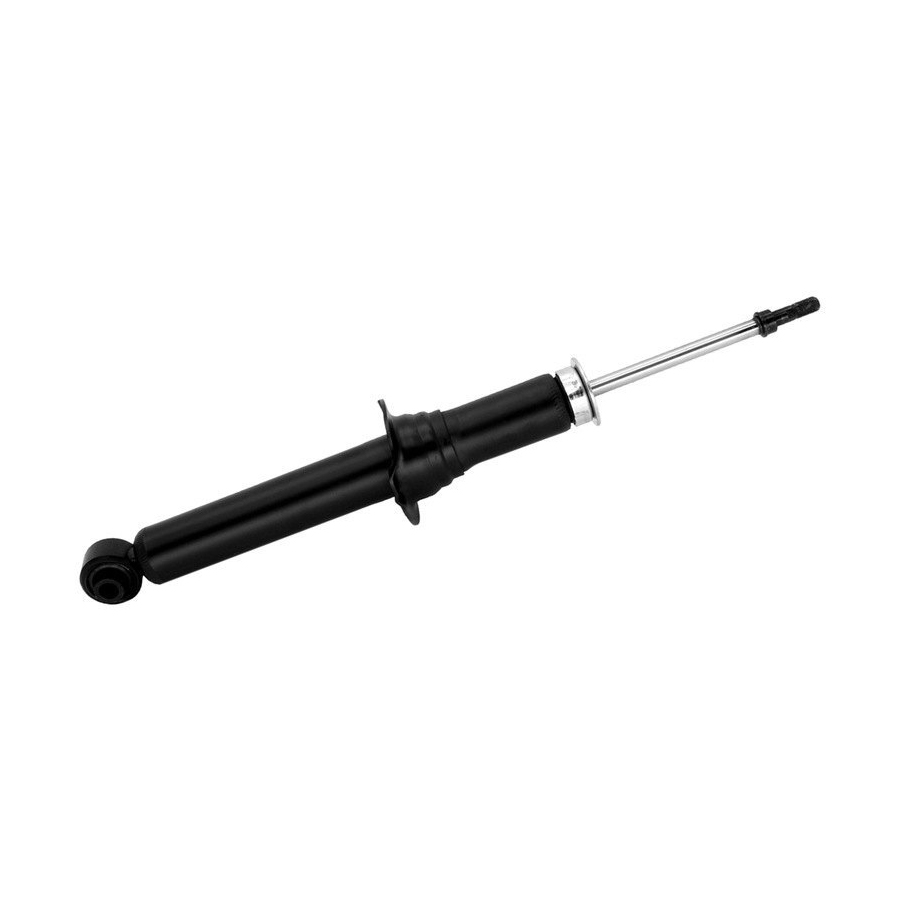
If you regularly haul construction materials or tow a trailer through mountain passes, an external bypass setup on a heavy‑duty truck can transform the ride from harsh bouncing to controlled damping. For reference, heavy‑duty truck shock absorbers on our product page cover many medium‑duty applications where external bypass technology could be integrated.
Important Factors Before Buying Bypass Shocks
Vehicle Compatibility
Not all vehicles can physically accommodate external bypass shocks without significant modification. Measure the compressed and extended length of your current shocks, check the available clearance at full droop and bump, and confirm that the shock body diameter will not hit frame rails or control arms. For most passenger cars and crossover SUVs, internal bypass is the only viable path.
Ride Quality Expectations
If you want a luxury‑car highway feel with better off‑road capability, internal bypass meets that need. If you want a race‑truck feel with ultimate control, external bypass delivers. Be honest about your usage: a dedicated crawler or desert truck benefits more from external, while a daily driver that occasionally hits dirt roads will be happier with internal.
Budget and Maintenance
External bypass shocks cost significantly more—often double or triple the price of internal bypass units. They also require periodic seal checks and oil changes because the external tubes have more potential leak points. Internal bypass units are simpler and can often last as long as a quality standard shock before needing rebuild.
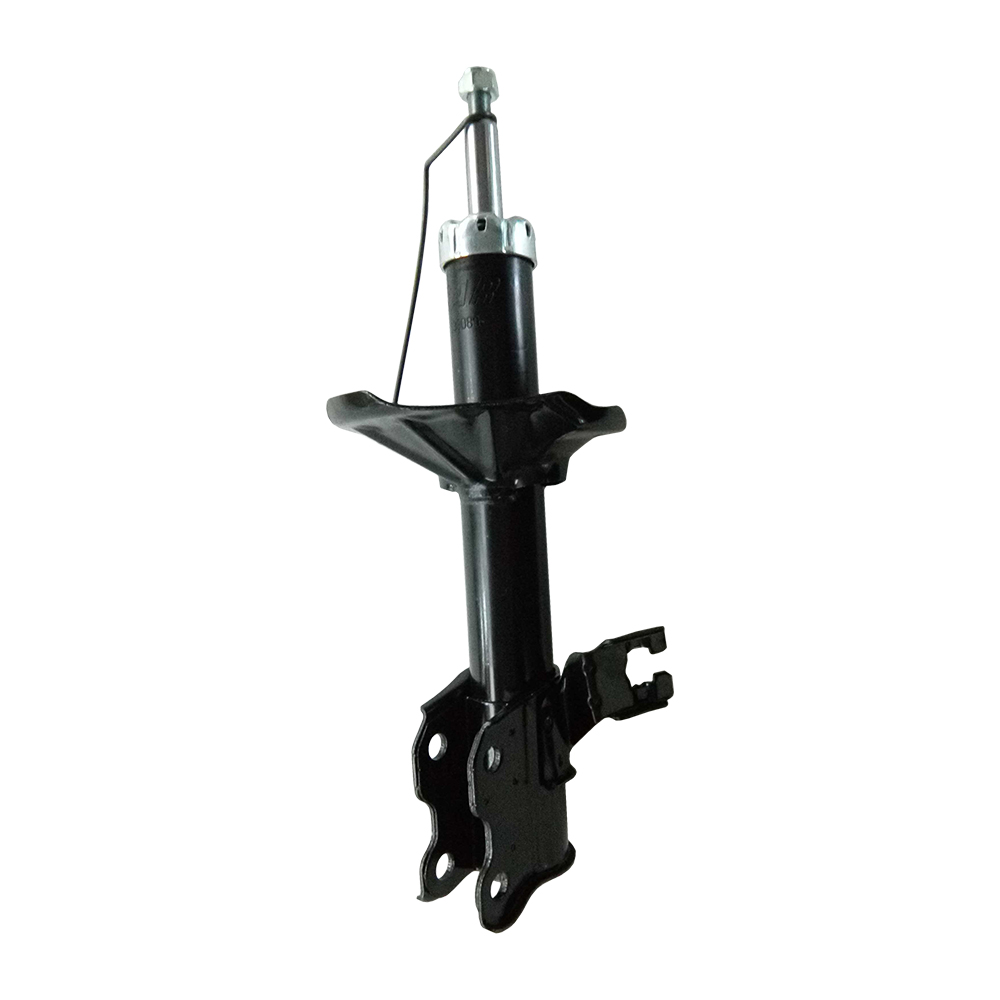
For those looking to replace a worn‑out suspension on a reliable sedan, consider a  Toyota Auris Front Shock Absorber for 2006-OnwardsA cost-effective upgrade for the Toyota Auris, this front shock absorber delivers improved damping control and a noticeable ride quality improvement for daily driving.View Product → as a cost‑effective upgrade that still delivers improved damping control over OEM equipment. The same logic applies to
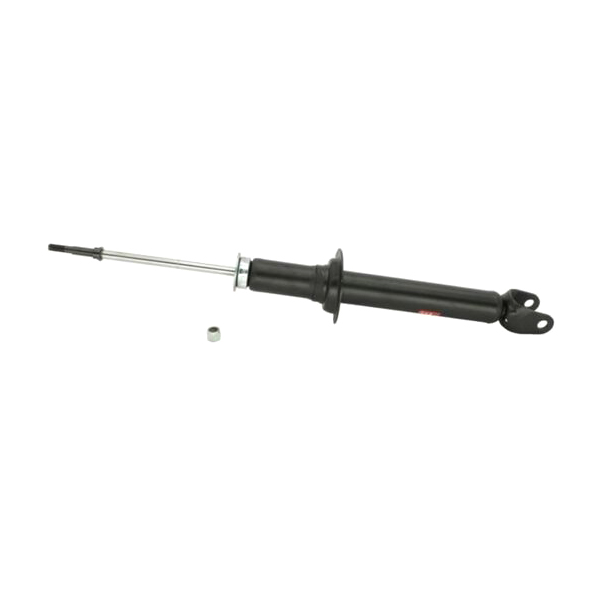
 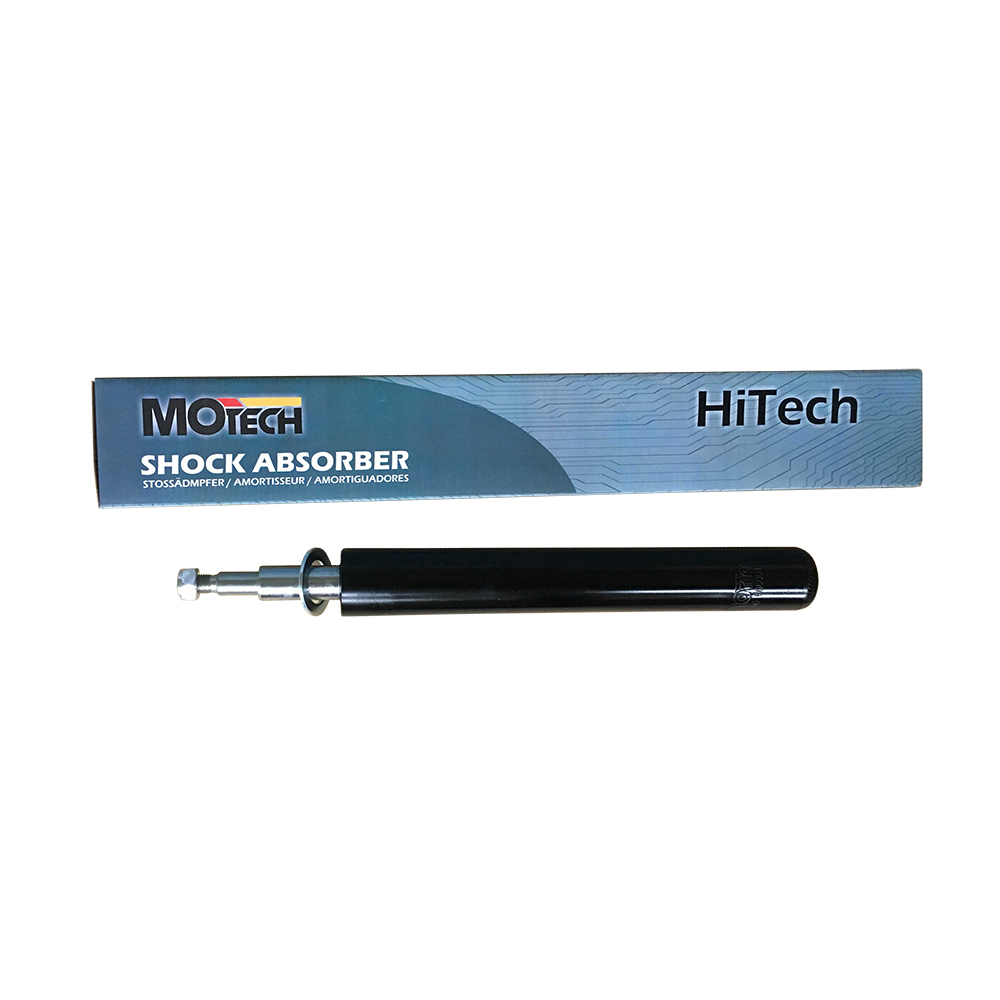 BMW 3 Series Front Shock Absorber for 1975-1984 ModelsSuitable for the E21 generation, this front shock absorber provides a practical replacement that enhances damping control and ride comfort for everyday use.View Product → where internal bypass versions offer a noticeable ride improvement for daily driving.
Final Recommendation
For most SUV, truck, and passenger car owners, internal bypass shocks are the smarter investment. They provide the soft ride zone that eliminates harshness on everyday roads, plus the bottom‑out protection that saves your suspension during unexpected impacts. External bypass shocks are reserved for extreme off‑roaders and those who need tunability for varying loads. Always match the shock technology to your real driving environment—not to the marketing hype. If you need guidance on selecting the right fitment, consult our FAQ for more details on shock absorber specifications and installation.
Latest News
-
Bypass Shocks: Internal vs External Explained for Truck and SUV Owners
When your vehicle’s suspension starts feeling floaty or bottoms out over bumps, the term “bypass sh...2026-09-17
-
4x4 Shock Absorbers: Choosing, Replacing, and Upgrading for Off-Road SUVs
Your 4x4 feels unsettled on gravel, the rear end sways after a bump, and the tyres are wearing fast...2026-09-11
-
Shock Absorber Replacement Cost: Average Prices and Expert Labor Guide
Your service advisor hands you an estimate for replacing two rear shock absorbers: $680 for parts, ...2026-09-04
-
Struts vs Shocks vs Springs: Suspension Parts Explained for Car Owners
Your suspension starts making noise, and the shop says you need a new strut. You ask whether that i...2026-08-28
-
Shocks vs Struts: What's the Difference and How to Choose the Right Suspension Part
When one repair shop says your car needs a strut and another says it needs a shock absorber, the tw...2026-08-21
-
Coilovers vs Struts: Key Differences, Ride Quality, and How to Choose the Right Setup
The Short Answer Standing in front of two suspension parts that look almost identical, it is easy t...2026-08-14
Quick Links
Contact Us
-
 +86-13757453333
 -
 +86-572-8355557
 -
 Caroline@gerep.cn
 -
 No. 36, South Zhenxing Rd., Zhongguan Town, Deqing County, Huzhou, Zhejiang, China
Please Enter Your Information
Copyright © Gerep Automotive Parts Mfg Co., Ltd. All Rights Reserved.
Custom Variable Durable Shock Absorbers Manufacturers
