 EN
EN  English
 Español

News
 Home / Blogs / Industry News / Shock Absorber Replacement Cost: Average Prices and Expert Labor Guide
 Shock Absorber Replacement Cost: Average Prices and Expert Labor Guide
 2026.09.04
 Industry News
Your service advisor hands you an estimate for replacing two rear shock absorbers: $680 for parts, labor, and an alignment. The car is a 10-year-old family sedan, not a luxury import. Is that reasonable? The correct answer depends on a distinction many estimates fail to make clear: shock absorbers and struts are not the same component, and their replacement costs follow different rules.
For most conventional cars, shock absorber replacement cost lands between $150 and $1,500 for one axle, with the cheapest work being a simple rear shock swap and the highest being front struts or adaptive suspension. When you understand what changes the price, you can judge any quote without guessing.
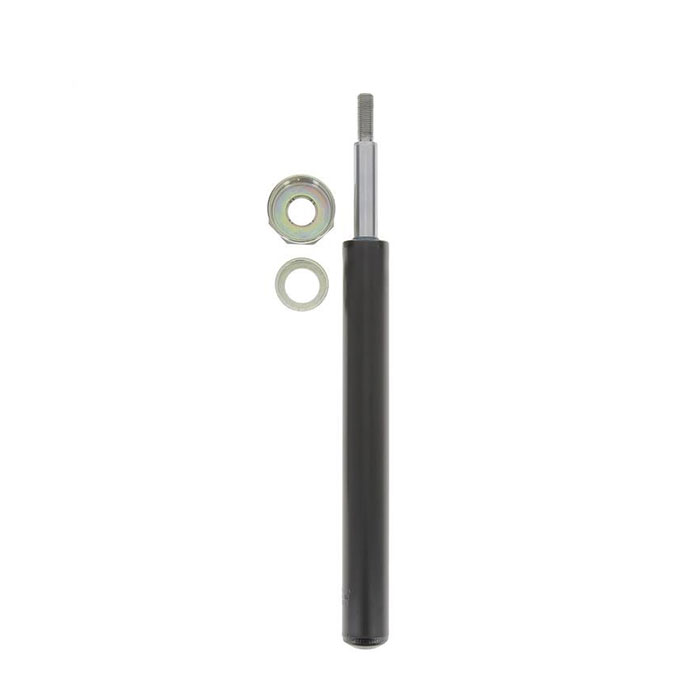
Know Whether You're Paying for a Shock or a Strut
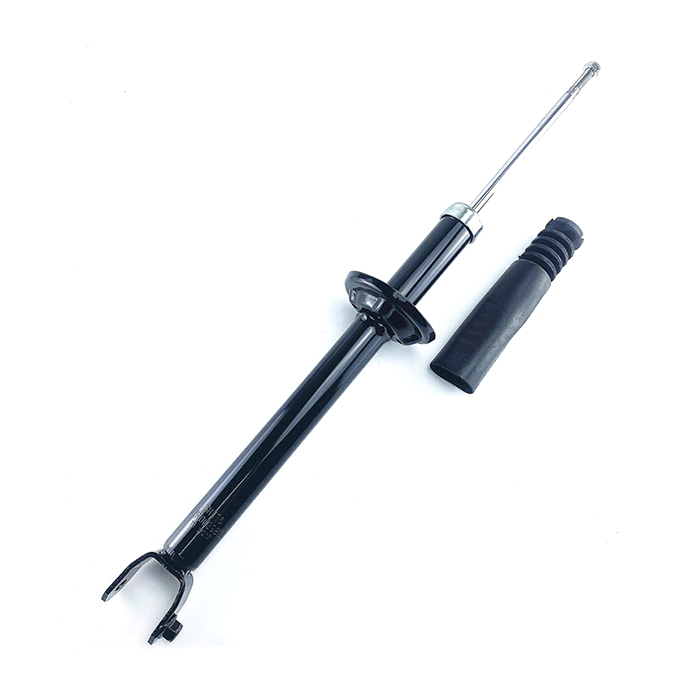
Shock absorbers and struts are often grouped together in workshop language, but the repair bill is not the same. A shock absorber is a damper that bolts between the frame or body and the suspension arm. It controls spring oscillation but does not support the vehicle's weight by itself. A strut is a structural suspension component: it supports the coil spring, holds the wheel alignment, and usually connects to the steering knuckle. Because a strut assembly includes more metal, a top mount, and the spring, both its part price and labor time are higher.
| Configuration | What the quote usually includes | Parts per side | Typical pair installed |
|---|---|---|---|
| Bolt-on shock absorber | Damper only; the spring and mount are separate | $40-$130 | $180-$450 |
| Loaded strut assembly | Damper, coil spring, upper mount, boot, and often new fasteners | $130-$400 | $550-$1,300 |
| Adaptive or electronic damper | Damper with solenoid or sensor; may require calibration | $250-$900 | $700-$2,000 |
| Air suspension shock or spring unit | Damper integrated with an air spring | $350-$1,200 | $1,000-$2,800 |
The numbers above are planning ranges, not point prices. A car can have struts in the front and separate shock absorbers in the rear, so an accurate quote may combine two different component types on the same vehicle.
Variables That Move Shock Absorber Replacement Cost
No single estimate fits every garage. The largest variables are the vehicle's suspension layout, the damper specification, and the labor time required to reach the fasteners.
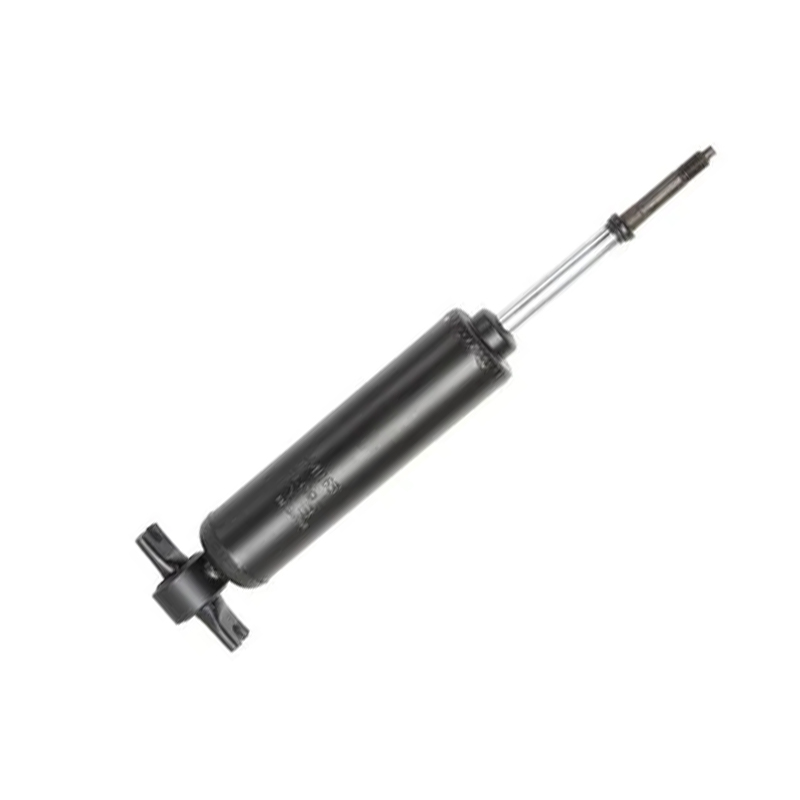
Vehicle application determines most of the parts price. A compact car has less sprung mass, so its dampers are shorter and lighter. Replacement front shock absorbers for a Honda Civic are generally easier to compare and more affordable than a larger SUV damper because the mounting points, rod length, and damping force are matched to a lighter platform. A taller, heavier vehicle creates more heat inside the damper and needs stronger seals and firmer valving, which is why off-road and SUV units sit higher in the estimate.
Axle location matters too. Rear shock replacements are frequently the least expensive job because the damper is outside the spring and can be unbolted with ordinary hand tools. Front strut replacements take longer because removing the upper mount, spring, and knuckle affects steering geometry and often makes alignment necessary. Light trucks and commercial vans add another cost level because their suspension arms are heavier and the hardware can corrode enough to require additional labor.
What the Final Quote Should Itemize
An estimate that simply says "shock package" is not enough. Before you approve the work, ask for a written breakdown that shows the part numbers and the exact labor operation. A fair quote should clearly state:
- Whether each listed part is a shock absorber, a loaded strut assembly, or a strut cartridge.
- The position of each part: left front, right front, left rear, or right rear.
- The number of labor hours and the shop's hourly rate.
- Whether a wheel alignment is included or quoted as an extra step.
- Whether related wear items such as bump stops, boots, top mounts, or mounting bolts are included.
- Any separate charges for shop supplies, hazardous waste disposal, or taxes.
The most common hidden cost appears when the shop disassembles the suspension and finds a boot torn or an upper mount worn. Ask the advisor to list those possible extra parts before the car goes on the lift, and confirm that you will be contacted before additional work is done.
Signs That a New Damper Is Actually Necessary
Shock absorber replacement cost is wasted money if the old part is still within specification. Look for these symptoms before spending your budget:
- A film of oil or wet dirt running down the damper body.
- The car keeps bouncing after two or three oscillations over a speed bump.
- The front dives heavily under braking or the body rocks noticeably in a lane change.
- Tires show cupped or scalloped wear on one edge.
- A knocking sound around the suspension when turning over rough pavement.
One sign alone may not mean the damper is bad, but two signs together justify a more detailed inspection. If the damper is visibly leaking or the vehicle feels unstable at highway speed, replacement should not wait.
How To Lower Replacement Cost Without Buying Cheap Parts
The lowest price on paper is not always the cheapest repair. A shop can cut the quote by leaving out alignment, reusing a damaged mount, or fitting a universal damper with the wrong valving. Use this approach to keep the final shock absorber replacement cost under control:
- Replace dampers as an axle set. Fitting one new damper beside a worn unit makes the other side feel loose, and the labor charge will have to be paid again sooner.
- Compare quotes with the same scope. One shop may quote loaded struts with new mounts, while the other quotes bare cartridges and plans to reuse old parts. The difference can exceed $400 without reflecting real value.
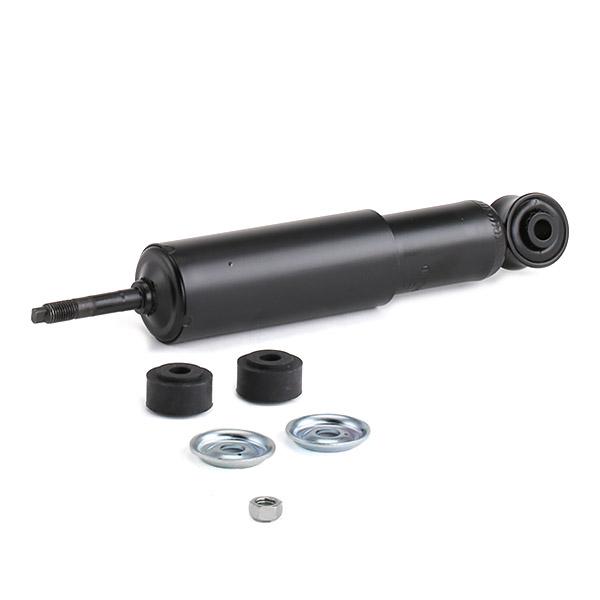
- Check vehicle-specific fitment before approving an aftermarket part. If you drive an off-road model, compare the rod diameter, extended length, and bushing style against a sedan damper. Heavy-duty front shock absorbers for a Jeep Cherokee are one practical example; they are built for a higher sprung weight and a more demanding duty cycle than a road-focused unit.
- Bundle related suspension work. If sway-bar links, ball joints, or control-arm bushings are already worn, replacing them in the same visit saves labor because the suspension is already apart.
- Ask whether a preassembled loaded strut or a complete coilover is available for your car. The assembly costs more in parts, but it can reduce labor risk and time. This is especially useful when the car has high mileage and old springs or mounts are likely to fail soon after the damper work.
- Keep the alignment invoice and the parts receipt in one file. A later tire-wear complaint is easier to investigate when the shop documented what was set after the replacement.
Common Shock Absorber Replacement Cost Questions
Why do two shops in the same city give me completely different prices?
The usual reason is scope, not greed. One estimate may cover two loaded strut assemblies, new top mounts, and a four-wheel alignment. The other may cover two bare strut cartridges while reusing the old springs and mounts. Ask both shops for the same written list of parts, labor hours, and alignment, then compare the final number again.
Can I replace only one shock absorber to save money?
For normal street driving, no. A new damper on one side sits beside an old damper that has lost some of its internal pressure. The left and right wheels will control motion at different speeds, which can make the car pull or wander under braking. The small saving on the second part is not worth the risk to handling and tire wear.
Do I really need an alignment after replacing shocks or struts?
If the front strut assembly or steering knuckle was removed, an alignment is strongly recommended because removing those parts can change camber and toe. For a simple rear shock absorber swap on a suspension without adjustable rear angles, some shops can inspect the existing alignment marks and explain why they do not recommend a full four-wheel setting. Ask the service advisor to write that reasoning on the invoice.
Is a weekend DIY shock replacement worth the risk?
DIY labor can save $100 to $250 on a simple rear shock job. Front struts are riskier because you need a spring compressor, precise torque specifications, and jacks suitable for supporting the suspension. If a corroded bolt snaps or a compressed spring slips, the repair can easily become more expensive than a professional job.
Use the figures in this guide as a planning range, not a fixed price. A fair shock absorber replacement quote names the component type, identifies each part as a shock or a strut assembly, covers dampers in axle pairs, and clearly shows labor and alignment charges.
If your workshop, distributor, or fleet operation wants to compare sourcing costs before approving a large order, contact the factory directly to confirm vehicle applications, packaging options, and supply terms.
Latest News
-
The Future of Automotive Suspension Technology: Hydraulics, Electronics, Energy Recovery
A workshop quoting dampers for a 2012 Land Cruiser and a 2025 electric crossover is quoting two di...2026-10-21
-
Advances in Automotive Shock Absorber Technology: What Changed and What to Buy
A 2026-model electric mid-size SUV carries roughly 350 to 400 kg more sprung mass than the combust...2026-10-14
-
The 140th Canton Fair
Heading to Canton Fair 140th 2026 Source factory of auto spare parts. shock absorber Reliable qualit...2026-10-10
-
Key Developments in Automotive Suspension Parts: Trends to Watch in 2026
A workshop in the UK orders a rear damper for a 2012 Audi A4 and receives a twin-tube gas shock wi...2026-10-07
-
Innovations Driving the Automotive Suspension Market: What Buyers Need
Replacing a shock absorber on a 2024 battery-electric sedan is not the same job it was five years ...2026-09-30
-
How Shock Absorbers Improve Vehicle Performance: Damping, Braking & More
At 96 km/h, a family sedan with worn shock absorbers can need roughly six more metres of road to s...2026-09-22
Quick Links
Contact Us
-
 +86-13757453333
 -
 +86-572-8355557
 -
 Caroline@gerep.cn
 -
 No. 36, South Zhenxing Rd., Zhongguan Town, Deqing County, Huzhou, Zhejiang, China
Please Enter Your Information
Copyright © Gerep Automotive Parts Mfg Co., Ltd. All Rights Reserved.
Custom Variable Durable Shock Absorbers Manufacturers
