 EN
EN  English
 Español

News
 Home / Blogs / Industry News / Struts vs Shocks vs Springs: Suspension Parts Explained for Car Owners
 Struts vs Shocks vs Springs: Suspension Parts Explained for Car Owners
 2026.08.28
 Industry News
Your suspension starts making noise, and the shop says you need a new strut. You ask whether that is the same as a shock absorber, and the answer sounds vague. It is not the same. A spring supports the vehicle, a shock absorber controls spring movement, and a strut combines damping with structural support. Knowing the difference helps you make a better repair decision and avoid buying a part that does not belong on your vehicle.
Springs: The Foundation of Every Suspension
Every vehicle sits on springs. Coil springs are common in passenger cars; leaf springs and torsion bars appear in trucks and vans. Their job is to support the static weight of the vehicle and absorb the initial impact when a wheel hits a bump. A spring stores energy as it compresses and releases it when it extends. Without a damper, that energy keeps the vehicle bouncing long after the bump is gone.
Springs also set ride height. A sagging spring changes suspension geometry, puts extra load on the damper, and can cause premature wear on other parts. Springs are replaced less often than shocks or struts, but they remain an important part of any suspension inspection.
Shock Absorbers: Damping Without Structural Duty
A shock absorber, often called a damper, is a separate hydraulic component. It attaches between the suspension arm or axle and the vehicle body, and it controls the movement of the spring. The damper pushes oil through internal valve passages as the piston moves, converting kinetic energy into heat. That heat is absorbed by the shock body and dissipated.
The important point is that a shock is not a structural member. If you remove a shock, the vehicle remains at normal height because the spring still carries the weight. The problem is control: the spring oscillates freely, causing unstable handling and a bouncy ride. Vehicles with a separate frame, such as older body-on-frame SUVs and pickup trucks, often use shocks with coil or leaf springs. The same layout appears on the rear axle of many modern cars.
Struts: The Structural Damper
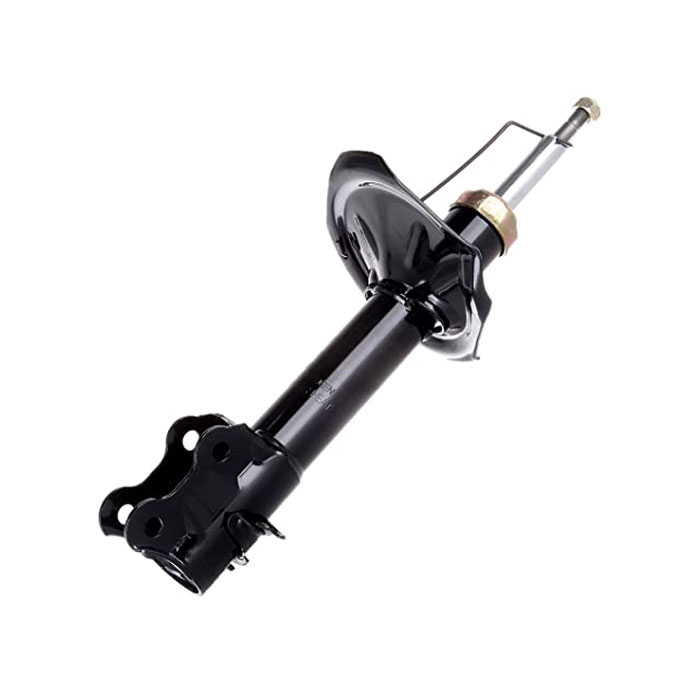
A strut is a more complex component. It contains a damper in the same housing as the spring seat and upper mounting point, and the strut body itself is a structural part of the suspension. In a MacPherson strut layout, the strut connects the lower control arm to the wheel well and forms the upper steering pivot. It maintains camber angle and helps locate the wheel.
Because of this, a worn strut does more than produce a bouncy ride; it can shift alignment and cause uneven tire wear. Replacing a strut usually means removing the entire assembly, transferring the spring to the new unit, and often resetting the alignment. That is why the cost is higher than a conventional shock.
Struts vs Shocks vs Springs at a Glance
Both shocks and struts are sometimes called shock absorbers by counter staff, but the engineering roles are different. The table below is a quick reference:
| Component | Main Function | Supports Vehicle Weight? | Structural Role? | Common Wear Sign |
|---|---|---|---|---|
| Spring | Supports weight and absorbs impacts | Yes | No | Sagging or broken coil |
| Shock absorber | Controls spring motion | No | No | Fluid leak or bouncing |
| Strut | Controls spring motion and supports suspension | Yes | Yes | Clunking and misalignment |
Most passenger cars have four damping units: two front and two rear. The front suspension commonly uses struts on unibody vehicles, while the rear may use struts or shocks depending on the platform. Full-frame trucks often use shocks in all four corners. The rule is not about shock vs strut superiority; it is about matching what the vehicle was designed to use.
Signs That a Damper Needs Replacement
Shocks and struts wear gradually, so symptoms are easy to miss. Look for these signs:
- The vehicle keeps bouncing more than two times after you press the bumper and release it.
- Oil or fluid residue appears on the outside of the damper body.
- Cupped, scalloped, or unevenly worn tire tread.
- A clunking or rattling sound over speed bumps and rough pavement.
- The nose dives excessively under braking, or the rear squats under acceleration.
- The steering feels vague, or the car tracks toward one side.
Most manufacturers recommend an inspection around 50,000 miles, but real life varies. A vehicle used on rough roads, off-road, or with heavy loads can need replacement earlier. A low-mileage car with ten-year-old factory dampers can also be past its prime because seals and oil degrade with time.
How to Choose the Right Replacement Part
Replacement is not a one-size-fits-all job. Start by replacing dampers in pairs, both front or both rear, even when only one corner shows a leak. A fresh left strut and a worn right strut can produce different damping rates and make the car feel unstable in a lane change. Next, inspect the springs and mounts. If the spring is broken or rusted, the new strut will not last. If the mount has a cracked bearing, the assembly will still make noise. Use OE-style parts whenever possible because the valving and stroke are tuned for that vehicle.
Cost is another reason to know the difference. A standalone shock can be inexpensive because it includes fewer parts. A strut assembly carries the spring seat, upper mount, and possibly a steering bearing, so the unit price and labor are higher. Budget accordingly, but do not choose a part based only on price. A damper with incorrect valving can create a harsh or unstable ride and may not be safe under heavy load.
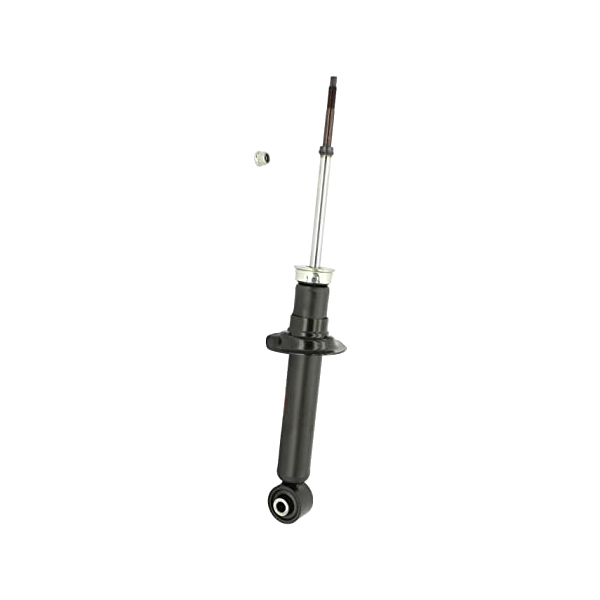
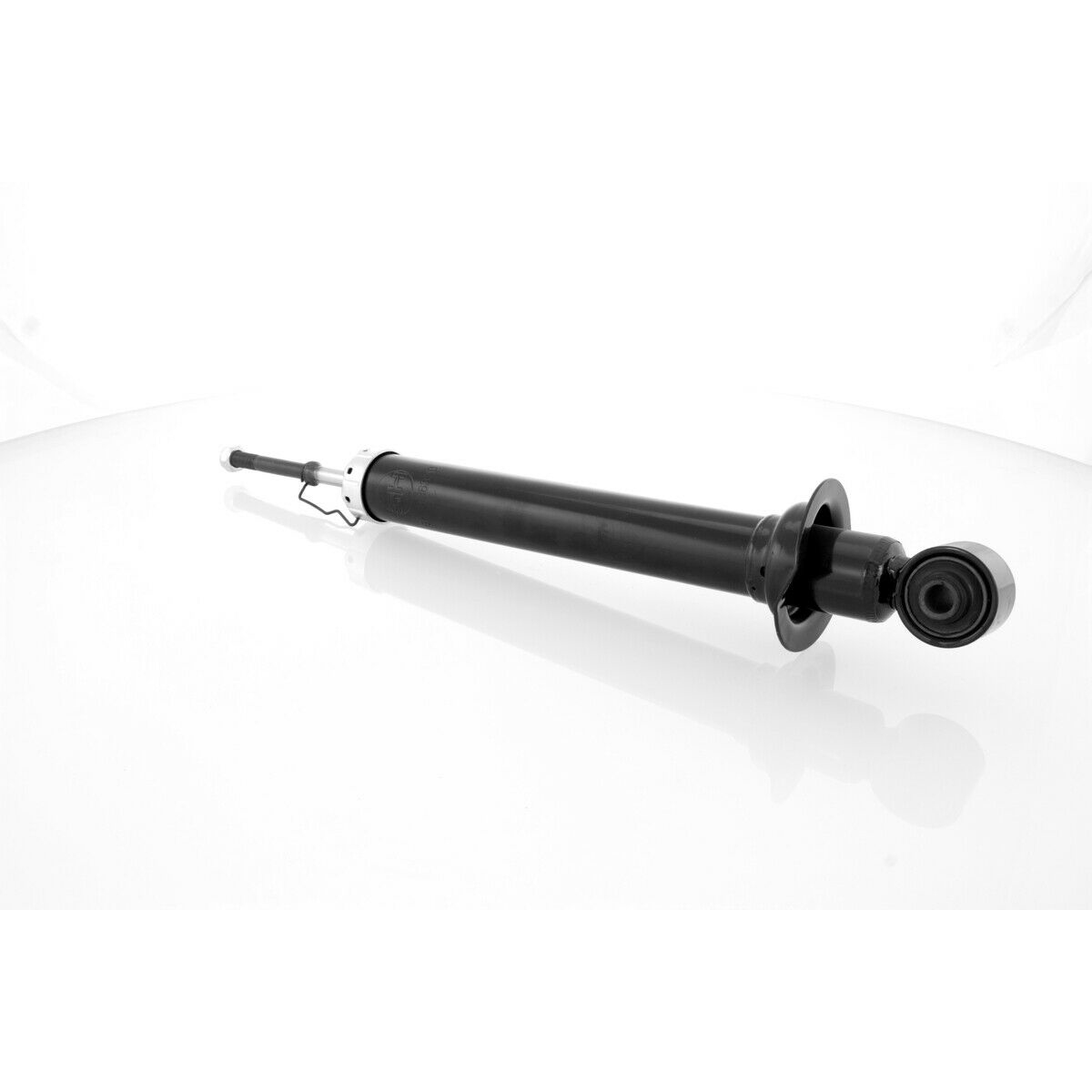
For most drivers, a direct-fit replacement is the safest route. At Gerep, the product line is organized by vehicle make and model. If you drive an Audi A4, Gerep front damper for the Audi A4 is built to match the original mounting points, stroke, and damping character. That level of fitment makes replacement straightforward.
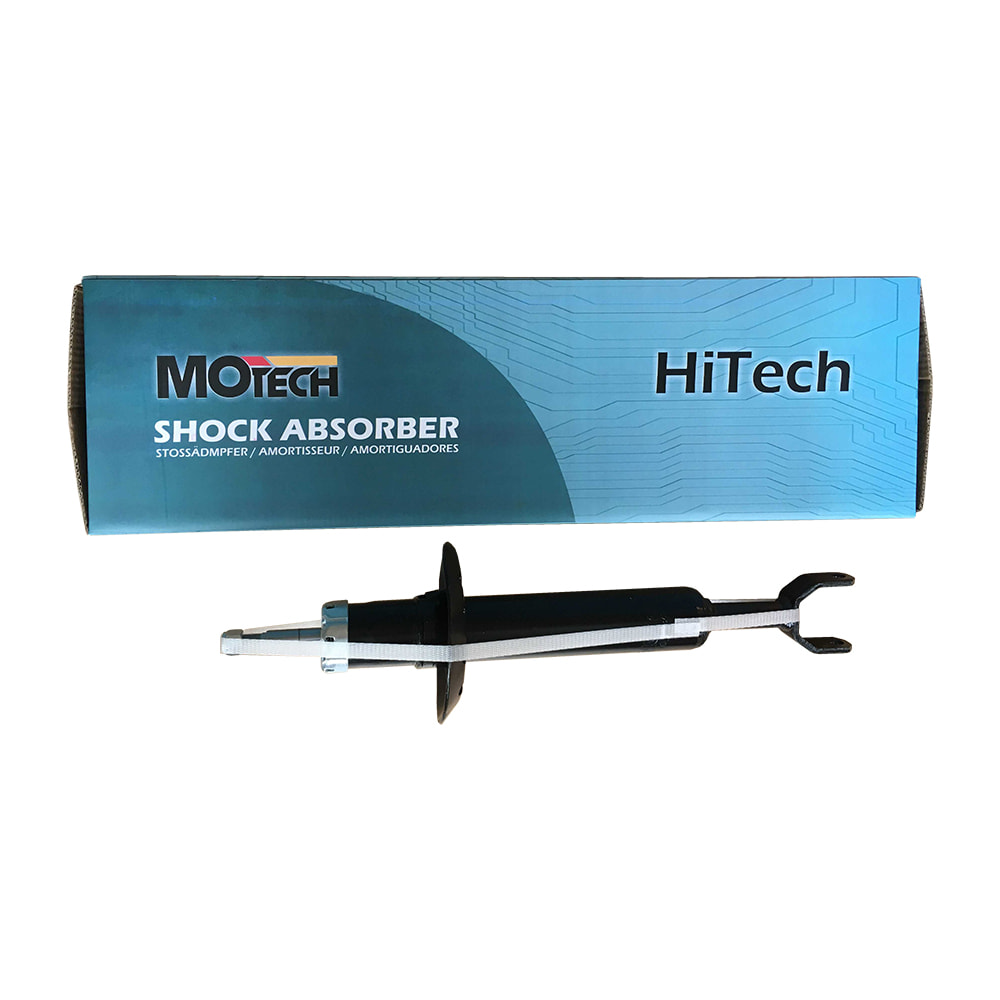 Wholesale AUDI A4 SHOCK ABSORBER Front Suppliers, FactoryGerep Automotive Parts Mfg Co., Ltd. is China Wholesale OEM/ODM AUDI A4 SHOCK ABSORBER Front Suppliers and AUDI A4 SHOCK ABSORBER Front F...View Product →
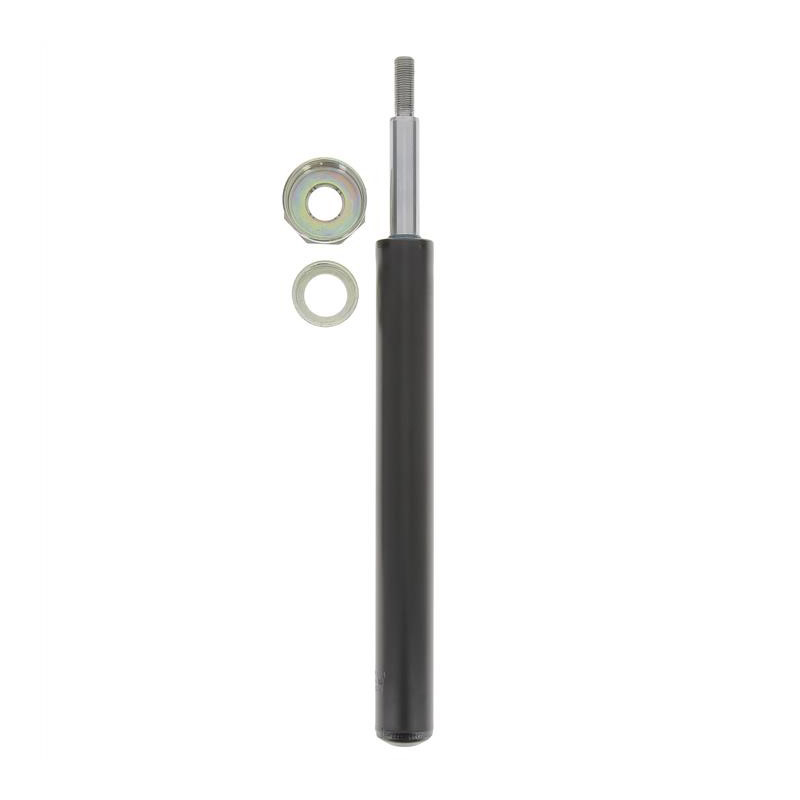
For a different type of build, a coilover kit combines a spring and damper into one adjustable unit. This is useful when you want to lower ride height or tune damping for performance. Gerep coilover kits are designed for passenger-car platforms and give you a single assembly with height adjustment, instead of mixing springs and shocks from different suppliers.
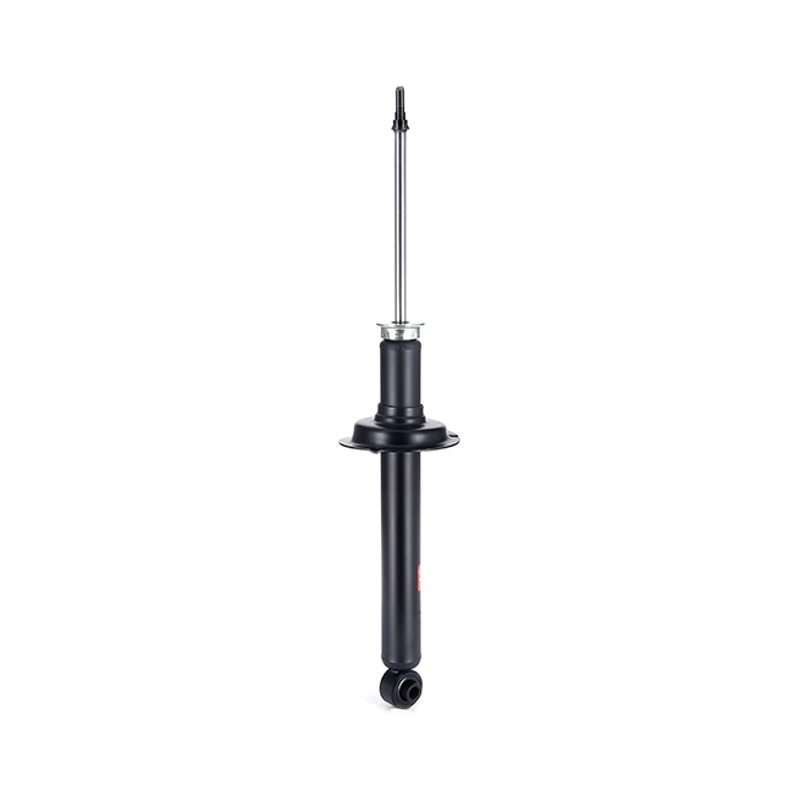
Work trucks need a damper that can handle load. Gerep heavy-duty shock absorber for the Hyundai H100/Porter uses a stronger design for long high-load trips and frequent stop-and-go driving. If you operate commercial vehicles, this is the difference between a damper that lasts and one that fades quickly.
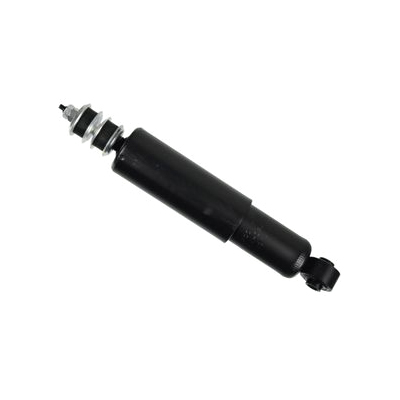 Wholesale HYUNDAI H100/PORTER SHOCK ABSORBER Front Suppliers, FactoryGerep Automotive Parts Mfg Co., Ltd. is China Wholesale OEM/ODM HYUNDAI H100/PORTER SHOCK ABSORBER Front Suppliers and HYUNDAI H100/PORTE...View Product →
Before you order, spend a minute to verify your platform. The Gerep application page lists supported brands and body styles, so you can check whether the part matches your vehicle and whether it fits the front or rear position.
Final Thoughts
The bottom line: springs hold the vehicle up, shocks control the springs, and struts do both while also supporting the suspension. When a shop recommends a strut, do not assume a shock will do the job. Check your owner’s manual or VIN-specific fitment, ask about the complete assembly, and replace in pairs. Suspension parts are a system, and a carefully chosen damper set makes the difference between a car that feels settled and one that never seems to stop moving. If you still have questions about fitment, the Gerep FAQ covers common ordering and compatibility points.
Latest News
-
The Future of Automotive Suspension Technology: Hydraulics, Electronics, Energy Recovery
A workshop quoting dampers for a 2012 Land Cruiser and a 2025 electric crossover is quoting two di...2026-10-21
-
Advances in Automotive Shock Absorber Technology: What Changed and What to Buy
A 2026-model electric mid-size SUV carries roughly 350 to 400 kg more sprung mass than the combust...2026-10-14
-
The 140th Canton Fair
Heading to Canton Fair 140th 2026 Source factory of auto spare parts. shock absorber Reliable qualit...2026-10-10
-
Key Developments in Automotive Suspension Parts: Trends to Watch in 2026
A workshop in the UK orders a rear damper for a 2012 Audi A4 and receives a twin-tube gas shock wi...2026-10-07
-
Innovations Driving the Automotive Suspension Market: What Buyers Need
Replacing a shock absorber on a 2024 battery-electric sedan is not the same job it was five years ...2026-09-30
-
How Shock Absorbers Improve Vehicle Performance: Damping, Braking & More
At 96 km/h, a family sedan with worn shock absorbers can need roughly six more metres of road to s...2026-09-22
Quick Links
Contact Us
-
 +86-13757453333
 -
 +86-572-8355557
 -
 Caroline@gerep.cn
 -
 No. 36, South Zhenxing Rd., Zhongguan Town, Deqing County, Huzhou, Zhejiang, China
Please Enter Your Information
Copyright © Gerep Automotive Parts Mfg Co., Ltd. All Rights Reserved.
Custom Variable Durable Shock Absorbers Manufacturers
