 EN
EN  English
 Español

News
 Home / Blogs / Industry News / Shocks vs Struts: What's the Difference and How to Choose the Right Suspension Part
 Shocks vs Struts: What's the Difference and How to Choose the Right Suspension Part
 2026.08.21
 Industry News
When one repair shop says your car needs a strut and another says it needs a shock absorber, the two quotes can feel like the same repair with different names. They are not the same part. A shock absorber dampens spring movement, while a strut is a load-bearing structural component that also provides damping. Getting the distinction wrong can lead to the wrong part, unnecessary labor, and an alignment bill you did not plan for. This guide explains the difference, how each component works, and what to verify before you buy.
What Does a Shock Absorber Do?
A shock absorber controls the up-and-down oscillation of the suspension springs. When a wheel rolls over a bump, the spring compresses and stores energy. When the spring extends again, that stored energy is released. Without a damper to control it, the vehicle would keep bouncing long after the bump is gone. The shock absorber converts that kinetic energy into heat by forcing hydraulic fluid through calibrated valves, which keeps the tire in contact with the road.
Shock absorbers do not carry the vehicle's weight. They are mounted between the chassis and a suspension arm, axle, or control arm, and they work as individual components parallel to the springs. That is why a worn shock usually does not make the vehicle sag; it makes it bounce, affects tire grip, and increases stopping distance.
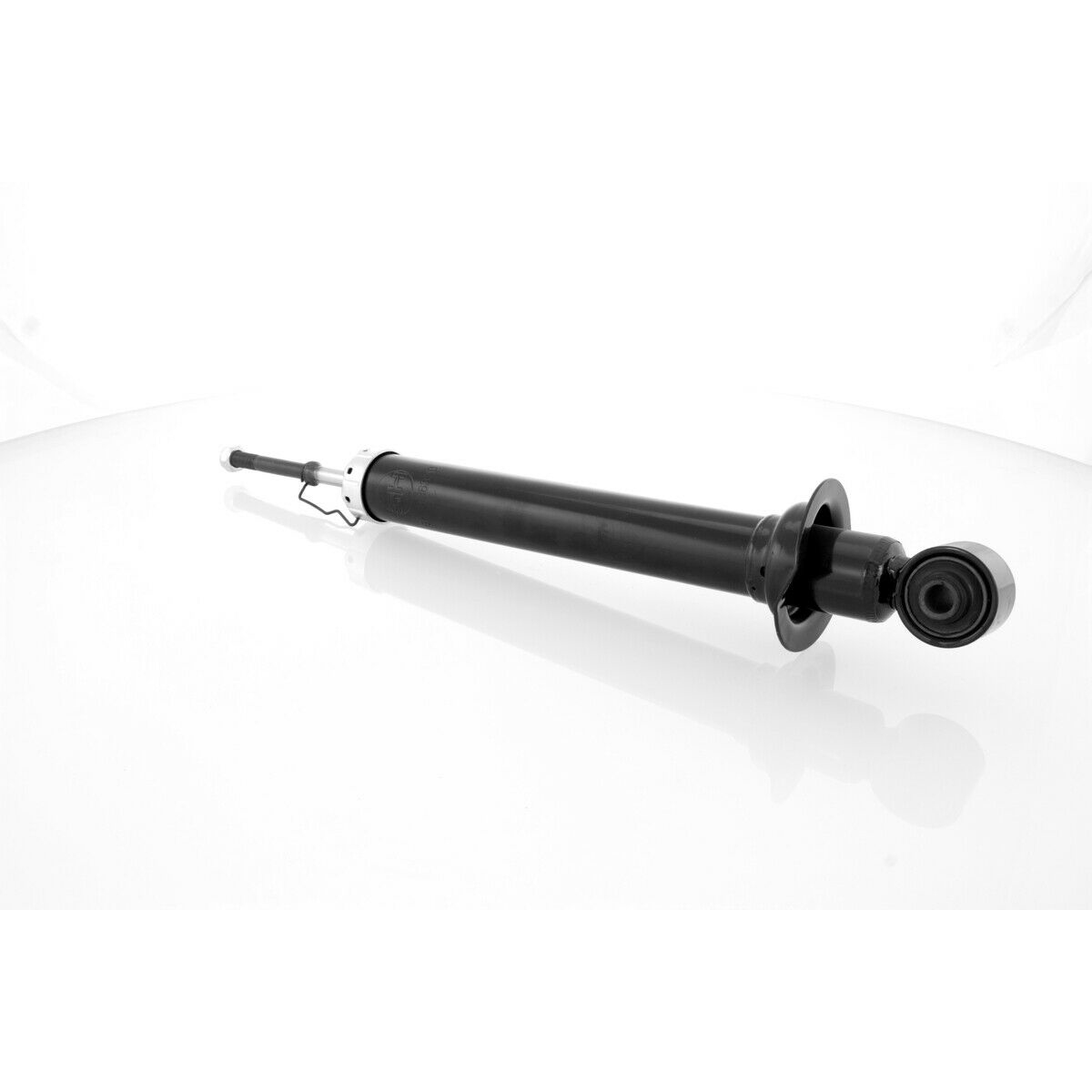
In technical catalogs, this part is often called a damper rather than a shock absorber. On vehicles with separate springs and dampers, replacement is a straightforward swap: release the mounts, remove the unit, and install the new one. A light commercial vehicle such as the Hyundai H100 Porter uses exactly that layout, so the correct part is a standalone damper such as this Hyundai H100 Porter front shock absorber rather than a strut assembly.
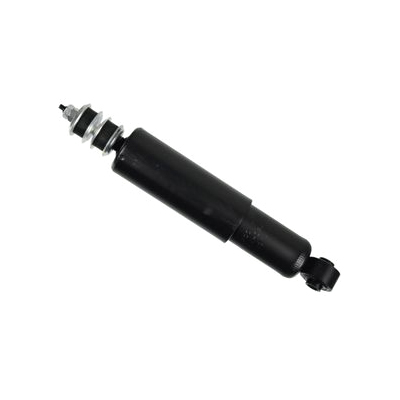 Wholesale HYUNDAI H100/PORTER SHOCK ABSORBER Front Suppliers, FactoryGerep Automotive Parts Mfg Co., Ltd. is China Wholesale OEM/ODM HYUNDAI H100/PORTER SHOCK ABSORBER Front Suppliers and HYUNDAI H100/PORTE...View Product →
What Is a Strut?
A strut is a shock absorber built into a structural assembly. In a MacPherson strut suspension, the strut connects the upper body mount at the top to the steering knuckle at the bottom and replaces the upper control arm. The coil spring sits on a spring seat around the strut housing, so the strut supports the vehicle's weight, keeps the wheel correctly positioned, and damps spring motion all at once.
Because a strut performs a structural role, it involves more than the damper itself. The assembly can include a coil spring, spring seat, upper mount, bearing, dust boot, and bump stop. When a strut wears out, these surrounding components are often in similar condition. That is why complete strut assemblies are common in the aftermarket: the spring, mount, and damper are replaced together, which saves labor time and reduces the chance of a second repair soon after the first.
Many unibody cars use struts at the front and shocks at the rear, and some use struts on all four corners. Body-on-frame trucks and SUVs, by contrast, usually use shocks at both ends because the frame already provides the structural support that a strut would otherwise supply.
Shock Absorber vs Strut: Key Differences
The central difference is structural. A shock absorber is a damping component; a strut is a damping component that also works as a suspension structure. The table below summarizes the factors that most often affect repairs and purchasing decisions.
| Factor | Shock Absorber | Strut |
|---|---|---|
| Structural role | Damps spring motion only; carries no vehicle weight | Damps spring motion and is a load-bearing suspension component |
| Primary components | Piston and cylinder, hydraulic oil, mounting bushings, dust boot | Damper housing, coil spring, spring seat, upper mount or bearing |
| Typical location | Between the chassis and a control arm or axle on trucks and body-on-frame SUVs | Front MacPherson suspension on unibody cars; some rear suspension designs |
| Effect when worn | Bouncing, longer braking distance, uneven tire wear | Same symptoms plus steering looseness, sag, and alignment problems |
| Replacement complexity | Usually a direct swap; alignment often not required | More involved; spring and mount may be replaced together; alignment recommended |
How to Tell Which One Your Vehicle Uses
The most reliable method is to check the workshop manual or the parts catalog for your exact model. Visual inspection also helps. Look at the suspension from behind the front wheel and ask these questions.
- Is the coil spring wrapped around the damper body, with the top of the assembly bolted to the body? That is a strut.
- Is the spring mounted on the control arm while a separate damper bolts to the chassis nearby? That is a shock absorber.
- Does the top of the damper connect directly to the steering knuckle or spindle? If yes, it is a strut; shocks normally attach to a bracket or bolt point.
If the vehicle has struts in the front and shocks in the rear, that is normal. The same logic applies to many SUVs that use a rear shock mounted behind the axle and a front strut assembly ahead of the steering knuckle.
Signs That a Shock or Strut Needs Replacement
Both components wear gradually, so symptoms are easy to write off as normal driving feel. The common warning signs are consistent for shocks and struts.
- Excessive bouncing after crossing a speed bump or dip
- Nose dive under hard braking or body roll through corners
- Visible oil leakage from the damper body
- Uneven or bald spots on the tires without another obvious cause
- Knocking or rattling from the suspension on rough roads
- Vague steering, wandering, or a shimmy at speed
Mileage is a loose guide. A damper that has lost its oil is no longer damping, even if the vehicle has low mileage. A strut with a damaged upper mount or a bent housing should be replaced as a unit, not refitted with a fresh insert, because the structural part itself is compromised. If the repair involves a strut, plan for a wheel alignment after the installation; shock replacement alone usually does not require one.
What to Check Before You Buy
When comparing parts, the important distinction is not the label but the suspension architecture the component is designed for. Before ordering, confirm the information below.
- Exact vehicle make, model, year, and engine version
- Whether the part is for the front or rear position
- Whether the unit is a standalone damper or a complete assembly with spring seat, mount, and bearing
- Mounting style, piston rod diameter, and extended and compressed lengths
- Gas or hydraulic design and any original equipment valving preferences
For workshop owners and distributors, consistency matters as much as the single part. A supplier that manufactures dampers in-house can control material quality, packaging, and batch consistency more tightly than one that rebrands from multiple sources. Gerep, for example, manufactures dampers for passenger cars, off-road SUVs, and trucks, and the company keeps its factory capabilities publicly documented for buyers who evaluate suppliers before sending an inquiry.
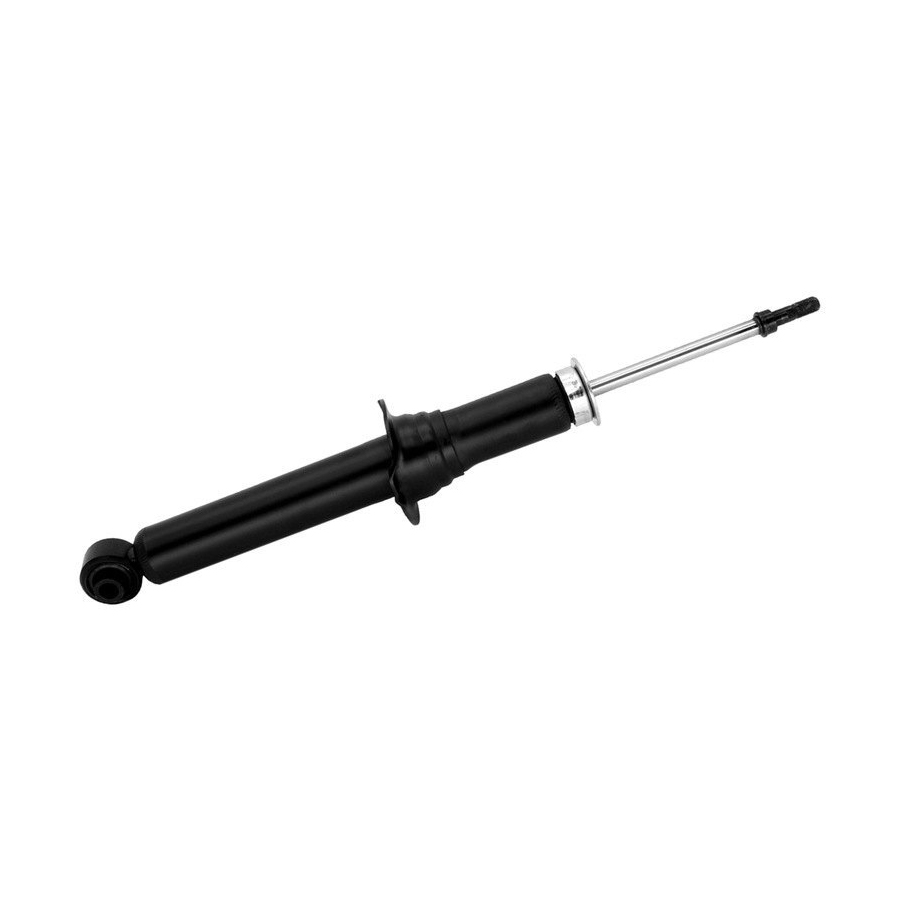
Off-road and SUV driving raises the performance bar. Heavier tires, higher loads, and unpaved roads create more heat and more stress on the damper. A front damper for a Grand Cherokee, for instance, needs different valving and rod travel than a sedan unit. A replacement such as this Jeep Grand Cherokee front shock absorber is built with those conditions in mind, which is why vehicle-specific matching matters more than a one-size-fits-all choice.
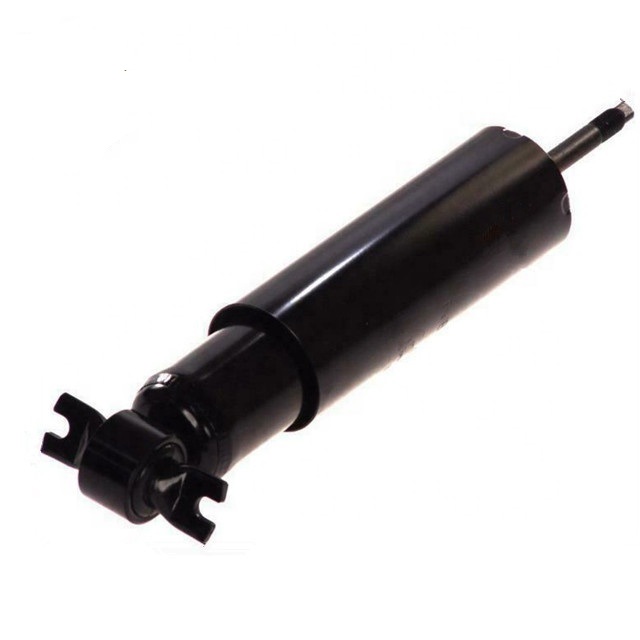 Wholesale JEEP GRAND CHEROKEE SHOCK ABSORBER Front Suppliers, FactoryGerep Automotive Parts Mfg Co., Ltd. is China Wholesale OEM/ODM JEEP GRAND CHEROKEE SHOCK ABSORBER Front Suppliers and JEEP GRAND CHEROKE...View Product →
Coilovers and Strut Assemblies: When an Upgrade Makes Sense
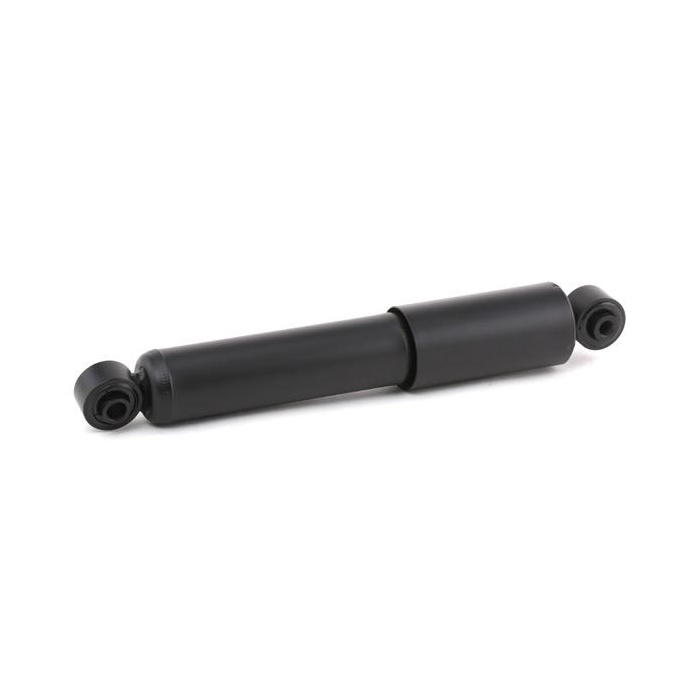
For owners who want adjustable ride height and firmer damping in a single unit, coilover kits are the usual route. A coilover is a damper with a threaded body and an adjustable spring perch, so the driver can lower or raise the vehicle and fine-tune the damping force. They are widely used for street performance, track days, and light off-road setups because they replace the complete strut assembly and the associated mount in one step. A set of coilover kits also simplifies inventory for a workshop, since one product covers both damping and spring adjustment.
Strut assemblies serve a different purpose for owners who simply want a reliable repair. Instead of pressing out a worn damper insert and reusing an old spring, a complete assembly includes the spring, seat, mount, and bearing, which removes guesswork and shortens installation time. The choice between a damper-only replacement, a full strut assembly, and a coilover depends on whether the goal is restoring original behavior, simplifying labor, or changing the vehicle's ride height.
Shocks and struts are not interchangeable names for the same part. The shock absorber is a damper; the strut is a damper and a structural suspension member combined. Both influence comfort, stability, tire wear, and braking, but the correct replacement depends on the vehicle's suspension design. When you buy, match the part to the architecture. When you source in volume, look for a supplier whose catalog covers both damper types across a broad range of suspension applications, so the right component is available when the vehicle in front of you is anything but typical.
Latest News
-
The Future of Automotive Suspension Technology: Hydraulics, Electronics, Energy Recovery
A workshop quoting dampers for a 2012 Land Cruiser and a 2025 electric crossover is quoting two di...2026-10-21
-
Advances in Automotive Shock Absorber Technology: What Changed and What to Buy
A 2026-model electric mid-size SUV carries roughly 350 to 400 kg more sprung mass than the combust...2026-10-14
-
The 140th Canton Fair
Heading to Canton Fair 140th 2026 Source factory of auto spare parts. shock absorber Reliable qualit...2026-10-10
-
Key Developments in Automotive Suspension Parts: Trends to Watch in 2026
A workshop in the UK orders a rear damper for a 2012 Audi A4 and receives a twin-tube gas shock wi...2026-10-07
-
Innovations Driving the Automotive Suspension Market: What Buyers Need
Replacing a shock absorber on a 2024 battery-electric sedan is not the same job it was five years ...2026-09-30
-
How Shock Absorbers Improve Vehicle Performance: Damping, Braking & More
At 96 km/h, a family sedan with worn shock absorbers can need roughly six more metres of road to s...2026-09-22
Quick Links
Contact Us
-
 +86-13757453333
 -
 +86-572-8355557
 -
 Caroline@gerep.cn
 -
 No. 36, South Zhenxing Rd., Zhongguan Town, Deqing County, Huzhou, Zhejiang, China
Please Enter Your Information
Copyright © Gerep Automotive Parts Mfg Co., Ltd. All Rights Reserved.
Custom Variable Durable Shock Absorbers Manufacturers
