 EN
EN  English
 Español

News
 Home / Blogs / Industry News / Coilovers vs Struts: Key Differences, Ride Quality, and How to Choose the Right Setup
 Coilovers vs Struts: Key Differences, Ride Quality, and How to Choose the Right Setup
 2026.08.14
 Industry News
The Short Answer
Standing in front of two suspension parts that look almost identical, it is easy to confuse a coilover with a strut. Both have a spring wrapped around a damper, both mount in the same corner of a car, and both control body motion. The distinction matters long before installation, because it changes what you buy, what you pay, and how the car will handle afterward.
Here is the short version: a strut is a structural suspension member that supports the vehicle's weight and locates the wheel while also damping movement. A coilover is an adjustable spring-and-damper assembly, often used to replace a strut, that adds ride-height and damping tuning. If you want a dependable factory-style replacement, choose a strut assembly. If you want to lower the car or tune handling, choose coilovers.
What Is a Strut?
A strut combines the damper, the coil spring, and the structural mounting into one assembly. In a MacPherson-strut front suspension, the strut body is also the locating link between the wheel hub and the body, which means it supports the vehicle's weight and controls wheel position. This structural role is the defining difference between a strut and a plain shock absorber.
The Role of a Strut in a MacPherson Suspension
When a strut works properly, the spring carries the static load, the damper controls the spring's motion, and the strut housing keeps the knuckle in the correct alignment plane. Because all three functions share one housing, any wear in the strut can show up as noise, uneven tire wear, steering vagueness, or a car that settles too low after a bump. On a typical sedan, the front suspension uses this type of strut, while the rear may use a separate spring and shock. That is why parts catalogs often mark a damper as front or rear.
Strut Assembly vs. Bare Shock Absorber
A shock absorber simply dampens motion and is mounted separately from the spring. A strut assembly includes the damper, spring, upper mount, and often a bearing seat in one preassembled unit. For repair shops, a complete strut assembly cuts labor time because the spring and mount do not need to be transferred from the old unit. The modern strut assembly manufacturing process is engineered to keep these tolerances consistent, which is one reason aftermarket assemblies have become a common replacement choice.
What Are Coilovers?
A coilover is a spring and damper arranged as a single unit, with the coil spring mounted over the shock body and held by an adjustable lower seat. The term comes from "coil spring over shock." In an aftermarket kit, coilovers usually include two matched front or rear units, springs with selected rates, adjustable perches, and sometimes camber-adjustable top mounts.
The Difference in Design Intent
Stock struts are engineered for one ride height and one damping curve. Coilovers are engineered for adjustment. The basic layout can look similar to a strut, but the intent is different: you can lower the car, change spring preload, and in many kits adjust rebound and compression damping. On a car that originally used MacPherson struts, a coilover strut replaces the original component and still carries the same loads. On vehicles with separate springs and shocks, a coilover shock can be added without creating a strut, because it does not locate the wheel. This is why the same phrase "coilover" can describe slightly different products depending on the car.
The Adjustments That Matter
- Ride height: Moving the spring perch up or down changes how low the car sits. A typical street coilover kit may allow a 30-60 mm drop, but the exact range depends on the design and spring travel.
- Spring preload: Adjusting the initial load on the spring changes ride height and how quickly the spring engages, without necessarily changing the spring rate.
- Damping: Adjustable rebound and compression clickers let you tune how fast the suspension recovers after hitting a bump. Softer settings favor comfort; firmer settings favor control.
- Camber plates: Some kits include top mounts with slotted plates that add negative camber for cornering grip, at the cost of tire wear on the street.
Key Differences Between Coilovers and Struts
The main difference is adjustability. Struts are fixed; coilovers are adjustable. The second difference is structural role. A strut is a suspension member; a coilover may or may not be, depending on the vehicle. The table below summarizes the practical differences.
| Aspect | Strut | Coilover |
|---|---|---|
| Structural role | Load-bearing and wheel-locating | Can replace a strut or act as a non-structural shock |
| Ride height | Fixed at OE height | Adjustable, usually lower |
| Damping | Fixed by manufacturer | Often adjustable for rebound and compression |
| Typical cost | Lower | Higher |
| Installation | Direct replacement with same geometry | More setup time; alignment and preload settings required |
| Best fit | Daily drivers, fleets, OEM-style repairs | Track cars, lowered street cars, enthusiasts |
The ride-height difference has the biggest real-world effect. Lowering the car by 30-60 mm lowers the center of gravity and changes weight transfer, but it also reduces suspension travel and roll-center height. If you choose a coilover without thinking about spring travel, a car can bottom out over sharp driveways or harsh bumps. A strut assembly keeps the factory ride height and spring travel, which is why it is the safer choice for a car that is primarily used on normal roads.
The structural-role difference affects purchasing. Some coilover shocks are sold specifically for non-strut rear suspensions, where a separate spring remains in place. For a MacPherson front suspension, a coilover strut does the same structural job as a factory strut. You should verify with the supplier whether the product is designed for a strut application or a shock application before ordering.
Which Should You Choose?
For a Straight Replacement or Fleet Standard
If the car is stock, driven daily, and you want to keep maintenance predictable, choose a strut assembly. It preserves the factory ride height and alignment geometry, and it can be swapped faster than a bare shock because the spring and mount arrive already assembled. Match the part to the exact model, year, and front or rear position. For example, on an Audi A4, choosing the correct Audi A4 front shock absorber from a vehicle-specific catalog avoids guesswork.
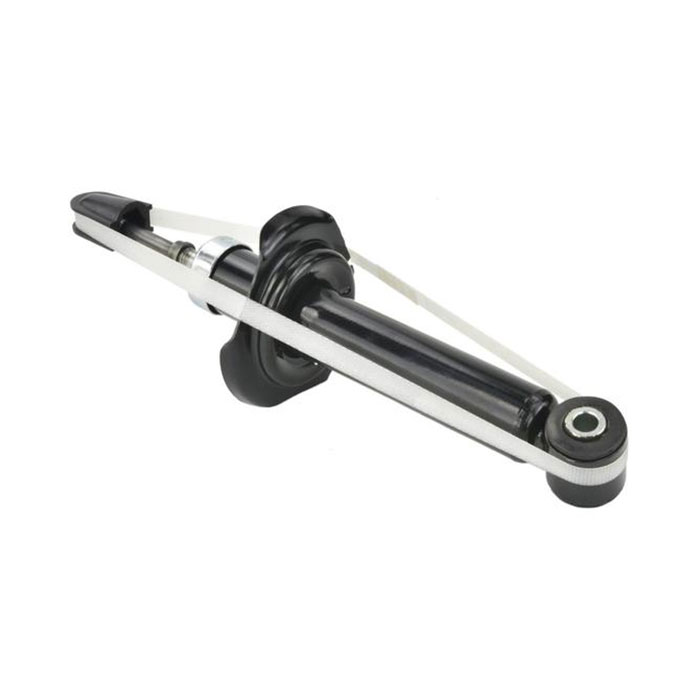
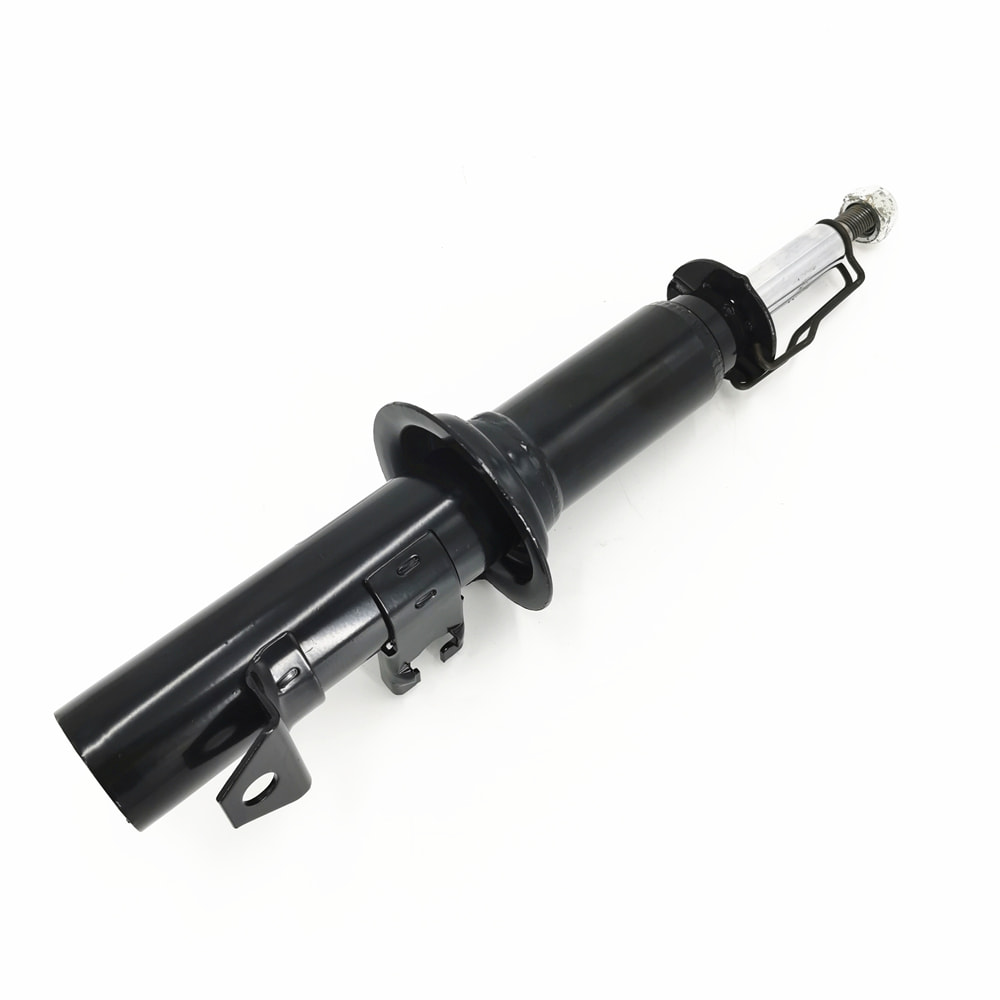
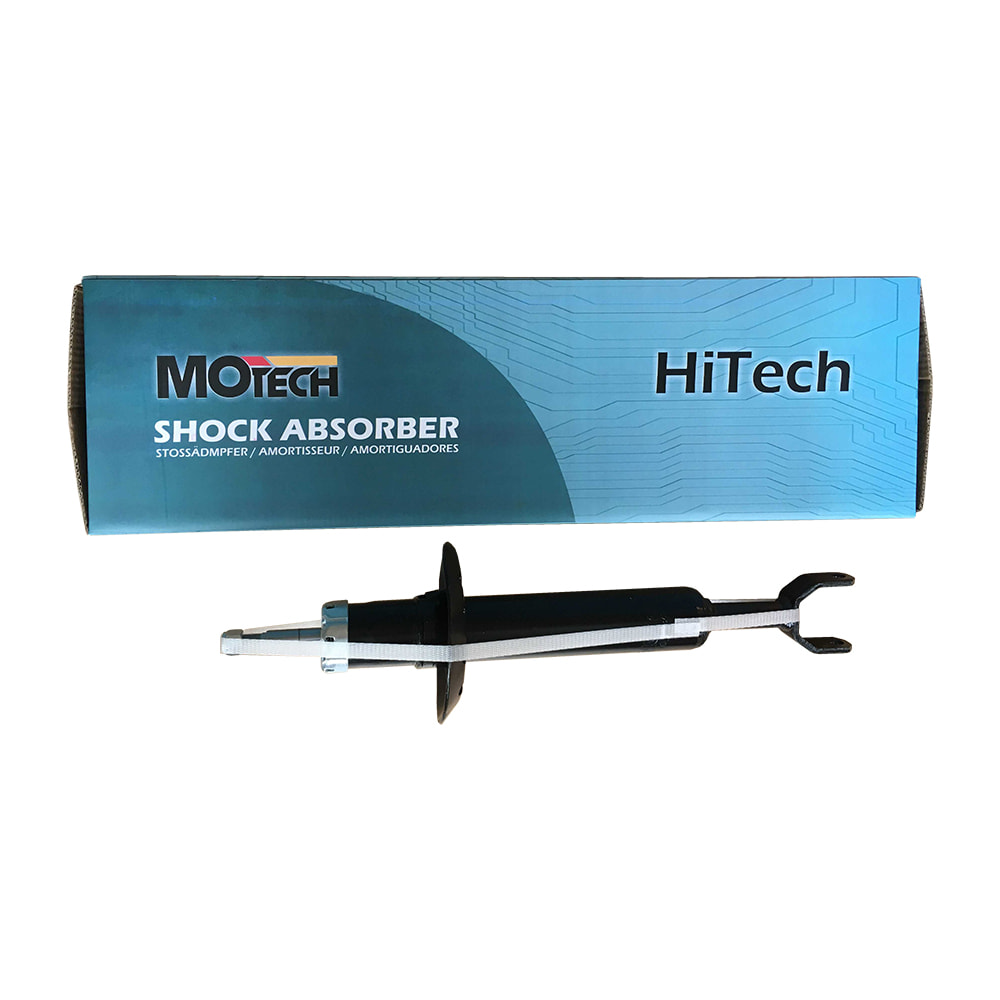 Wholesale AUDI A4 SHOCK ABSORBER Front Suppliers, FactoryGerep Automotive Parts Mfg Co., Ltd. is China Wholesale OEM/ODM AUDI A4 SHOCK ABSORBER Front Suppliers and AUDI A4 SHOCK ABSORBER Front F...View Product →
For Enthusiasts and Performance Builders
If your goal is lower ride height, stiffer spring control, or adjustable damping, coilovers are the appropriate upgrade. Before buying, decide on a spring rate and a target drop range, and be ready to pay for alignment and setup. Look for complete coilover kits with matched front and rear rates, because mixing spring rates between axles can create uneven handling.
For Buyers Who Need Fitment Certainty
If you stock parts for many models, fitment certainty matters more than any handling advantage. Confirm year, engine, and front or rear position before ordering. If a catalog listing is ambiguous, the fitment FAQ is a good starting point. For long-term sourcing, it also helps to inspect a manufacturer's factory production process, because consistent tolerances are harder to guarantee when parts are made by multiple suppliers.
Final Thoughts
Struts and coilovers share a similar shape, but they answer different questions. A strut asks, "How do I return this car to a predictable, factory ride?" A coilover asks, "How do I change the car's behavior to suit a particular road or track?" The choice comes down to whether you need adjustability and how much setup work you are willing to accept. Start with the vehicle's intended use, then let that decision guide the order.
Latest News
-
How Shock Absorbers Improve Vehicle Performance: Damping, Braking & More
At 96 km/h, a family sedan with worn shock absorbers can need roughly six more metres of road to s...2026-09-22
-
Bypass Shocks: Internal vs External Explained for Truck and SUV Owners
When your vehicle’s suspension starts feeling floaty or bottoms out over bumps, the term “bypass sh...2026-09-17
-
4x4 Shock Absorbers: Choosing, Replacing, and Upgrading for Off-Road SUVs
Your 4x4 feels unsettled on gravel, the rear end sways after a bump, and the tyres are wearing fast...2026-09-11
-
Shock Absorber Replacement Cost: Average Prices and Expert Labor Guide
Your service advisor hands you an estimate for replacing two rear shock absorbers: $680 for parts, ...2026-09-04
-
Struts vs Shocks vs Springs: Suspension Parts Explained for Car Owners
Your suspension starts making noise, and the shop says you need a new strut. You ask whether that i...2026-08-28
-
Shocks vs Struts: What's the Difference and How to Choose the Right Suspension Part
When one repair shop says your car needs a strut and another says it needs a shock absorber, the tw...2026-08-21
Quick Links
Contact Us
-
 +86-13757453333
 -
 +86-572-8355557
 -
 Caroline@gerep.cn
 -
 No. 36, South Zhenxing Rd., Zhongguan Town, Deqing County, Huzhou, Zhejiang, China
Please Enter Your Information
Copyright © Gerep Automotive Parts Mfg Co., Ltd. All Rights Reserved.
Custom Variable Durable Shock Absorbers Manufacturers
