 EN
EN  English
 Español

News

How Do I Know If My Mercedes-Benz Shock Absorbers Need Replacement?
 2026.05.22
 Industry News
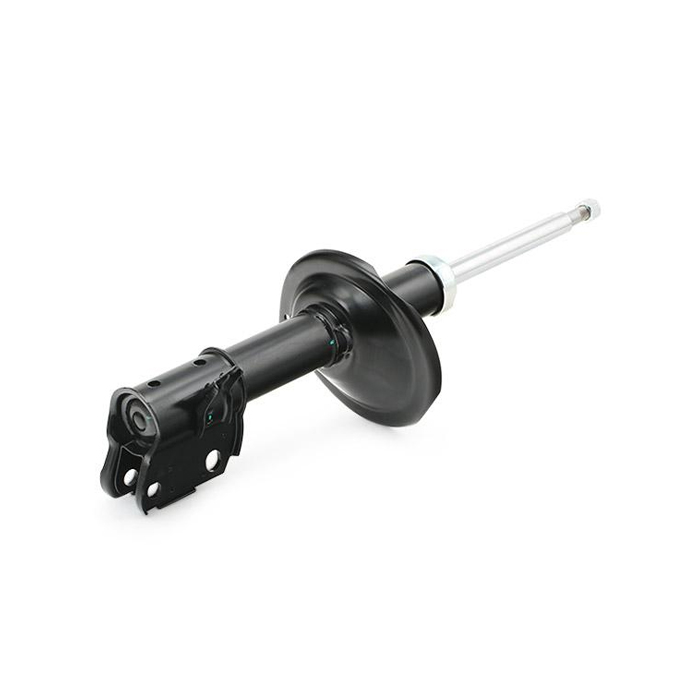
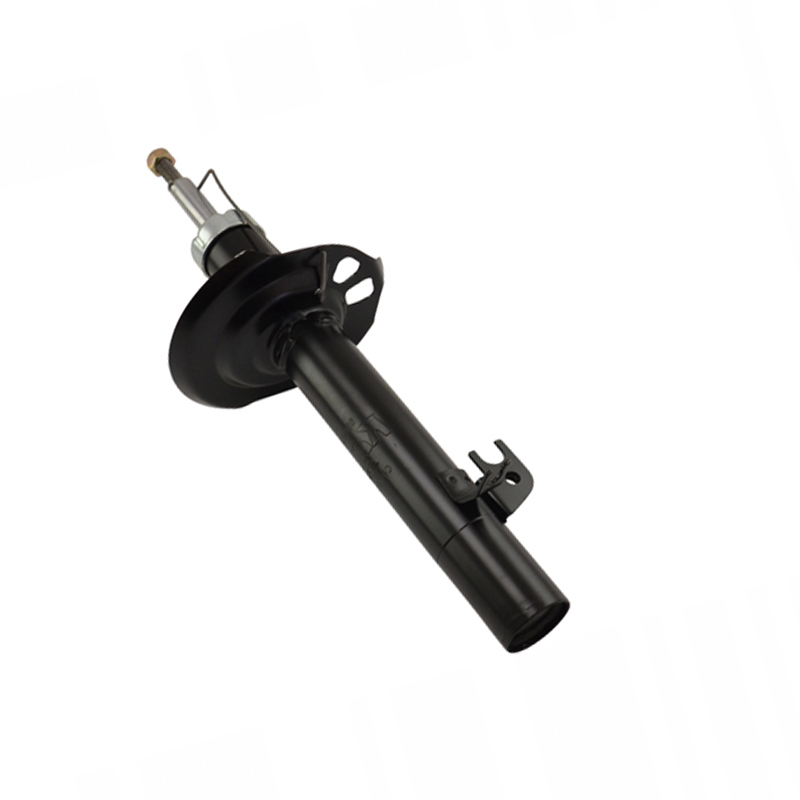
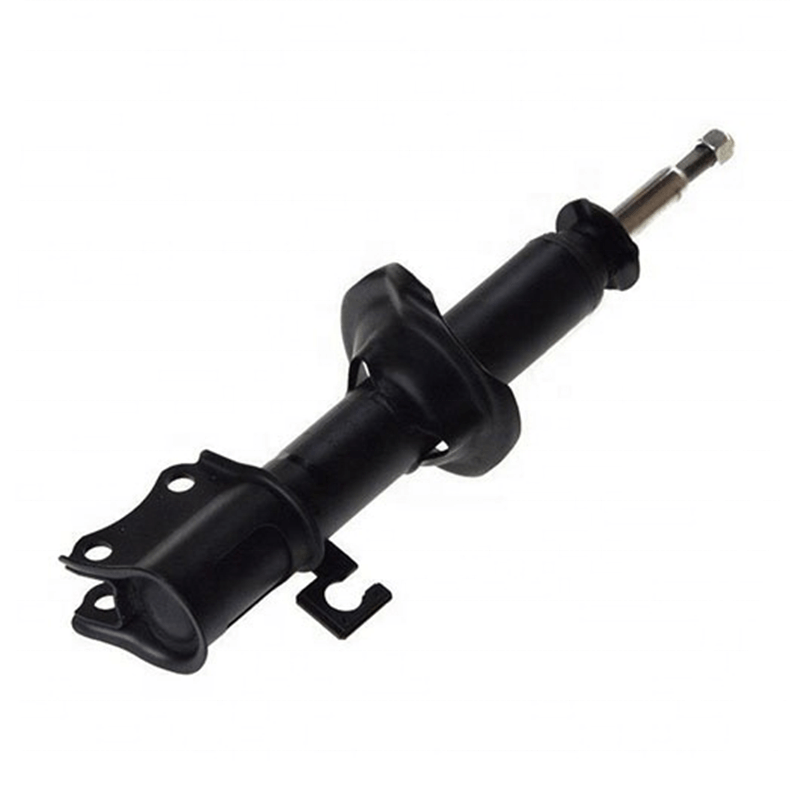
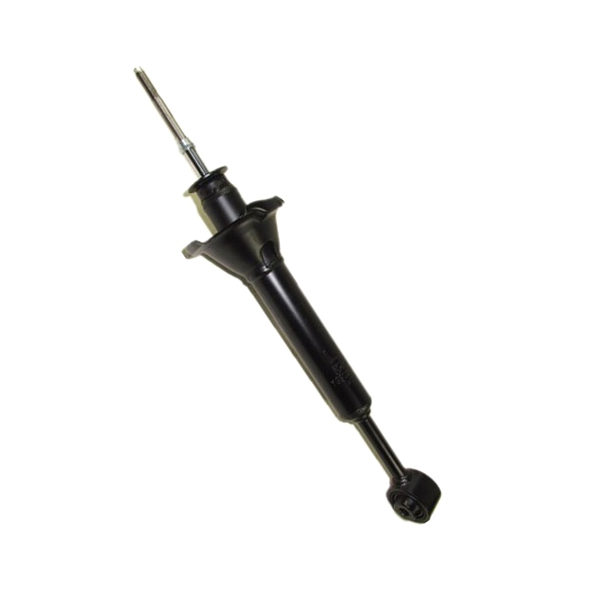
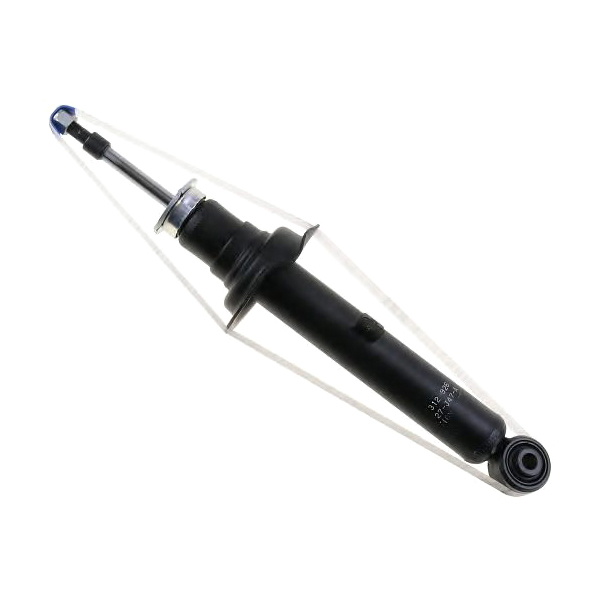
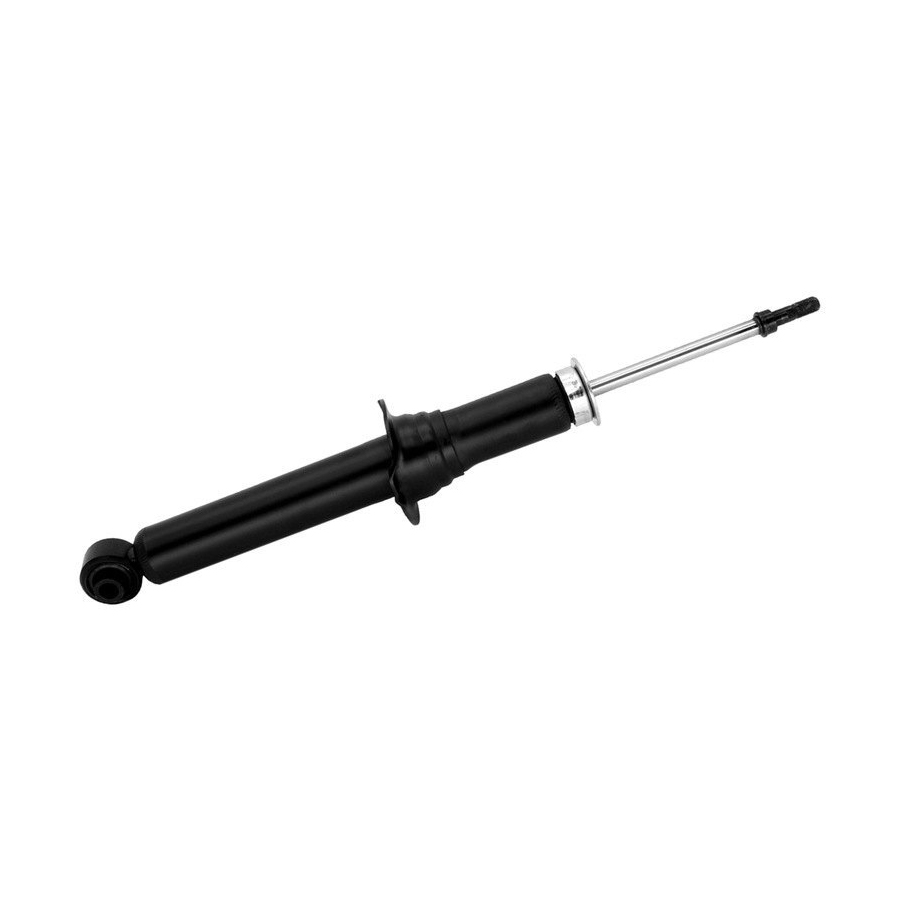
When discussing a Mercedes-Benz shock absorber, the most vital concept to grasp is that it is a component designed to be compatible with this specific brand of vehicles, rather than a shock absorber manufactured by the brand itself. The original vehicle manufacturer focuses on the engineering and performance specifications of the entire automobile, while the actual production of the suspension components is frequently outsourced to specialized third-party automotive parts manufacturers. These specialized manufacturers produce parts that meet the exacting standards and precise engineering blueprints required by the vehicle brand. Therefore, when replacing your suspension, you are seeking a part that matches the vehicle's requirements, not necessarily a part that rolled off the same assembly line as the car itself.
The Engineering Philosophy Behind the Suspension
The suspension system of a luxury vehicle is engineered to achieve a delicate balance between ride comfort and precise handling. The shock absorber is the pivotal component that dictates how this balance is maintained. It functions by converting the kinetic energy of the suspension's movement into thermal energy, which is then dissipated into the atmosphere. For a brand renowned for its smooth yet responsive driving dynamics, the shock absorber must be meticulously calibrated to match the weight distribution, chassis rigidity, and overall dynamic profile of the specific model.
The Valve and Piston Dynamics
Inside the shock absorber, the piston moves through hydraulic fluid, and the resistance created by this movement controls the spring oscillation. The valving within the piston is engineered with extreme precision. A softer valving allows for a plush ride that absorbs road imperfections effortlessly, whereas stiffer valving reduces body roll during cornering, enhancing agility. A compatible shock absorber must replicate these internal valve dynamics flawlessly. If the internal engineering deviates, the vehicle may suffer from a harsh ride, excessive body roll, or unpredictable handling characteristics, completely undermining the original driving experience.
Original Equipment vs. Aftermarket Compatibility
Navigating the world of replacement parts requires understanding the distinction between Original Equipment (OE) and the aftermarket. The vehicle brand does not inherently manufacture suspension components; they specify them. When a part is designated as OE, it means it was the exact part installed on the vehicle at the factory. Aftermarket parts are produced by other companies to the same specifications or as upgraded versions.
Why the Brand Does Not Manufacture the Part
Automotive manufacturing relies heavily on a vast network of specialized suppliers. Producing high-quality shock absorbers requires dedicated facilities, advanced metallurgical processes, and specialized fluid dynamics expertise. By outsourcing to specialized suppliers, the vehicle brand ensures that each component benefits from the latest technological advancements and specialized quality control, while keeping the overall vehicle production streamlined and efficient.
- Specialized suppliers possess dedicated research and development teams focused exclusively on suspension technology.
- Economies of scale allow these suppliers to produce high-quality components more efficiently than the vehicle brand could in-house.
- The vehicle brand maintains strict quality assurance protocols that the supplier must meet to retain the contract.
- Intellectual property regarding the suspension design belongs to the vehicle brand, but the manufacturing execution belongs to the supplier.
Types of Shock Absorbers for This Vehicle Class
Depending on the specific model and the desired driving dynamics, there are several types of shock absorbers that are engineered to be compatible with these vehicles. Each type operates on different principles to achieve the desired balance of comfort and control.
| Type | Primary Characteristic | Typical Application |
|---|---|---|
| Conventional Twin-Tube | Balanced comfort and cost | Standard sedans and base models |
| Mono-Tube | Superior heat dissipation and response | Performance-oriented and heavier vehicles |
| Adaptive/Electronic | Variable damping force on the fly | Luxury and high-performance trims |
| Air Spring Integrated | Adjustable ride height with damping | Premium luxury and SUV models |
Identifying the Signs of Suspension Failure
Recognizing when a shock absorber is failing is crucial for maintaining both the safety and the comfort of the vehicle. Shock absorbers degrade gradually over time, making it easy for drivers to adapt to the declining performance without realizing the danger they are in. A failing shock absorber increases braking distances, reduces tire contact with the road, and compromises vehicle stability.
Physical and Auditory Indicators
There are several unmistakable signs that your suspension components require immediate attention. Ignoring these symptoms can lead to accelerated wear on other critical components, such as tires and steering assemblies.
- Excessive Bouncing: If the vehicle continues to bounce multiple times after hitting a bump or dip in the road, the shock absorbers have lost their damping capability.
- Nose Diving and Squatting: When the front end dips dramatically under braking, or the rear end squats heavily during acceleration, the shocks are no longer controlling the weight transfer effectively.
- Uneven Tire Wear: Worn shocks allow the tires to bounce on the road surface, creating scalloped or cupped wear patterns that ruin the tire prematurely.
- Leaking Hydraulic Fluid: Visible fluid on the exterior of the shock absorber body indicates a compromised seal, which means the internal pressure and damping force are severely diminished.
- Knocking or Clunking Noises: Unusual sounds over bumps often indicate that internal components have worn out, causing metal-to-metal contact within the assembly.
Selection Criteria for Replacement Components
Choosing the correct replacement shock absorber requires careful consideration of the vehicle's specific dynamics. Because the part is designed for the vehicle rather than by the vehicle brand, ensuring the aftermarket or OE-equivalent part matches the exact specifications is paramount. Using an incompatible component can severely alter the driving dynamics and safety profile of the car.
Matching Vehicle Specifications
Every vehicle model has a specific set of parameters that the suspension must adhere to. This includes the weight of the vehicle, the spring rates, and the intended ride height. When selecting a replacement, it is not enough to simply find a part that physically bolts onto the vehicle. The valving must be calibrated to manage the specific load and spring rate of that particular model. For instance, a shock absorber designed for a lightweight sedan will not provide adequate damping for a heavier version of the same car, leading to rapid failure and dangerous handling characteristics.
The Necessity of Paired Replacement
A common and costly mistake in suspension maintenance is replacing only the failed shock absorber while leaving the other side intact. Suspension components degrade at a relatively similar rate on both sides of the vehicle due to shared road conditions and mileage. Replacing only one side creates an asymmetrical damping force across the axle, which can cause the vehicle to pull to one side during braking or become unstable during sudden maneuvers. Professional best practices dictate that shock absorbers should always be replaced in axle pairs to ensure balanced handling, predictable braking, and consistent tire wear.
Installation and Maintenance Best Practices
Proper installation is just as critical as selecting the correct component. Even the highest quality shock absorber will fail prematurely or perform poorly if it is not installed correctly. The installation process requires specific tools and a thorough understanding of suspension geometry. Furthermore, other related components must be inspected and potentially replaced during the same service interval to ensure the longevity of the new shock absorbers.
Complementary Component Inspection
When replacing the shock absorbers, it is highly recommended to inspect and replace the surrounding mounting hardware. The mounts, bump stops, and dust boots endure the same harsh road conditions and environmental exposure as the shock absorbers themselves. Failing to replace a worn mount can transfer excessive vibration and noise into the vehicle cabin, and can even cause premature wear on the brand new shock absorber. Additionally, a professional wheel alignment is mandatory after any suspension work to ensure the tires are sitting flat on the road surface and the vehicle tracks straight.
- Always use a specialized spring compressor when dealing with macpherson strut assemblies to prevent severe injury.
- Torque all fasteners to the exact specification outlined in the vehicle's engineering manual to prevent松动 or component failure.
- Clean and inspect all mating surfaces before installation to ensure a secure and corrosion-free fit.
Impact on Driving Dynamics and Safety
The condition of the shock absorbers has a profound impact on the overall safety and performance of the vehicle. They are the primary mechanism responsible for keeping the tires in contact with the road surface. Without effective damping, the springs would continue to oscillate after hitting a bump, causing the tires to lose traction. This loss of traction extends braking distances, reduces cornering grip, and makes the vehicle susceptible to crosswinds and uneven road surfaces. Maintaining a healthy suspension system ensures that the vehicle remains stable, predictable, and safe in all driving conditions, preserving the refined driving experience that the brand is known for.
Latest News
-
Bypass Shocks: Internal vs External Explained for Truck and SUV Owners
When your vehicle’s suspension starts feeling floaty or bottoms out over bumps, the term “bypass sh...2026-09-17
-
4x4 Shock Absorbers: Choosing, Replacing, and Upgrading for Off-Road SUVs
Your 4x4 feels unsettled on gravel, the rear end sways after a bump, and the tyres are wearing fast...2026-09-11
-
Shock Absorber Replacement Cost: Average Prices and Expert Labor Guide
Your service advisor hands you an estimate for replacing two rear shock absorbers: $680 for parts, ...2026-09-04
-
Struts vs Shocks vs Springs: Suspension Parts Explained for Car Owners
Your suspension starts making noise, and the shop says you need a new strut. You ask whether that i...2026-08-28
-
Shocks vs Struts: What's the Difference and How to Choose the Right Suspension Part
When one repair shop says your car needs a strut and another says it needs a shock absorber, the tw...2026-08-21
-
Coilovers vs Struts: Key Differences, Ride Quality, and How to Choose the Right Setup
The Short Answer Standing in front of two suspension parts that look almost identical, it is easy t...2026-08-14
Quick Links
Contact Us
-
 +86-13757453333
 -
 +86-572-8355557
 -
 Caroline@gerep.cn
 -
 No. 36, South Zhenxing Rd., Zhongguan Town, Deqing County, Huzhou, Zhejiang, China
Please Enter Your Information
Copyright © Gerep Automotive Parts Mfg Co., Ltd. All Rights Reserved.
Custom Variable Durable Shock Absorbers Manufacturers
