 EN
EN  English
 Español

News
 Home / Blogs / Industry News / How do off road rear dampers improve cross-country driving stability?
 How do off road rear dampers improve cross-country driving stability?
 2026.05.15
 Industry News
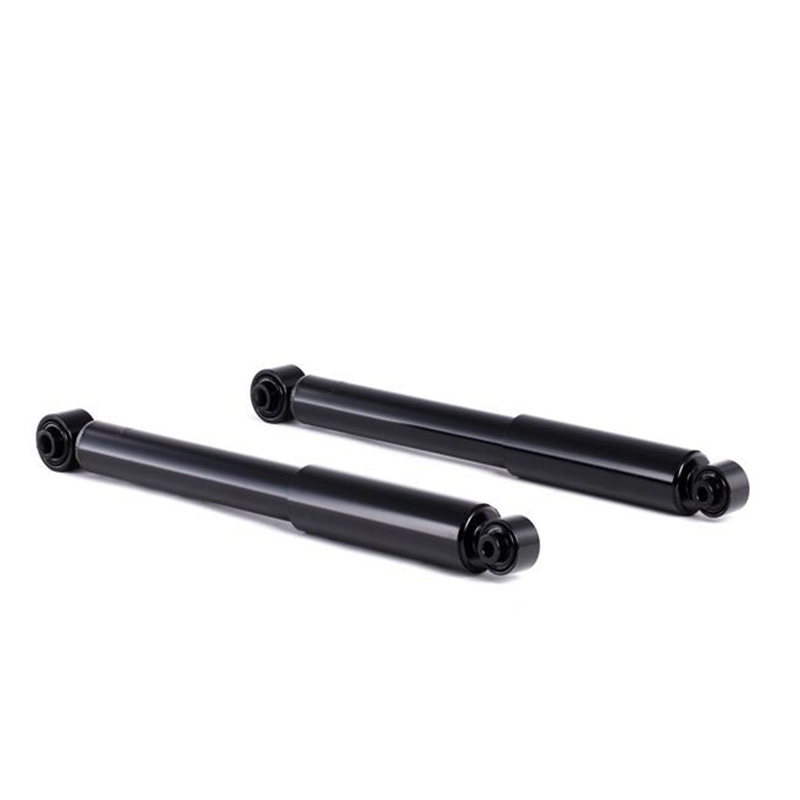
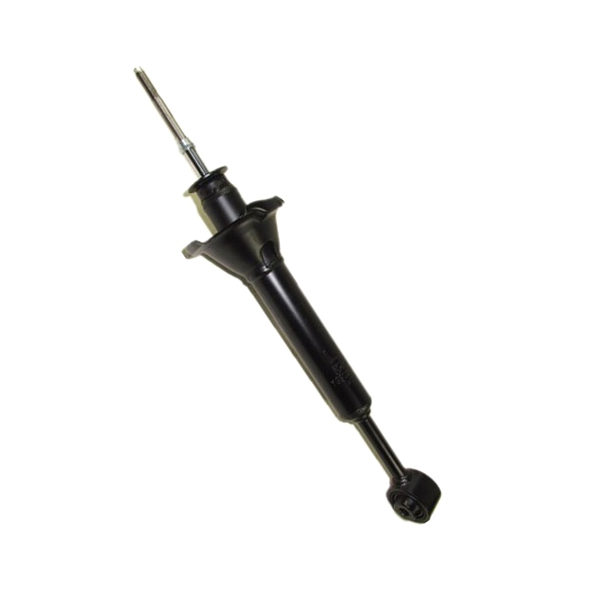
Rear off road dampers act as the core buffer component of vehicle rear suspension, directly determining cross-country driving safety, riding comfort and terrain adaptability. Qualified rear dampers can effectively offset uneven road vibration, limit excessive bounce of rear wheels, keep stable tire grounding state, and reduce vehicle body tilt during bumpy travel. For vehicles frequently driving on gravel, slope, muddy and rugged roads, upgrading and maintaining standard rear dampers can improve overall passing capacity by a noticeable range, while inferior or aging rear dampers will easily cause unstable driving posture, accelerated chassis wear and increased driving risk. Reasonable type matching, regular inspection and standardized maintenance are essential to keep rear dampers exerting optimal working performance in long-term off road travel.
Basic Working Principle of Off Road Rear Dampers
Off road rear dampers mainly rely on internal fluid flow resistance and mechanical compression rebound structure to consume vibration energy generated by road bumps. When the rear wheel touches protruding obstacles or sinks into pits, the damper will be compressed rapidly, and internal damping medium produces resistance to slow down compression speed; after leaving the uneven position, the damper rebounds steadily to push the wheel back to normal contact position with the ground.
Different from ordinary road rear dampers, off road style products adopt enhanced damping resistance design, which can cope with frequent and large-amplitude vibration impact. It works cooperatively with rear suspension spring parts, avoiding continuous bouncing swing of vehicle body. This linkage working mode ensures that the rear vehicle body will not lose balance instantly when crossing complex terrain, and keeps consistent supporting force for vehicle load bearing.
Energy Consumption Logic Inside Dampers
Most mainstream off road rear dampers adopt hydraulic damping structure. Vibration kinetic energy is converted into internal heat energy through the flow of hydraulic oil inside confined cavities, then dissipated naturally. The internal valve structure controls oil flow speed, realizing different damping strength under compression and rebound strokes. Adjustable structural rear dampers can change internal oil passage space, so as to match vibration demands of diverse off road terrains.
Key Structural Composition of Off Road Rear Dampers
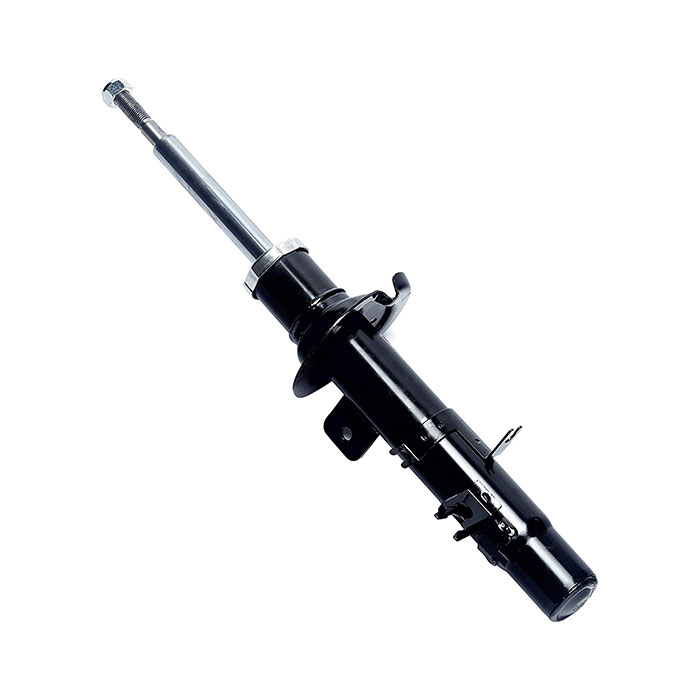
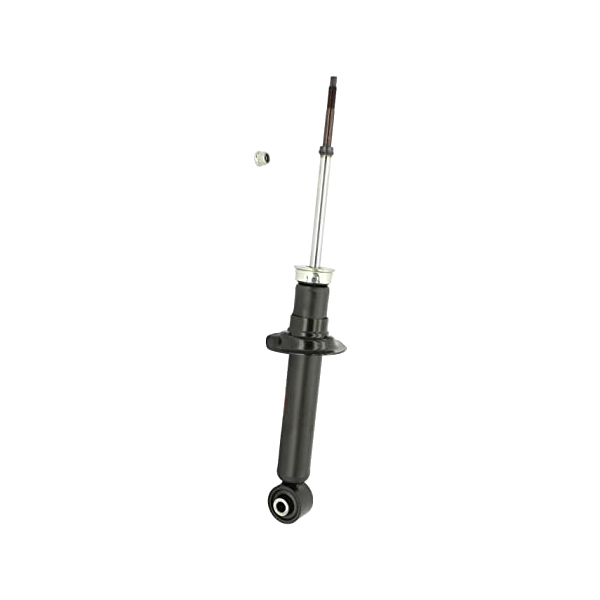
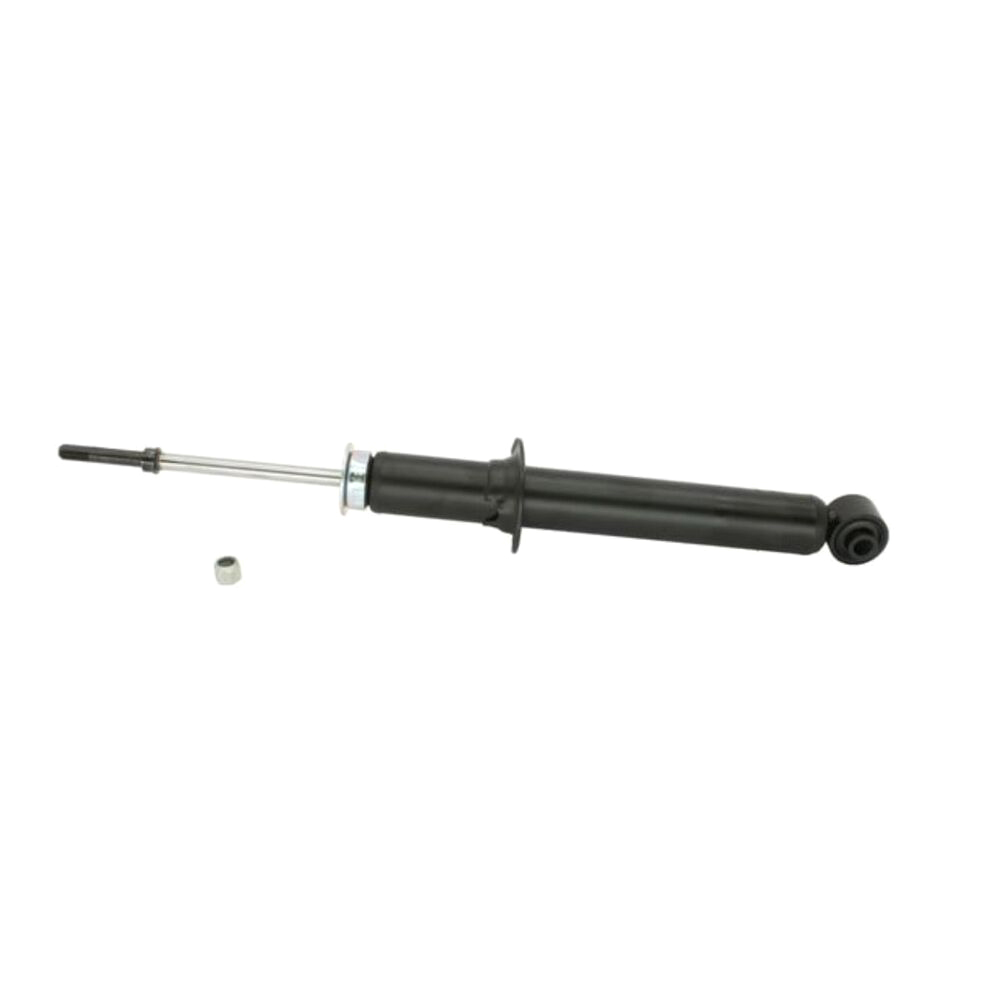
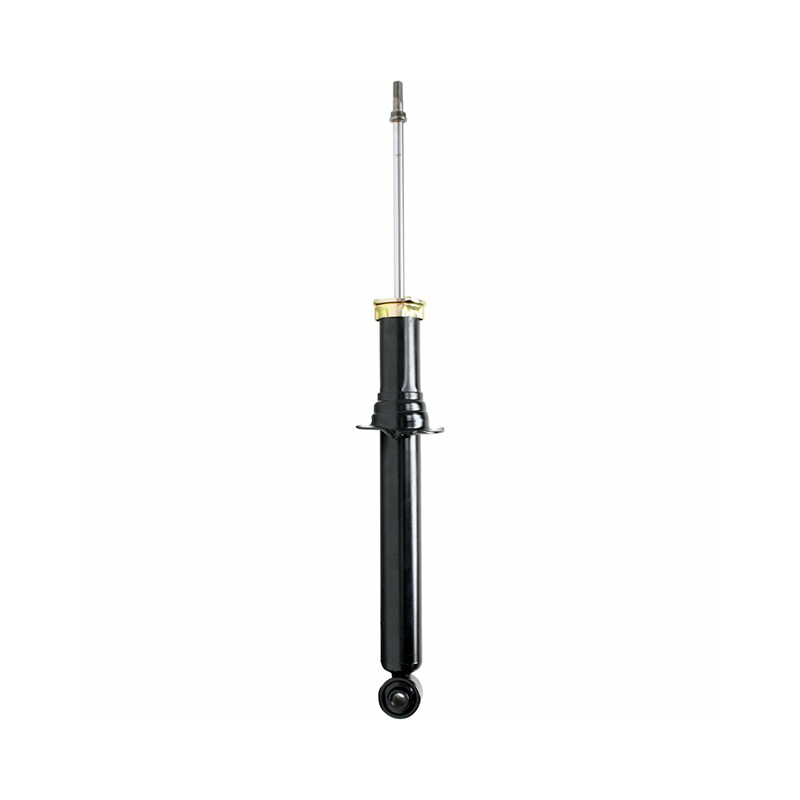
Complete off road rear dampers are assembled by multiple core parts, each structure undertakes independent functional tasks, and joint operation realizes vibration reduction and shock absorption effect. Every structural detail affects durability and practical effect in harsh off road environment.
- Piston assembly: the core moving part, drives damping medium flow and adjusts damping resistance during stretching and shrinking movement
- Sealing protection structure: isolates external sediment, water and dust, prevents internal hydraulic medium leakage and structural failure
- Outer cylinder body: high-strength bearing shell, bears external impact and provides stable working space for internal parts
- Connecting lug seats: fixed connection parts linking chassis and rear wheel support frame, ensuring stable installation position
- Buffer limit part: avoids excessive compression and stretching damage of damper under extreme terrain impact
Structural Differences Between Off Road and Conventional Rear Dampers
In material selection, off road rear dampers use thicker cylinder wall and anti-rust alloy materials, adapting to long-term exposure to muddy, wet and gravel impact environment. In stroke design, effective movement stroke is expanded greatly to adapt large vertical displacement of rear wheels when crossing deep pits and high steps. In sealing design, multi-layer waterproof and dustproof structures are added to reduce failure probability in complex outdoor environments.
| Item | Off Road Rear Damper | Daily Road Rear Damper |
|---|---|---|
| Effective Stroke | Larger movable range | Limited movable range |
| Overall Structural Strength | High impact resistance | Suitable for mild vibration |
| Environmental Adaptability | Adapt muddy, gravel and wet road | Suitable for flat paved road |
| Damping Adjustment Space | Wide adjustable scope | Fixed damping parameter |
Influence of Rear Dampers on Off Road Driving Performance
The working state of rear dampers brings comprehensive influence on vehicle passing performance, driving control sense and component service life. Stable rear damper performance can comprehensively optimize multiple driving experience indicators in cross-country travel.
Improvement of Driving Stability
When driving on continuous bumpy terrain, inferior rear dampers cannot restrain vehicle body swing effectively, making the rear part swing left and right obviously. Qualified off road rear dampers can firmly stabilize rear posture, keep rear wheels closely attached to the ground. In slope climbing and downhill driving processes, it reduces rear slipping risk and enhances overall driving controllability. Actual use feedback shows that vehicles equipped with standard off road rear dampers have obvious reduction in body shaking amplitude during cross-country travel.
Change of Riding and Carrying Comfort
Vibration transmitted to carriage will be greatly weakened after being buffered by rear dampers. For vehicles carrying passengers and goods, excellent shock absorption effect reduces jolting feeling. Meanwhile, uniform force bearing of rear suspension avoids local excessive pressure on cargo and internal parts, lowering damage possibility of carried objects caused by violent vibration.
Protection Effect on Chassis Related Parts
Without effective damping buffer, strong vibration impact will directly act on suspension bracket, connecting rod, tire and other accessories. Long-term severe impact will accelerate part aging, increase abnormal wear and loose connection faults. Off road rear dampers absorb most impact force, reduce loss of peripheral matching parts, and effectively prolong overall service life of rear suspension system.
Practical Selection Standards for Off Road Rear Dampers
Matching proper rear dampers according to actual usage demands is the premise to exert shock absorption performance. Users need to combine driving terrain frequency, vehicle load condition and daily driving habits to make targeted selection.
- Confirm terrain matching degree: select high-damping thickened type for frequent rugged mountain road and muddy land travel; choose moderate damping type for mixed use of flat road and off road
- Refer to vehicle load demand: heavy load carrying vehicles need rear dampers with strong supporting performance to prevent excessive sinking of rear body
- Check structural durability configuration: prioritize products with complete sealing structure and anti-collision shell for outdoor complex environment use
- Choose fixed or adjustable type: adjustable dampers can switch damping strength freely to adapt diverse terrain changes
It is not the higher damping strength the better. Excessively hard rear dampers will weaken buffering effect, making driving jolt intense; overly soft products cannot support vehicle body stably, easy to produce continuous bounce. Only matched damping hardness can balance stability and comfort in off road driving.
Daily Inspection and Maintenance Methods of Rear Dampers
Off road rear dampers work in harsh environment for a long time, vulnerable to sediment erosion, impact extrusion and medium aging. Regular inspection and scientific maintenance can eliminate hidden faults in advance and keep long-term stable operation.
Visual and Manual Routine Inspection
Observe damper surface regularly to check oil leakage traces, shell deformation and sealing rubber aging cracking. Press the rear vehicle body manually and release quickly. If the body shakes back and forth multiple times and cannot stabilize rapidly, it means damping performance declines and needs timely check and maintenance. Also check fastening degree of connecting positions to avoid loose displacement in driving process.
Cleaning and Anti-corrosion Maintenance
After driving on muddy and gravel roads, clean surface attached sediment and gravel in time to prevent hard particles from wearing sealing parts and cylinder body. Keep surface dry as much as possible, reduce long-term soaking of metal structure by rainwater and muddy water, slow down rust and corrosion speed. Avoid strong external impact on dampers during daily parking and vehicle movement.
Timely Replacement Judgment of Aging Dampers
When obvious oil leakage, serious shell damage and failed damping rebound appear, rear dampers lose basic working capacity and cannot meet off road driving demands. Continued use will bring hidden danger to driving safety. At this time, old components should be replaced in time, and keep left and right rear dampers consistent in specification and performance after replacement, avoiding unbalanced stress of rear suspension.
Common Fault Manifestations and Troubleshooting Ideas
Affected by working environment and service time, off road rear dampers are prone to typical faults. Judging fault types through driving manifestations can quickly lock abnormal positions and formulate solving schemes.
- Persistent body bounce: caused by internal damping medium loss or valve failure, need to detect sealing performance and internal structure
- Abnormal noise from rear suspension: loose connecting parts or internal part wear, fasten connection or replace worn components
- Uneven left and right height of rear body: inconsistent damper damping effect on two sides, unify product specification and performance parameters
- Sharp decline of shock absorption effect: aging and fatigue of internal parts, adopt overall replacement maintenance mode
When handling rear damper faults, avoid disassembly and modification without professional experience. Improves manual disassembly easily causes internal structure damage and secondary failure. For complex abnormal problems, adopt professional detection mode to confirm fault root cause, to ensure recovery of original shock absorption performance.
Latest News
-
Bypass Shocks: Internal vs External Explained for Truck and SUV Owners
When your vehicle’s suspension starts feeling floaty or bottoms out over bumps, the term “bypass sh...2026-09-17
-
4x4 Shock Absorbers: Choosing, Replacing, and Upgrading for Off-Road SUVs
Your 4x4 feels unsettled on gravel, the rear end sways after a bump, and the tyres are wearing fast...2026-09-11
-
Shock Absorber Replacement Cost: Average Prices and Expert Labor Guide
Your service advisor hands you an estimate for replacing two rear shock absorbers: $680 for parts, ...2026-09-04
-
Struts vs Shocks vs Springs: Suspension Parts Explained for Car Owners
Your suspension starts making noise, and the shop says you need a new strut. You ask whether that i...2026-08-28
-
Shocks vs Struts: What's the Difference and How to Choose the Right Suspension Part
When one repair shop says your car needs a strut and another says it needs a shock absorber, the tw...2026-08-21
-
Coilovers vs Struts: Key Differences, Ride Quality, and How to Choose the Right Setup
The Short Answer Standing in front of two suspension parts that look almost identical, it is easy t...2026-08-14
Quick Links
Contact Us
-
 +86-13757453333
 -
 +86-572-8355557
 -
 Caroline@gerep.cn
 -
 No. 36, South Zhenxing Rd., Zhongguan Town, Deqing County, Huzhou, Zhejiang, China
Please Enter Your Information
Copyright © Gerep Automotive Parts Mfg Co., Ltd. All Rights Reserved.
Custom Variable Durable Shock Absorbers Manufacturers
