 EN
EN  English
 Español

News

What Does an Aftermarket Suspension Kit Actually Do to Your Ride?
 2026.05.08
 Industry News
Upgrading to aftermarket suspension kits is the single most effective modification you can make to dramatically improve your vehicle's handling, comfort, and overall performance. While factory suspensions are designed for a generic, middle-of-the-road experience, aftermarket solutions allow you to tailor your vehicle's dynamics to your specific driving style, whether that involves aggressive track driving, rigorous off-roading, or simply seeking a smoother daily commute. By replacing standard components with superior materials and specialised designs, you gain unparalleled control over ride height, weight transfer, and road absorption. Ultimately, the right kit does not just change how your car sits; it fundamentally transforms how it drives, making it safer, more responsive, and far more enjoyable behind the wheel.
Understanding the Role of Vehicle Suspension Systems
To appreciate the value of aftermarket upgrades, it is essential to understand what a suspension system actually does. The suspension is the complex network of springs, shock absorbers, and linkages that connects a vehicle to its wheels and allows relative motion between the two. Its primary mission is to maximise the friction between the tyres and the road surface, ensuring steering stability and good handling, while simultaneously providing passenger comfort by absorbing road bumps and vibrations.
A factory suspension system is a compromise. Automakers must design a setup that satisfies the average driver, accommodates varying passenger weights, and keeps manufacturing costs manageable. As a result, original equipment components are often built to softer tolerances, which can lead to excessive body roll during cornering, a nosedive under hard braking, and a general feeling of disconnection from the road. Aftermarket kits eliminate these compromises, offering targeted solutions that prioritise specific performance metrics over mass-market appeal.
Key Benefits of Upgrading to Aftermarket Suspension Kits
Investing in an aftermarket suspension kit yields a wide array of tangible benefits that go far beyond simple aesthetics. These advantages affect every aspect of how a vehicle interacts with the road.
Enhanced Handling and Cornering Stability
One of the most immediately noticeable improvements is a drastic reduction in body roll. Stiffer aftermarket springs and upgraded sway bars keep the vehicle flatter through corners, keeping the weight evenly distributed across all four tyres. This maximises the contact patch—the small area of the tire actually touching the road—resulting in significantly higher grip levels and more precise steering response.
Improved Ride Quality Over Rough Terrain
It is a common misconception that stiffer suspension always means a harsher ride. High-quality aftermarket shock absorbers and tuned coil springs can actually improve ride comfort, particularly on uneven surfaces. Factory shocks often fade quickly and struggle to manage rapid successive bumps, whereas advanced aftermarket dampers use superior valving technology to dissipate heat and absorb impacts much more effectively.
Adjustable Ride Height and Aesthetics
Many aftermarket kits allow drivers to alter the stance of their vehicle. Lowering a car lowers its centre of gravity, which inherently improves aerodynamics and high-speed stability. Conversely, lifting a truck or SUV provides the crucial clearance needed to navigate rocky trails and avoid undercarriage damage. This visual transformation is a major motivating factor for many automotive enthusiasts.
Increased Durability and Longevity
OEM suspension components frequently use rubber bushings and thinner steel to cut costs and reduce noise, vibration, and harshness. Aftermarket kits commonly replace these with polyurethane bushings, thicker sway bars, and reinforced mounts. These materials are far more resilient to wear, tear, and environmental degradation, ensuring that the suspension maintains its precise geometry and performance characteristics over a much longer lifespan.
Exploring the Different Types of Aftermarket Suspension Kits
The aftermarket industry offers a vast selection of suspension kits, each engineered to achieve distinct dynamic outcomes. Choosing the correct type is vital for meeting your performance goals.
Coilover Suspension Kits
Coilovers are a popular all-in-one solution that combines a shock absorber and a coil spring into a single, integrated unit. The primary advantage of coilovers is their adjustability. Most quality coilovers feature a threaded body that allows you to raise or lower the ride height by simply spinning the spring perch. Higher-end models also offer adjustable damping, enabling you to fine-tune the stiffness of the shock absorber to match different driving conditions, from comfortable street cruising to tight circuit racing.
Leaf Spring Suspension Kits
Predominantly found on trucks, commercial vans, and older utility vehicles, leaf spring kits are designed to handle heavy loads and endure severe stress. Aftermarket leaf spring kits often feature multi-leaf configurations or parabolic designs that improve load-carrying capacity while reducing the harsh, bouncy ride traditionally associated with heavy-duty suspensions. Upgrading the leaf springs is essential for vehicles that regularly tow heavy trailers or haul substantial payloads in the bed.
Lifting Kits for Off-Road Applications
Designed specifically for trucks and SUVs, lift kits elevate the vehicle to accommodate larger tires and increase approach, departure, and breakover angles. These kits range from simple spacer lifts that sit atop the factory struts to comprehensive systems that include longer control arms, extended brake lines, and drop brackets to maintain proper steering and suspension geometry. A proper lift kit transforms a standard utility vehicle into a highly capable off-road machine.
Lowering Springs
For drivers seeking a lower center of gravity without the complexity of a full coilover system, lowering springs are an excellent option. These are progressively wound springs that are shorter and stiffer than the factory units. By replacing only the springs and retaining the factory shock absorbers, you can achieve a sportier stance and reduce body roll relatively inexpensively. However, it is crucial to ensure your factory shocks can handle the increased spring rates.
| Kit Type | Primary Application | Key Feature |
|---|---|---|
| Coilovers | Street & Track Performance | Adjustable ride height and damping |
| Leaf Spring Kits | Towing & Heavy Hauling | High load capacity and durability |
| Lift Kits | Off-Roading & Aesthetics | Increased ground clearance |
| Lowering Springs | Sporty Street Driving | Lower center of gravity and reduced cost |
Core Components Found in Aftermarket Kits
Understanding the individual components within a suspension kit is critical for making an informed upgrade. Each part plays a highly specialized role in vehicle dynamics.
Shock Absorbers and Struts
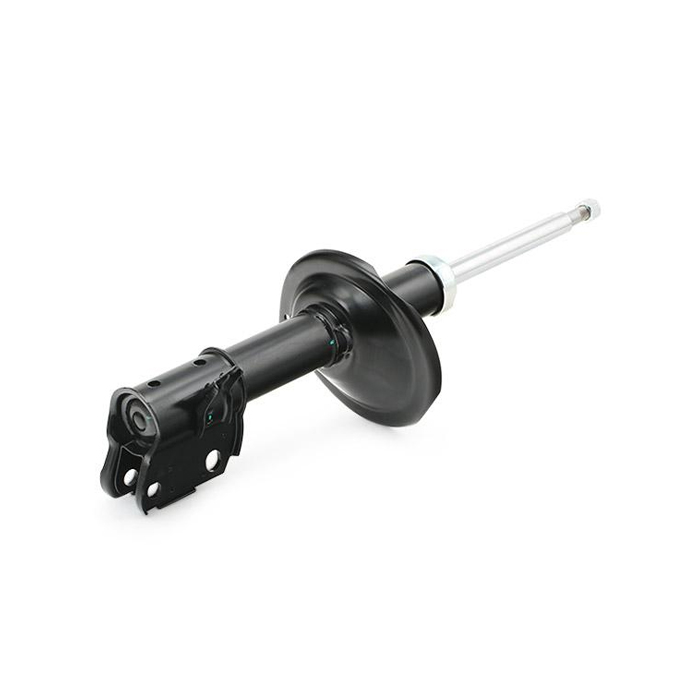
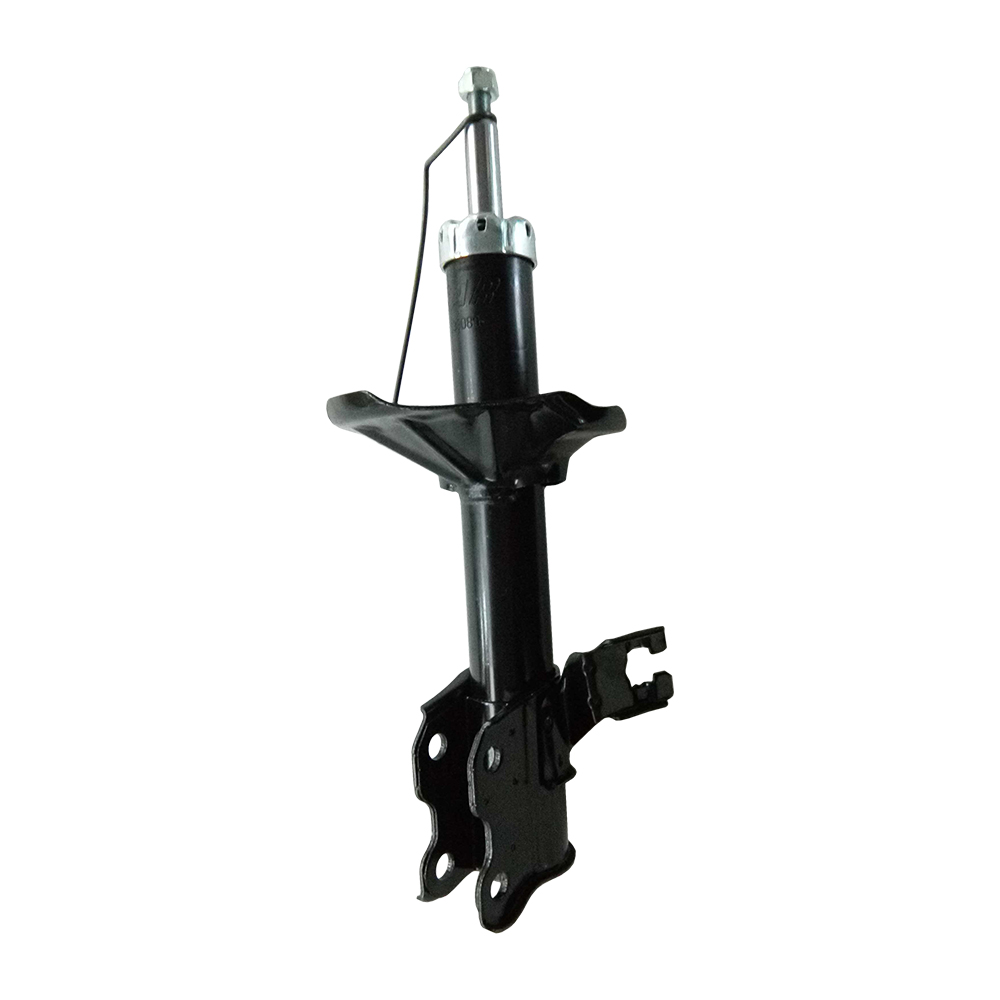
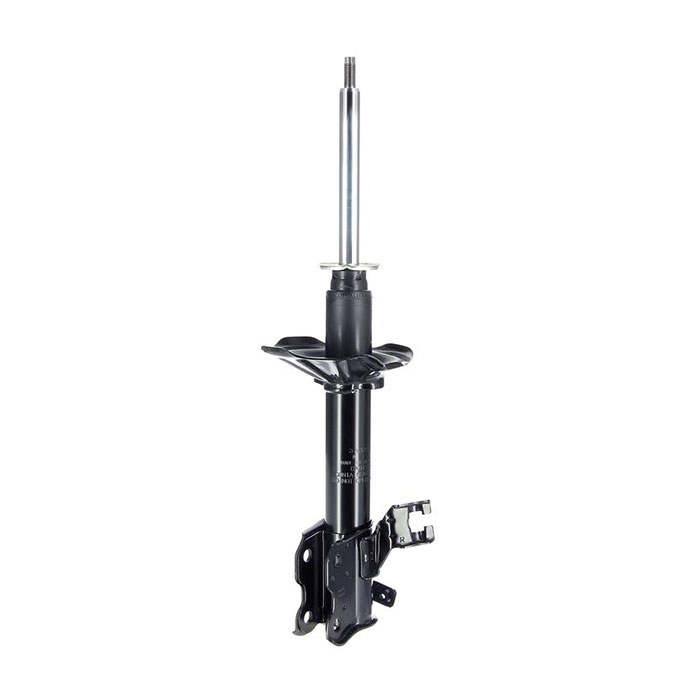
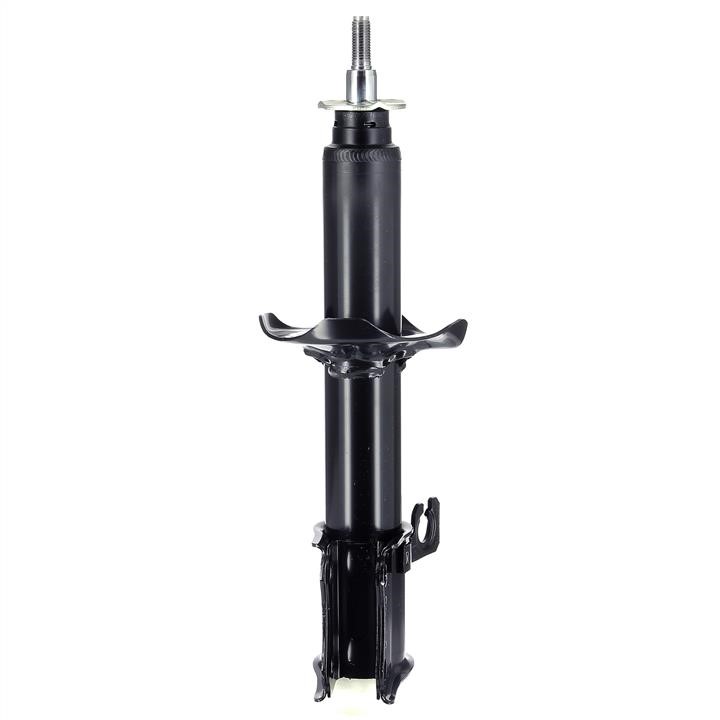
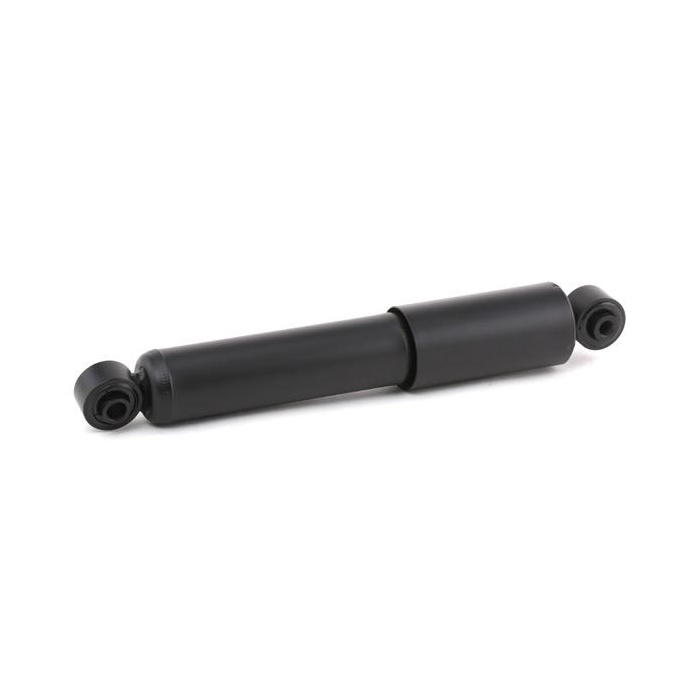
While springs support the weight of the vehicle, shock absorbers and struts control the rate at which the springs compress and rebound. Without dampers, a vehicle would continue to bounce uncontrollably after hitting a bump. Aftermarket shocks utilize advanced fluid dynamics, larger piston diameters, and superior seal designs to resist fading, ensuring consistent performance even when subjected to continuous, rapid articulation on rough roads.
Springs and Coil Rate Dynamics
Springs determine the vehicle's ride height and carry its static weight. The spring rate refers to the amount of force required to compress the spring. Lowering springs typically feature higher spring rates to prevent the vehicle from bottoming out over bumps, due to the reduced suspension travel. Conversely, off-road springs may feature variable rates, starting soft for a comfortable ride over small bumps, but becoming progressively stiffer to absorb massive impacts from deep ruts.
Control Arms and Linkage Upgrades
When you dramatically alter a vehicle's ride height, the factory control arms often operate at compromised angles, leading to poor alignment specs and binding. Aftermarket control arms feature corrected geometry, extended lengths, and heavy-duty ball joints or spherical bearings. These components restore proper camber and caster angles, ensuring the tyres maintain optimal contact with the road and the suspension cycles freely without restriction.
Bushings: The Crucial Connection Points
Bushings are the flexible joints that allow the suspension to move while isolating the cabin from road noise and vibration. Factory rubber bushings are soft and allow deflection under heavy load, leading to vague handling. Aftermarket polyurethane or spherical bearing bushings dramatically reduce this deflection. Polyurethane bushings offer a firm, responsive feel and exceptional longevity, transmitting more road feedback to the driver while maintaining precise alignment of the suspension arms.
How to Choose the Right Kit for Your Driving Needs
Selecting the ideal aftermarket suspension kit requires an honest assessment of how you use your vehicle. The wrong setup can ruin the driving experience, so it is vital to match the kit's capabilities to your daily reality.
- Define Your Primary Driving Environment: Determine if you spend the majority of your time on smooth highways, tight mountain roads, or rocky trails. A track-focused coilover will be agonising on a pothole-filled city commute, while a massive lift kit will make highway driving unstable and inefficient.
- Evaluate Your Performance Goals: Decide whether your main objective is reducing lap times, increasing ground clearance for trail obstacles, or achieving a specific visual stance. Being clear about your goals prevents you from paying for features you do not need.
- Determine Your Budget Realistically: A high-quality suspension kit is a significant investment. Factor in not just the cost of the components, but also the expense of professional installation, a four-wheel alignment, and any supplemental parts like extended brake lines or adjustable control arms that might be necessary for the kit to function correctly.
- Research Compatibility: Ensure that the kit is specifically designed for your vehicle's make, model, and year. Even within the same model line, different engine sizes or trim packages can feature different suspension configurations, such as varying weight distributions or electronic damping systems that require specialised aftermarket replacements.
The Critical Importance of Professional Installation and Alignment
Installing an aftermarket suspension kit is not a simple bolt-on affair. It is a complex mechanical process that directly affects the safety and handling characteristics of your vehicle. Professional installation ensures that all torque specifications are met, components are oriented correctly, and most importantly, that the vehicle receives a comprehensive four-wheel alignment immediately after the installation.
When you alter the ride height or replace suspension components, the factory alignment specifications are completely invalidated. Improper camber, caster, and toe settings will lead to rapid, uneven tire wear, poor fuel economy, and potentially dangerous handling characteristics, such as the vehicle pulling to one side or wandering at high speeds. Furthermore, professional installers have the specialized tools required to safely compress coil springs and deal with rusted or seized hardware, mitigating the risk of severe injury or damage to the new parts.
Essential Maintenance for Aftermarket Suspension Systems
Performance suspension systems require more diligent maintenance than factory setups to remain in peak operating condition. The enhanced performance comes from tighter tolerances and components operating under higher stress, making regular inspections crucial.
Regular Visual Inspections
You should routinely examine the suspension components for signs of wear or damage. Look for oil leaking from the shock absorber bodies, which indicates a failed seal and compromised damping ability. Inspect the boots covering the ball joints and tie rod ends for tears, and check the bushings for cracking or excessive deterioration. Catching these issues early prevents catastrophic failure on the road.
Keeping Components Clean and Lubricated
Aftermarket components, particularly those with polyurethane bushings or spherical bearings, require periodic lubrication to prevent squeaking and premature wear. Off-road vehicles are especially susceptible to the degradation caused by mud, sand, and road salt. Thoroughly cleaning the undercarriage and applying the correct type of grease to all zerk fittings will significantly extend the life of the system.
Monitoring Ride Height and Alignment Over Time
Springs can settle over thousands of miles, slightly altering your vehicle's ride height. This settling can throw off the alignment, leading to uneven tire wear. It is highly recommended to measure the ride height periodically and have the alignment checked at least once a year, or immediately after encountering a severe impact, such as hitting a deep pothole or a large piece of road debris.
Latest News
-
Bypass Shocks: Internal vs External Explained for Truck and SUV Owners
When your vehicle’s suspension starts feeling floaty or bottoms out over bumps, the term “bypass sh...2026-09-17
-
4x4 Shock Absorbers: Choosing, Replacing, and Upgrading for Off-Road SUVs
Your 4x4 feels unsettled on gravel, the rear end sways after a bump, and the tyres are wearing fast...2026-09-11
-
Shock Absorber Replacement Cost: Average Prices and Expert Labor Guide
Your service advisor hands you an estimate for replacing two rear shock absorbers: $680 for parts, ...2026-09-04
-
Struts vs Shocks vs Springs: Suspension Parts Explained for Car Owners
Your suspension starts making noise, and the shop says you need a new strut. You ask whether that i...2026-08-28
-
Shocks vs Struts: What's the Difference and How to Choose the Right Suspension Part
When one repair shop says your car needs a strut and another says it needs a shock absorber, the tw...2026-08-21
-
Coilovers vs Struts: Key Differences, Ride Quality, and How to Choose the Right Setup
The Short Answer Standing in front of two suspension parts that look almost identical, it is easy t...2026-08-14
Quick Links
Contact Us
-
 +86-13757453333
 -
 +86-572-8355557
 -
 Caroline@gerep.cn
 -
 No. 36, South Zhenxing Rd., Zhongguan Town, Deqing County, Huzhou, Zhejiang, China
Please Enter Your Information
Copyright © Gerep Automotive Parts Mfg Co., Ltd. All Rights Reserved.
Custom Variable Durable Shock Absorbers Manufacturers
