 EN
EN  English
 Español

News
 Home / Blogs / Industry News / What are aftermarket automotive parts? Are they reliable for vehicle repair?
 What are aftermarket automotive parts? Are they reliable for vehicle repair?
 2026.04.08
 Industry News
Aftermarket automotive parts are high-quality, cost-effective replacement components produced by non-original equipment manufacturers and are fully compatible with most vehicle models. They meet industry safety and performance standards, cost 30%-60% less than OEM parts on average, and are the most practical choice for vehicle maintenance and repair for most users.
These parts cover all vehicle systems, from engine components and brake parts to body accessories, and undergo strict quality inspections before leaving the factory. They do not affect vehicle safety when selected and installed correctly, and have become an indispensable part of the global automotive repair industry.
Definition and Classification of Aftermarket Automotive Parts
Basic Definition
Aftermarket automotive parts refer to all replacement and upgrade parts manufactured by third-party companies, excluding the original parts produced by vehicle brand manufacturers. They are designed to match the specifications of original parts and adapt to normal vehicle use scenarios.
Main Product Categories
- Mechanical parts: engine parts, transmission components, suspension, and steering parts
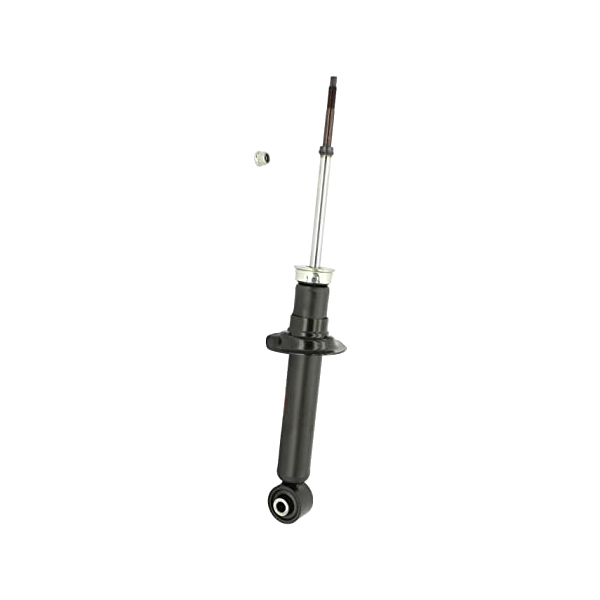
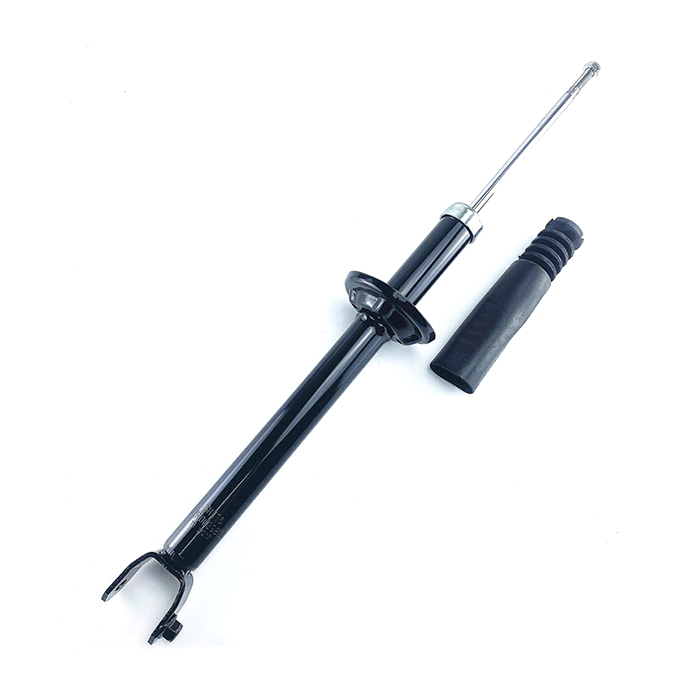
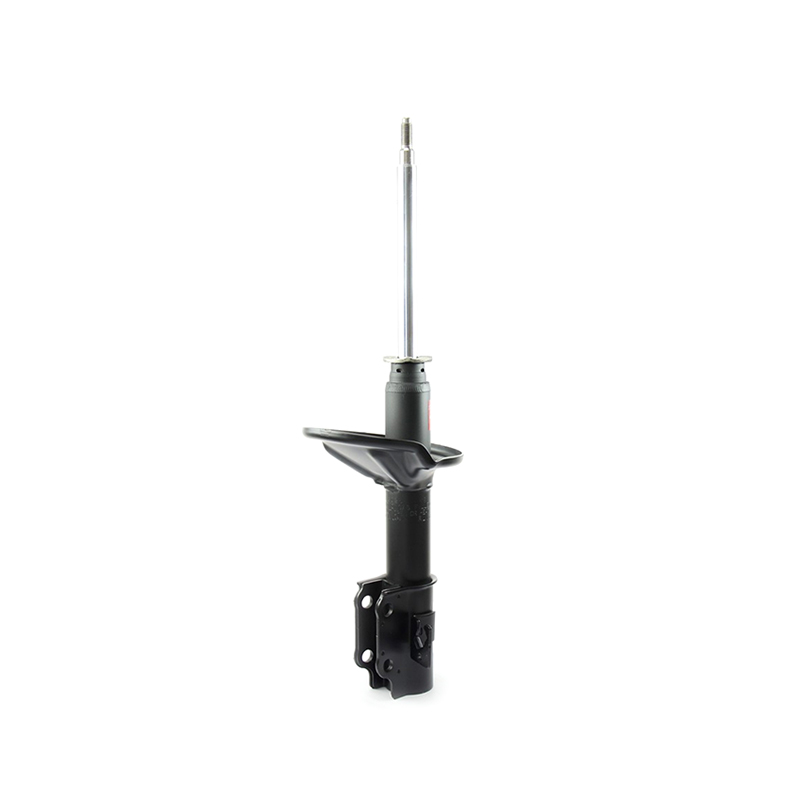
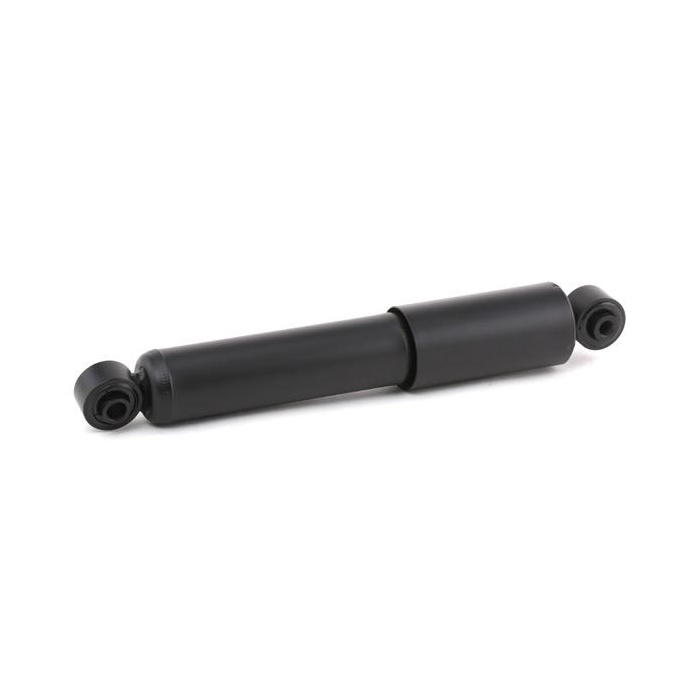
- Safety parts: brake pads, brake discs, airbag components, shock absorbers
- Electrical parts: batteries, ignition coils, sensors, lighting systems
- Body and interior parts: bumpers, mirrors, seat components, door handles
- Maintenance consumables: filters, spark plugs, belts, lubricants
Core Advantages of Aftermarket Automotive Parts
Cost Efficiency
The biggest advantage of aftermarket parts is price. Compared with OEM parts, their production and circulation costs are lower, saving users a lot of maintenance expenses. This price advantage is more obvious for older vehicles and high-frequency maintenance parts.
Wide Availability
Aftermarket parts are sold globally through auto parts stores, repair shops, and professional suppliers. Over 90% of common vehicle models can find matching aftermarket parts quickly, avoiding long waiting times for original parts ordering.
Diverse Product Options
In addition to standard replacement parts, aftermarket manufacturers provide upgraded and customized products to meet different user needs, such as high-performance brake parts and wear-resistant engine components.
Quality and Safety Standards
Formal aftermarket automotive parts must pass international and regional quality certifications. The main certification standards include ISO/TS 16949, which is the most authoritative quality management system for auto parts worldwide.
Certified aftermarket parts have the same dimensional accuracy and performance parameters as OEM parts, and their service life can reach 85%-100% of original parts, fully meeting daily driving requirements.
| Part Type | Certification Requirement | Safety Level |
|---|---|---|
| Brake Parts | Mandatory Certification | Highest |
| Engine Parts | Mandatory Certification | High |
| Body Accessories | Standard Certification | Medium |
Practical Application Scenarios
Daily Vehicle Maintenance
Aftermarket parts are the first choice for routine maintenance, including oil filters, air filters, and wiper blades. Their cost-effective features reduce the annual maintenance cost of vehicles by a large margin.
Accident and Damage Repair
For vehicle collision and wear damage, aftermarket body parts and mechanical parts provide fast repair solutions. Most auto repair shops use these parts for daily repairs to shorten construction periods and reduce costs.
Old Vehicle Maintenance
Vehicle manufacturers stop supplying original parts for discontinued models after several years, while aftermarket parts remain in production, becoming the only option for keeping old vehicles running normally.
Professional Selection and Purchase Tips
- Confirm the vehicle model, year, and part specifications to ensure perfect matching
- Choose parts with official quality certification and complete product labels
- Purchase through formal channels to avoid unqualified, inferior products
- Give priority to parts with after-sales service and quality assurance
- For safety parts, select products with higher certification levels
Following these tips ensures that the aftermarket parts you buy are safe, reliable, and suitable for your vehicle, maximizing their value while ensuring driving safety.
Installation and Usage Precautions
Aftermarket parts should be installed by professional technicians. Correct installation is critical to performance and safety. Improper installation will reduce part life and affect vehicle safety.
After installation, conduct a comprehensive inspection and test run. Regular inspection and maintenance after use can extend the service life of aftermarket parts and ensure stable vehicle operation.
Market Development Trend
The global aftermarket automotive parts market is growing steadily year by year. With the increase in car ownership and the development of the automotive maintenance industry, the demand for aftermarket parts will continue to rise.
Manufacturers are continuously improving production technology and quality control systems, making aftermarket parts closer to OEM parts in performance. In the future, high-quality aftermarket parts will become the mainstream choice for the global automotive repair and maintenance industry.
Latest News
-
Bypass Shocks: Internal vs External Explained for Truck and SUV Owners
When your vehicle’s suspension starts feeling floaty or bottoms out over bumps, the term “bypass sh...2026-09-17
-
4x4 Shock Absorbers: Choosing, Replacing, and Upgrading for Off-Road SUVs
Your 4x4 feels unsettled on gravel, the rear end sways after a bump, and the tyres are wearing fast...2026-09-11
-
Shock Absorber Replacement Cost: Average Prices and Expert Labor Guide
Your service advisor hands you an estimate for replacing two rear shock absorbers: $680 for parts, ...2026-09-04
-
Struts vs Shocks vs Springs: Suspension Parts Explained for Car Owners
Your suspension starts making noise, and the shop says you need a new strut. You ask whether that i...2026-08-28
-
Shocks vs Struts: What's the Difference and How to Choose the Right Suspension Part
When one repair shop says your car needs a strut and another says it needs a shock absorber, the tw...2026-08-21
-
Coilovers vs Struts: Key Differences, Ride Quality, and How to Choose the Right Setup
The Short Answer Standing in front of two suspension parts that look almost identical, it is easy t...2026-08-14
Quick Links
Contact Us
-
 +86-13757453333
 -
 +86-572-8355557
 -
 Caroline@gerep.cn
 -
 No. 36, South Zhenxing Rd., Zhongguan Town, Deqing County, Huzhou, Zhejiang, China
Please Enter Your Information
Copyright © Gerep Automotive Parts Mfg Co., Ltd. All Rights Reserved.
Custom Variable Durable Shock Absorbers Manufacturers
