 EN
EN  English
 Español

News
 Home / Blogs / Industry News / How Do Weather Conditions Affect the Performance of Heavy-Duty Truck Shock Absorbers?
 How Do Weather Conditions Affect the Performance of Heavy-Duty Truck Shock Absorbers?
 2026.02.08
 Industry News
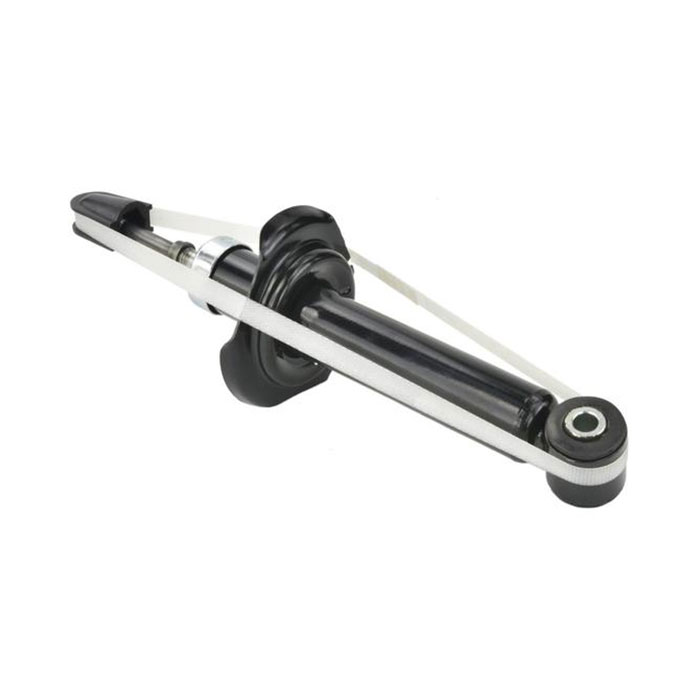
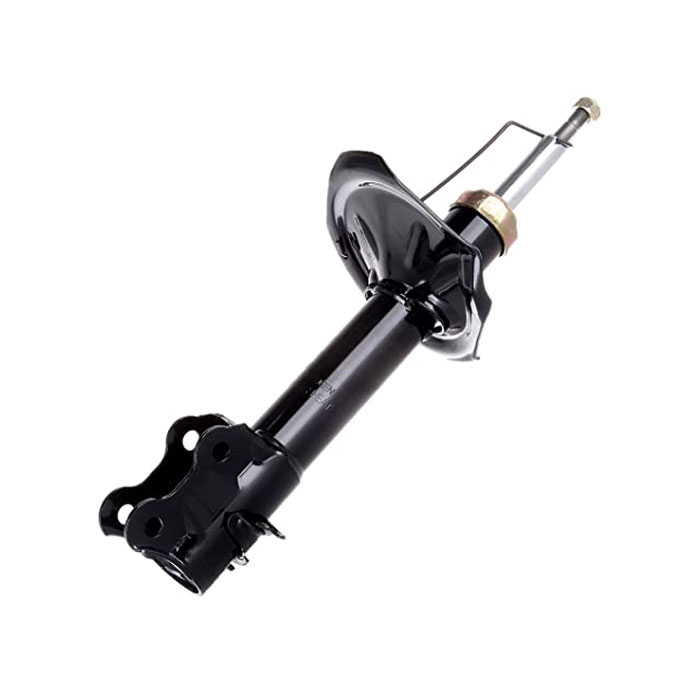
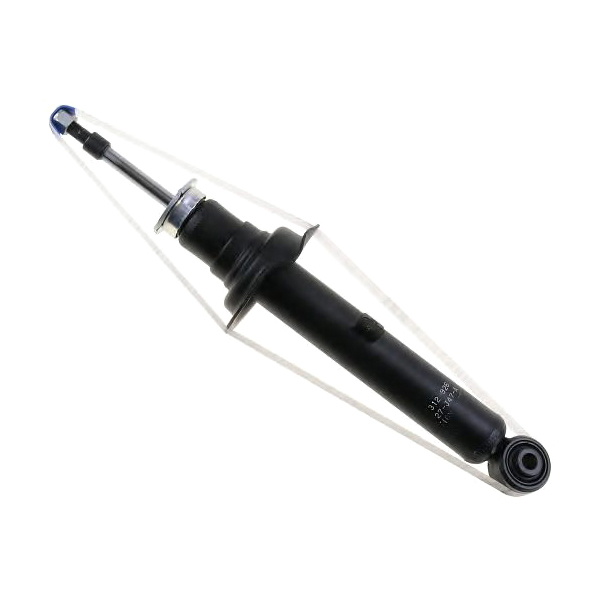
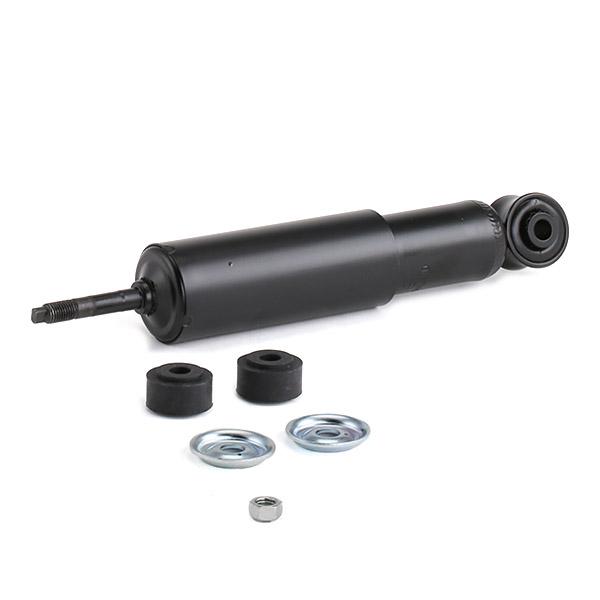
Weather conditions can have a significant impact on the performance of heavy-duty truck shock absorbers. These components play a crucial role in ensuring vehicle stability and safety, especially when dealing with various weather challenges. In this article, we’ll explore how different weather conditions influence the effectiveness of shock absorbers and provide recommendations on choosing and maintaining shock absorbers suitable for specific climates.
1. The Impact of Weather Conditions on Heavy-Duty Truck Shock Absorbers
Heavy-duty truck shock absorbers are engineered to provide vehicle stability across diverse road conditions. However, extreme weather can affect their efficiency and overall performance. Let’s explore how key weather conditions influence the operation of these components:
1.1 Temperature and Humidity
Temperature changes can cause fluid viscosity issues in shock absorbers. In hot climates, the oil inside shock absorbers can become too thin, resulting in poor damping performance. In colder environments, the oil thickens, reducing responsiveness and potentially leading to more wear on the internal components.
High humidity levels can introduce moisture into the shock absorber seals, which may cause rust and corrosion over time, especially if the seals aren’t properly maintained.
1.2 Rain and Wet Conditions
Rainy weather and wet roads pose a unique challenge for heavy-duty truck shock absorbers. Wet conditions increase the load on the suspension system, making shock absorbers work harder to maintain vehicle stability. Additionally, exposure to water can erode the shock absorber's external components, such as seals and bushings.
1.3 Extreme Weather Conditions
Heavy-duty trucks often face harsh weather conditions like snow, ice, and storms. These weather types require shock absorbers to perform under increased strain. Snow and ice create a slippery driving surface, forcing the shock absorbers to respond more quickly to road surface changes. If the shock absorbers aren’t built to handle these changes, they may degrade faster, affecting overall vehicle control.
2. Choosing the Right Shock Absorbers for Specific Weather Conditions
When selecting the best shock absorbers, it's crucial to factor in the weather conditions the vehicle will operate in. The right shock absorbers can ensure smooth performance, even in challenging climates. Below are some tips based on specific weather conditions:
2.1 Shock Absorbers for Rough Terrain and Harsh Climates
In regions with extreme temperatures or rough terrains, shock absorbers need to withstand frequent shocks and stresses. For example, the best heavy-duty truck shock absorbers for rough terrain are typically designed with advanced materials that handle significant pressure and temperature variations. They often feature heavy-duty seals to prevent moisture intrusion and are built to perform in both high and low-temperature environments.
Table: Comparison between shock absorbers for rough terrain vs standard shock absorbers
| Shock Absorber Type | Rough Terrain | Standard Terrain |
| Seal Durability | High, moisture-resistant | Moderate, basic seals |
| Shock Absorption Capacity | High capacity for irregular surfaces | Standard capacity for flat roads |
| Material Strength | Reinforced materials for harsh environments | Standard materials |
2.2 Shock Absorbers for Towing in Harsh Weather
Heavy-duty truck shock absorbers for towing must be capable of handling additional weight and the stresses of high-performance driving. These shock absorbers are designed to offer enhanced damping control, especially in wet or snowy conditions, where traction is critical.
3. Maintaining Shock Absorbers in Different Weather Conditions
To ensure that your shock absorbers perform optimally regardless of weather conditions, it is essential to implement regular maintenance procedures:
3.1 Regular Inspections and Maintenance Tips
For trucks operating in extreme weather conditions, maintenance is crucial to keep shock absorbers functioning correctly. This includes periodic inspections for leaks, ensuring the seals are intact, and checking the oil levels. For colder climates, using shock absorbers with specialized fluids designed for low temperatures can improve performance.
3.2 How to Replace Heavy-Duty Truck Shock Absorbers
When replacing shock absorbers, especially in regions with extreme weather, ensure that the new components are rated for the specific conditions. How to replace heavy-duty truck shock absorbers involves removing old, worn components and installing newer, weather-appropriate options that will offer better resilience in challenging climates.
3.3 Cost-Effective Shock Absorbers
While weather-resistant shock absorbers tend to be more expensive, there are ways to balance cost and quality. Opting for affordable heavy-duty truck shock absorbers doesn’t mean compromising on performance. Focus on choosing shock absorbers that provide the necessary features without unnecessary extras, ensuring that you stay within budget while maintaining vehicle performance.
4. Identifying Signs of Worn Shock Absorbers
It’s important to recognize the signs of deteriorating shock absorbers, especially as they are affected by weather changes:
- Increased vehicle bounce or instability
- Unusual noises, such as clunking or rattling
- Visible fluid leaks from the shock absorber body
- Uneven tire wear
5. Conclusion: Choosing the Right Shock Absorber for Your Weather Conditions
The key to maximizing the performance and longevity of your heavy-duty truck shock absorbers is selecting the right components for your local weather conditions and maintaining them regularly. Whether you operate in hot, cold, or wet environments, proper shock absorber selection and care are essential to keeping your vehicle running smoothly and safely.
Frequently Asked Questions (FAQ)
Q1: How do extreme temperatures affect heavy-duty truck shock absorbers?
Extreme temperatures can cause the shock absorber fluid to thicken or thin, affecting its ability to absorb shocks and maintain vehicle stability.
Q2: What are the best shock absorbers for rough terrain?
Shock absorbers designed for rough terrain are built with reinforced seals, heavy-duty materials, and enhanced damping capacity to handle irregular surfaces and extreme weather.
Q3: Can heavy-duty truck shock absorbers be used for towing in snow or icy conditions?
Yes, but specialized shock absorbers designed for towing in wet or icy conditions offer improved control and durability, ensuring safe towing under challenging conditions.
Q4: How often should I inspect my shock absorbers in extreme weather?
Regular inspections every 6-12 months are recommended, especially if operating in harsh climates. Inspect for leaks, seal integrity, and overall wear.
Q5: Are affordable shock absorbers as durable as high-end ones?
Affordable shock absorbers can still provide excellent performance, but may not offer the same level of durability and weather resistance as premium options. It’s important to balance cost with specific needs.
Latest News
-
Bypass Shocks: Internal vs External Explained for Truck and SUV Owners
When your vehicle’s suspension starts feeling floaty or bottoms out over bumps, the term “bypass sh...2026-09-17
-
4x4 Shock Absorbers: Choosing, Replacing, and Upgrading for Off-Road SUVs
Your 4x4 feels unsettled on gravel, the rear end sways after a bump, and the tyres are wearing fast...2026-09-11
-
Shock Absorber Replacement Cost: Average Prices and Expert Labor Guide
Your service advisor hands you an estimate for replacing two rear shock absorbers: $680 for parts, ...2026-09-04
-
Struts vs Shocks vs Springs: Suspension Parts Explained for Car Owners
Your suspension starts making noise, and the shop says you need a new strut. You ask whether that i...2026-08-28
-
Shocks vs Struts: What's the Difference and How to Choose the Right Suspension Part
When one repair shop says your car needs a strut and another says it needs a shock absorber, the tw...2026-08-21
-
Coilovers vs Struts: Key Differences, Ride Quality, and How to Choose the Right Setup
The Short Answer Standing in front of two suspension parts that look almost identical, it is easy t...2026-08-14
Quick Links
Contact Us
-
 +86-13757453333
 -
 +86-572-8355557
 -
 Caroline@gerep.cn
 -
 No. 36, South Zhenxing Rd., Zhongguan Town, Deqing County, Huzhou, Zhejiang, China
Please Enter Your Information
Copyright © Gerep Automotive Parts Mfg Co., Ltd. All Rights Reserved.
Custom Variable Durable Shock Absorbers Manufacturers
