 EN
EN  English
 Español

News
 Home / Blogs / Industry News / Strut Assembly vs Shock Absorber: What Is the Difference and When Should You Replace the Complete Strut?
 Strut Assembly vs Shock Absorber: What Is the Difference and When Should You Replace the Complete Strut?
 2026.03.01
 Industry News
The terms "shock absorber" and "strut" are often used interchangeably in everyday conversation, but they describe two distinct suspension components with different designs, different structural roles in the vehicle, and different replacement requirements. For repair shops, fleet maintenance teams, and parts distributors sourcing suspension components, understanding the difference between a strut and a shock absorber — and specifically what a "complete strut assembly" includes compared to a bare shock absorber — is essential for ordering the right part and advising customers correctly on what their vehicle actually needs.
Getting this wrong is a common and costly sourcing error: ordering a bare shock absorber where a complete strut assembly is required results in a component that physically cannot be installed without additional parts that were not ordered, adding time, cost, and a second parts order to what should have been a straightforward repair.
What Is a Shock Absorber?
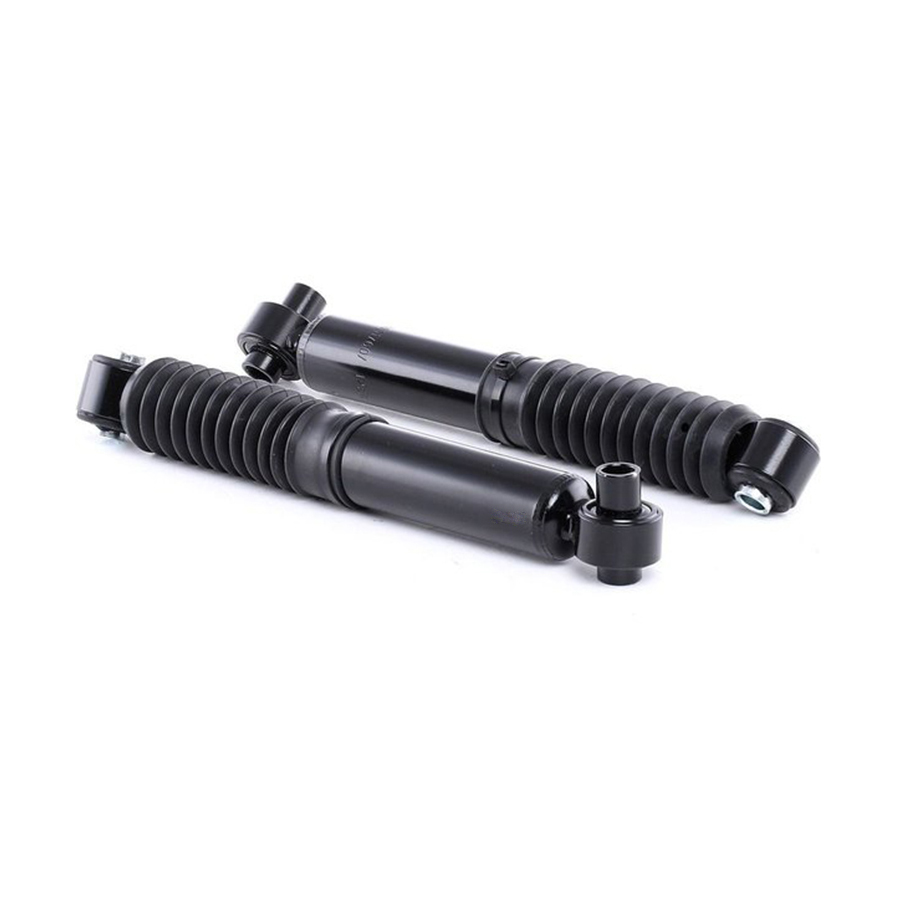
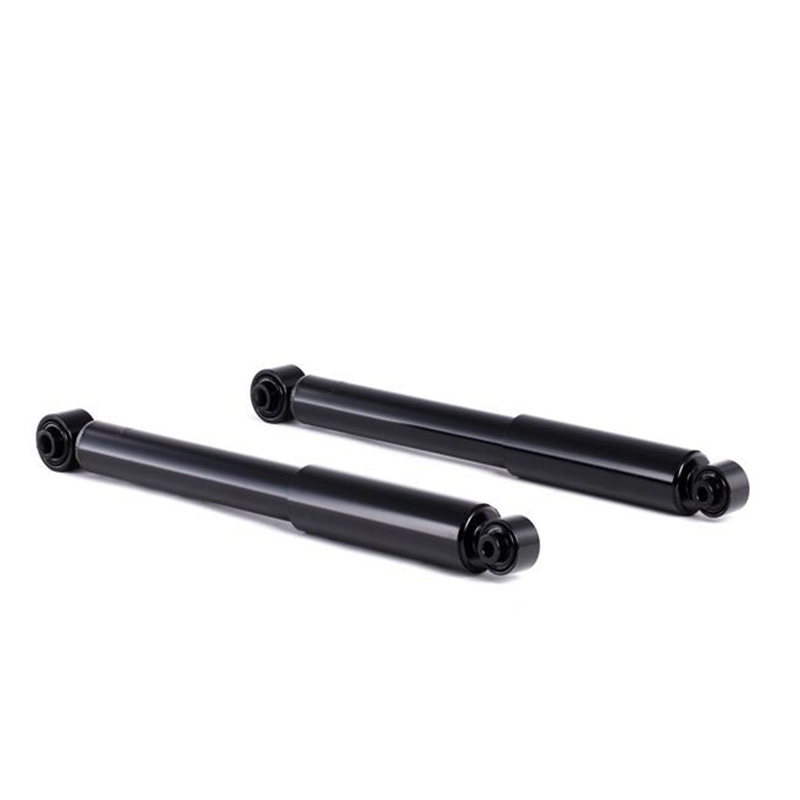
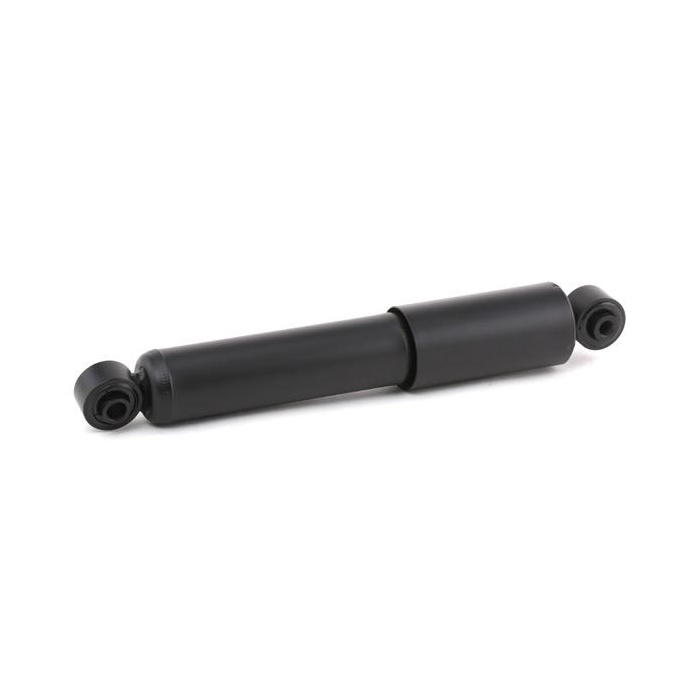
A shock absorber (also called a damper) is a hydraulic device that controls the rate at which the suspension moves — specifically, it dampens the oscillation of the spring after a bump or road irregularity, preventing the vehicle from continuing to bounce after the spring has compressed and rebounded. Without damping, a spring would compress under a bump and then continue bouncing up and down for many cycles before friction eventually dissipates the energy — an uncontrollable and unsafe condition.
The shock absorber consists of a piston moving inside an oil-filled cylinder. As the suspension moves, the piston forces hydraulic fluid through calibrated orifices, converting the kinetic energy of suspension movement into heat in the fluid. The resistance to piston movement — the damping force — is what controls suspension motion. Twin-tube shock absorbers (the most common design in passenger car applications) have an inner working cylinder and an outer reserve tube; monotube designs (used in performance and heavy-duty applications) have a single larger tube with a floating gas-charged piston separating the oil from a pressurized nitrogen gas chamber.
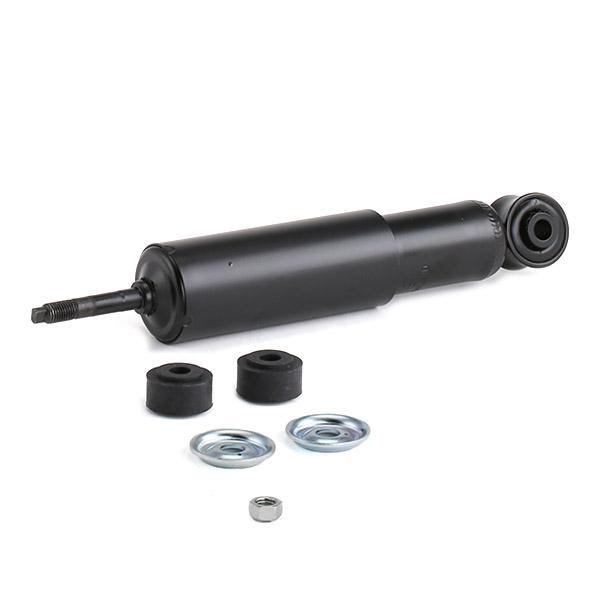
In vehicles where the shock absorber is used in a non-structural position — typically the rear suspension of many passenger cars, and front and rear positions in vehicles with separate spring-and-damper suspension designs — the shock absorber is a standalone component. It mounts between the suspension arm or axle below and a body or chassis mount above, with the spring sitting separately on its own spring seat. In this configuration, replacing the shock absorber means replacing only the damper unit — the spring, upper mount, and spring seat are separate components that are not part of the shock absorber assembly itself.
What Is a Strut (MacPherson Strut)?
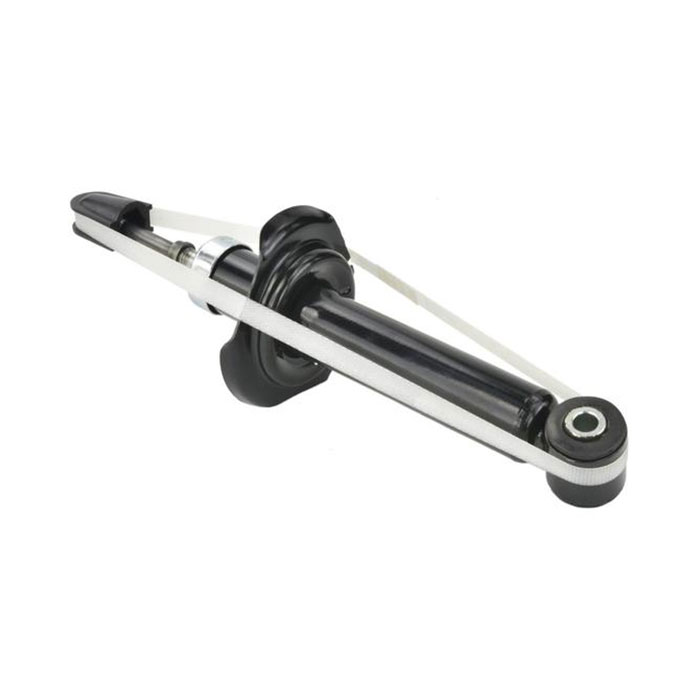
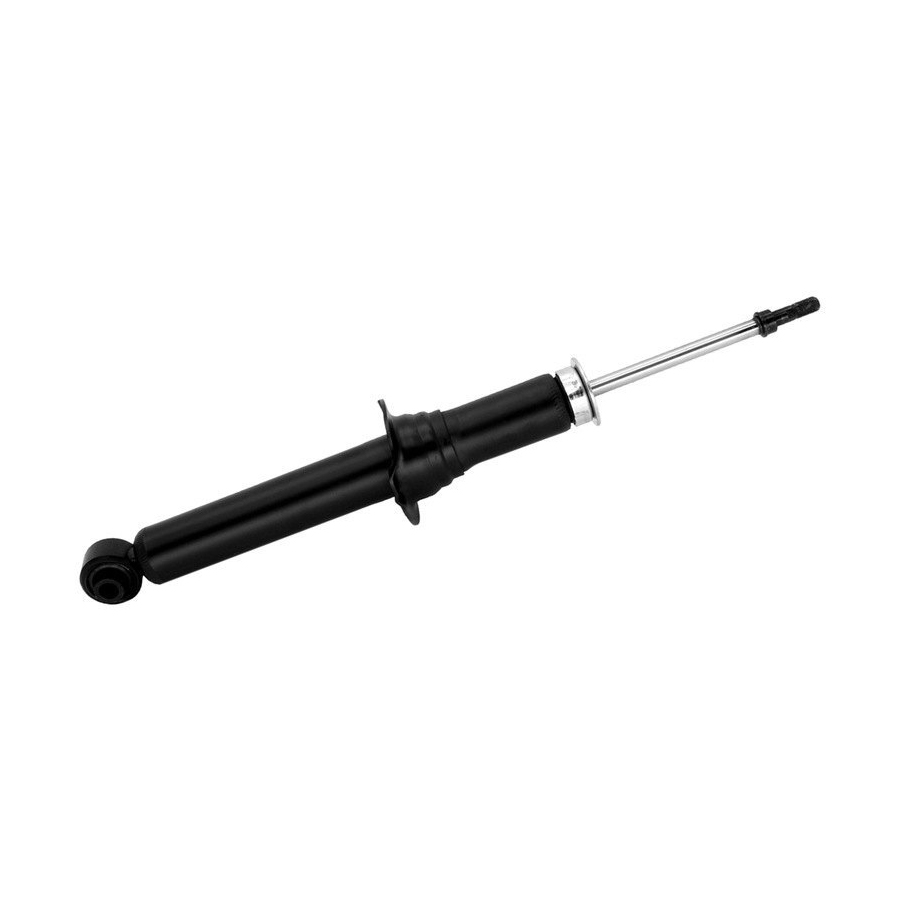
A strut — more precisely, a MacPherson strut, the most widely used strut design in modern passenger cars — is a suspension component that combines the shock absorber's damping function with a structural role in the suspension geometry. Unlike a pure shock absorber installation, where the damper simply connects two existing suspension members, a MacPherson strut serves simultaneously as the damper, the upper pivot point of the wheel's steering axis (in front strut applications), and a structural load-bearing member of the suspension system. The vehicle's body weight loads the strut vertically; the coil spring (which sits concentric around the strut body in most designs) carries the sprung weight of the vehicle; and the strut's piston rod provides the damping function.
Because the strut is a structural suspension member — not just a bolt-in damper — it must be connected at its top to the vehicle body through a strut mount (also called an upper mount or top mount) that allows the strut to pivot as the wheel steers and turns. This strut mount typically contains a bearing (to allow rotation) and rubber bushings (to isolate road noise and vibration from the body). The strut mount is a separate component at the top of the strut that is NOT part of the bare strut itself — it is mounted between the strut and the vehicle body.
What Is a Complete Strut Assembly?
A complete strut assembly (also called a loaded strut, quick-strut, or pre-assembled strut) is a fully assembled unit that combines all the components needed for a complete strut replacement in a single ready-to-install assembly:
- The strut (damper/shock unit) — the hydraulic damping element itself
- The coil spring — the vehicle's weight-bearing spring, compressed and pre-installed around the strut body
- The upper strut mount / top mount — the bearing and rubber isolation mount that connects the top of the strut to the vehicle body
- The spring seat(s) — upper and lower spring isolators that cushion and locate the spring ends
- The dust boot and bump stop — the protective cover over the piston rod and the rubber buffer that limits strut travel at full compression
When a complete strut assembly is ordered and delivered, the technician removes the old strut assembly from the vehicle and bolts in the new pre-assembled unit — no spring compressor is required, no disassembly of the old strut is needed, and no alignment of individual components is required during installation. The entire replacement takes significantly less labor time than replacing a bare strut and reusing or separately sourcing the spring, mount, and other components.
Strut vs. Shock Absorber: Side-by-Side Comparison
| Property | Strut (MacPherson) | Shock Absorber |
|---|---|---|
| Structural role | Structural — part of the suspension geometry; vehicle body loads it directly; serves as the steering axis pivot in front applications | Non-structural — connects two existing suspension members; does not carry body weight or define steering geometry |
| Spring location | The coil spring sits concentrically around the strut body in most designs; the spring and strut form an integrated unit | Spring is separate from the shock absorber — mounted on a separate spring seat and perch, not on the shock absorber body |
| Upper mount | Requires a strut mount with bearing to allow steering rotation; the mount is a critical separate component | Simple rubber bush mount in most designs; no bearing required as the shock body does not rotate |
| Typical vehicle position | Front suspension on most modern front-wheel-drive and many all-wheel-drive/rear-wheel-drive passenger cars; some rear strut designs exist | Rear suspension on many passenger cars (with separate spring); front and rear on vehicles with double-wishbone, multi-link, or solid axle suspensions |
| Replacement scope | Complete strut assembly replaces strut + spring + mount + spring seats + dust boot in one pre-assembled unit; bare strut replacement requires spring compressor and individual components | Shock absorber unit replaces as a standalone; spring and mounts typically not replaced at the same time unless separately worn |
| Labor time (complete replacement) | Shorter with complete strut assembly (no spring compression needed); longer with bare strut (spring must be compressed, mount installed, components assembled) | Generally shorter — shock is a standalone bolt-in/bolt-out replacement in most rear applications |
| Wheel alignment | Front strut replacement almost always requires a wheel alignment afterward — strut geometry directly affects camber and caster | Rear shock replacement typically does not affect alignment on most vehicles; check vehicle-specific requirements |
When to Replace the Complete Strut Assembly vs. Just the Strut Insert
When a vehicle comes in with strut-related complaints — ride harshness, poor handling, noise over bumps, uneven tire wear — the decision of what to replace depends on which components have failed or are approaching the end of their service life:
Replace the complete strut assembly when: The strut is leaking or has lost damping (the primary failure); the upper strut mount bearing is worn (felt as a clunking or grinding noise during steering, particularly on slow turns in parking); the coil spring is cracked or broken (visible on inspection or heard as a clunk over bumps and during turns); the bump stop is deteriorated (vehicle bottoms out with a harsh thud over large bumps). In most repair shop settings, when the strut itself has failed, replacing the complete assembly is the recommended practice — the spring, mount, and bushings have accumulated the same service miles and are commonly at or approaching the end of their service life concurrently. Replacing all components at once avoids a return visit in short order when the mount bearing or spring fails shortly after a bare strut replacement.
Replace just the strut insert (cartridge) when: The strut housing itself is in good condition and the spring, mount, and other components have been inspected and confirmed serviceable; the repair is on a vehicle where bare strut inserts (cartridges) are the standard replacement format and the housing is reused (some European vehicle designs use this approach); cost minimization is a specific requirement and the owner accepts the risk of returning sooner for mount/spring work.
Signs Your Strut Assembly Needs Replacement
Oil is leaking from the strut body. Hydraulic oil seeping down the strut body from the seal area is the most definitive sign that the strut's internal seal has failed and the damping fluid is escaping. A strut leaking oil has degraded damping performance regardless of how it feels — oil loss means reduced fluid volume and reduced damping force.
Nose-dive under braking, squat under acceleration. Struts that have lost damping force no longer control weight transfer effectively. Pronounced nose dive when braking — the front of the vehicle dipping sharply — and excessive rear squat under acceleration are characteristic of worn front and rear dampers, respectively.
Cupping or scalloping on the tire tread. A worn strut allows excessive wheel hop — the wheel bouncing up and down rapidly on rough surfaces rather than maintaining consistent road contact. This wheel hop scrubs the tread in a scalloped pattern across the tire width. Cupped tires with no other obvious alignment or balance explanation are a reliable indicator of worn dampers.
A clunking or knocking noise over bumps or during turning. A clunk from the front suspension during low-speed turns or over bumps is often a worn strut mount bearing (the bearing that allows the strut to rotate during steering). The mount has a finite bearing life and commonly fails around the same time as the strut itself — a complete strut assembly includes a new mount bearing.
Vehicle continues bouncing after bump (rebound test). Push down sharply on one corner of the vehicle and release — a vehicle with good dampers will settle to ride height in one or at most two body motions. A vehicle that continues to oscillate two or more times before settling has insufficient damping at that corner.
Frequently Asked Questions
Do I need to replace struts in pairs?
The standard professional recommendation is to replace struts in axle pairs — both front struts at the same time, or both rear struts at the same time — rather than replacing only the failed side. The reason: the strut on the opposite side has accumulated the same mileage and environmental exposure as the failed one and is typically in a similar state of wear. Replacing only one side leaves a significant damping imbalance — the new strut damps more effectively than the old one — which causes the vehicle to pull to the new-strut side under braking (the stiffer side controls weight transfer more effectively, pulling the vehicle toward it). For fleet vehicles where cost minimization per service event is managed closely, single-side replacement is practiced, but a second replacement is typically scheduled for the opposite side within a short mileage interval.
Does replacing a strut assembly require a wheel alignment?
For front strut replacement, yes — a four-wheel alignment should be performed after any front strut or strut mount replacement. The strut geometry directly determines the front wheel's camber angle, and camber can change when the strut is replaced, particularly if there was any deformation in the old mount or if the new assembly has slightly different geometry at the mount contact surface. Driving on a vehicle with incorrect camber after strut replacement wears the tires unevenly and affects straight-line tracking. Rear strut replacement on most vehicles does not change alignment, but the vehicle-specific service information should be checked — some rear multi-link designs with adjustable rear camber are affected by rear strut replacement.
What is the typical service life of a strut assembly?
The widely cited guidance from suspension component manufacturers and professional repair associations is that shock absorbers and struts should be inspected for wear at 80,000 km (50,000 miles) and considered for replacement if showing wear signs; many struts in normal passenger car use last 100,000–160,000 km before replacement is warranted. However, service life varies significantly with road surface quality — vehicles operating on rough, potholed, or unpaved roads accumulate strut wear much faster than those operated primarily on smooth highways. Severe off-road use, heavy loading, and performance driving all accelerate wear. Service life of the strut mount and spring may differ from the strut itself — mounts commonly show wear (bearing play, rubber cracking) before the strut hydraulic unit fails, which is one reason complete strut assembly replacement is often the economically sound choice when any strut-related complaint presents.
Strut Assemblies and Shock Absorbers from Gerep Automotive Parts
Gerep Automotive Parts Mfg Co., Ltd., Deqing, Zhejiang, manufactures complete strut assemblies, strut inserts, and shock absorbers for passenger cars, SUVs, and commercial vehicles across a wide range of vehicle makes including Toyota, Honda, Volkswagen, BMW, Mercedes-Benz, Ford, Hyundai, Kia, Nissan, Mitsubishi, Subaru, Mazda, Peugeot, Citroen, Opel, Fiat, Chevrolet, Audi, and many more. Complete strut assemblies are pre-assembled for direct bolt-in installation. Products designed and tested to meet OEM specifications for ride quality, damping performance, and service life. Available for export to global aftermarket distribution. OEM and private label programs available.
Contact us with your vehicle make, model, year, and required position (front/rear, left/right) to confirm parts availability and pricing.
Related Products: Strut Assembly | Passenger Car Shock Absorber | Coilover Kits | Spring Seat | Heavy-Duty Truck Shock Absorber
Latest News
-
Bypass Shocks: Internal vs External Explained for Truck and SUV Owners
When your vehicle’s suspension starts feeling floaty or bottoms out over bumps, the term “bypass sh...2026-09-17
-
4x4 Shock Absorbers: Choosing, Replacing, and Upgrading for Off-Road SUVs
Your 4x4 feels unsettled on gravel, the rear end sways after a bump, and the tyres are wearing fast...2026-09-11
-
Shock Absorber Replacement Cost: Average Prices and Expert Labor Guide
Your service advisor hands you an estimate for replacing two rear shock absorbers: $680 for parts, ...2026-09-04
-
Struts vs Shocks vs Springs: Suspension Parts Explained for Car Owners
Your suspension starts making noise, and the shop says you need a new strut. You ask whether that i...2026-08-28
-
Shocks vs Struts: What's the Difference and How to Choose the Right Suspension Part
When one repair shop says your car needs a strut and another says it needs a shock absorber, the tw...2026-08-21
-
Coilovers vs Struts: Key Differences, Ride Quality, and How to Choose the Right Setup
The Short Answer Standing in front of two suspension parts that look almost identical, it is easy t...2026-08-14
Quick Links
Contact Us
-
 +86-13757453333
 -
 +86-572-8355557
 -
 Caroline@gerep.cn
 -
 No. 36, South Zhenxing Rd., Zhongguan Town, Deqing County, Huzhou, Zhejiang, China
Please Enter Your Information
Copyright © Gerep Automotive Parts Mfg Co., Ltd. All Rights Reserved.
Custom Variable Durable Shock Absorbers Manufacturers
