 EN
EN  English
 Español

News
 Home / Blogs / Industry News / Why Are Rear Shock Absorbers So Crucial to a Car's Comfort and Handling?
 Why Are Rear Shock Absorbers So Crucial to a Car's Comfort and Handling?
 2025.12.01
 Industry News
In the modern automotive industry, driving comfort and stability are increasingly important for passenger cars, and the performance of the rear suspension system directly impacts the vehicle's overall performance. As an indispensable key component of the suspension system, Passenger Car Shock Absorber Rear performs multiple functions, including absorbing shocks, controlling body vibrations, and improving handling.
Basic Structure and Types of Rear Shock Absorbers
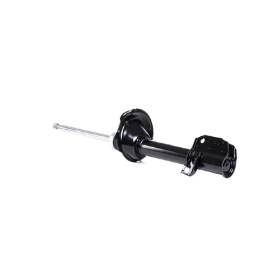
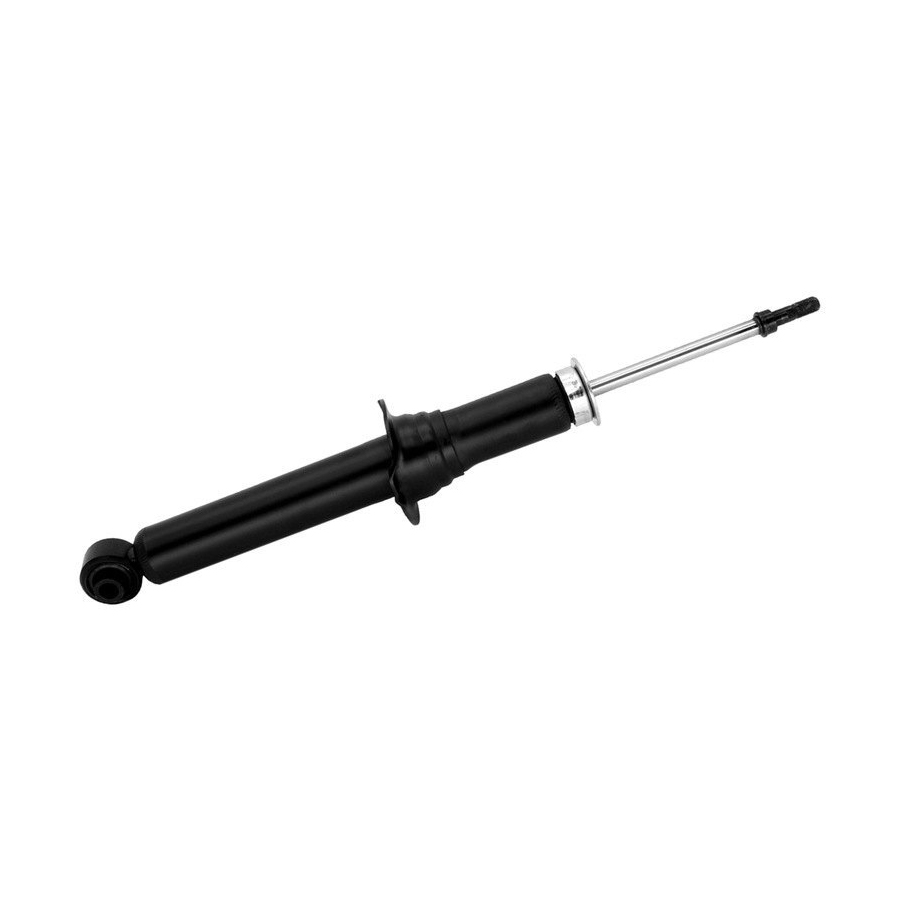
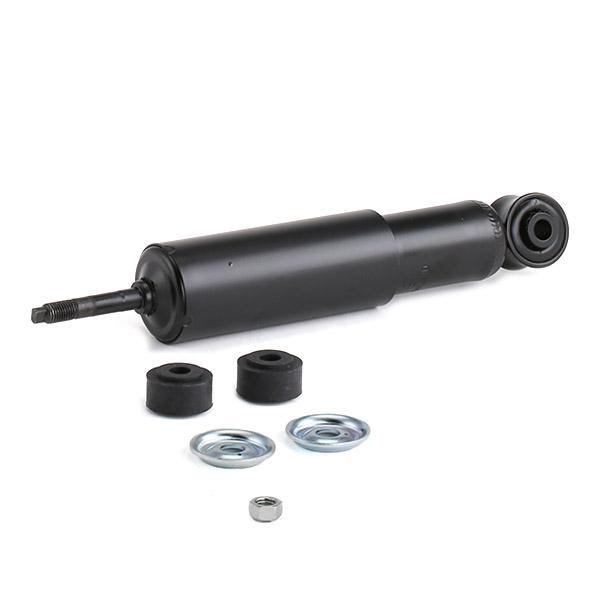
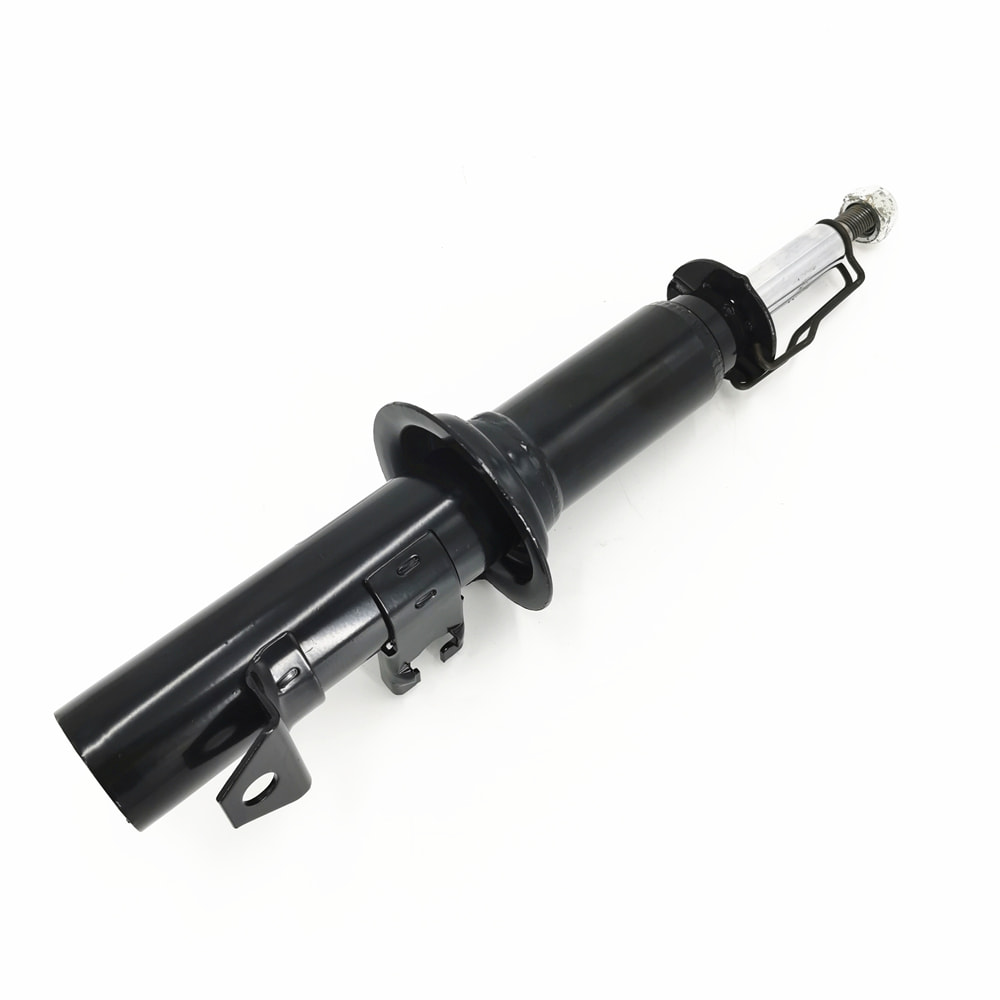
Passenger car rear shock absorbers typically consist of a cylinder, piston, piston rod, hydraulic or gas fluid, and sealing devices. Their structural design directly determines the shock absorber's performance. Based on their damping characteristics, rear shock absorbers can be classified as hydraulic shock absorbers, pneumatic shock absorbers, and adjustable shock absorbers. Hydraulic shock absorbers rely on the flow of internal fluid to generate resistance, thereby reducing body vibrations; pneumatic shock absorbers provide additional support through gas pressure, keeping the vehicle stable under varying loads; adjustable shock absorbers allow damping to be adjusted according to driving needs, achieving a balance between comfort and handling.
Modern high-performance passenger vehicles often employ monotube or twin-tube rear shock absorbers. Monotube shock absorbers are compact, have low heat fade, and are suitable for aggressive driving environments; twin-tube shock absorbers offer better durability and cost advantages, making them suitable for everyday passenger vehicles. This diversity in designs meets the needs of different vehicle models and driving scenarios.
Working Principle and Dynamic Performance
The core function of the rear shock absorber is to convert and release the vibration energy of the wheels into heat energy, thereby reducing vehicle sway. Its working principle primarily relies on the damping effect of a piston in oil or gas. When the vehicle travels on uneven surfaces, the up-and-down movement of the wheels drives the piston within the shock absorber. Oil flows through the piston channels, generating resistance and absorbing the impact force transmitted from the wheels. The magnitude of the damping force directly affects the vehicle's comfort and handling stability.
The rear shock absorber not only provides support during straight-line driving but also plays a crucial role during steering, braking, and acceleration. It effectively controls body roll and pitch, keeping the tires in optimal contact with the ground, thereby improving vehicle grip and handling response. High-performance shock absorbers are designed with optimized damping curves to ensure vehicle stability under varying speeds and road conditions, balancing comfort and sportiness.
Performance Characteristics and Optimization Directions
In passenger car rear suspension systems, shock absorber performance directly impacts the overall vehicle feel and driving experience. High-quality rear shock absorbers are characterized by efficient shock absorption, low noise, high durability, and good temperature stability. Furthermore, with the development of new energy vehicles and intelligent driving technologies, shock absorbers are showing significant optimization trends in lightweighting, electronic adjustment, and intelligent feedback. Electronically controlled adjustable shock absorbers can adjust damping force in real time based on vehicle speed, road conditions, and driving mode, achieving a dynamic balance between vehicle comfort and handling.
The durability and stability of rear shock absorbers are crucial indicators for evaluating their performance. High-temperature environments, prolonged vibration, and load variations all affect the viscosity of the internal fluid and the durability of the seals. Therefore, material selection and sealing technology have become key directions in modern shock absorber development. The strength and corrosion resistance of the metallic materials, as well as the wear resistance and aging resistance of the seals, directly determine the service life and stability of the shock absorber.
The Role of Rear Shock Absorbers in Vehicle Design
The rear shock absorber in a passenger car is not merely a standalone component; its design and performance have a profound impact on the vehicle's dynamic performance. Proper damping design can improve vehicle comfort, reduce driver fatigue, and enhance driving safety. For rear-wheel drive or four-wheel drive vehicles, the design of the rear shock absorber is particularly important because it directly affects the distribution of traction to the rear wheels and the vehicle's stability during acceleration and cornering.
As consumers' demands for driving experience increase, shock absorber tuning has become a crucial aspect of vehicle tuning. Manufacturers typically optimize the damping characteristics of the rear shock absorber through multiple rounds of testing and simulation calculations, enabling the vehicle to achieve a smooth response under various road conditions. This shock absorber optimization, stemming from the overall vehicle design, reflects the core value of shock absorbers in modern automotive engineering.
Purchase and Maintenance Recommendations
Choosing the right rear shock absorber for a passenger car requires comprehensive consideration of vehicle type, driving habits, and driving environment. High-quality shock absorbers not only improve vehicle comfort but also extend the lifespan of the suspension system and tires. Meanwhile, regular inspection and maintenance of the rear shock absorbers are essential for maintaining vehicle performance. Routine maintenance includes checking for oil leaks, inspecting the tightness of shock absorber mounting hardware, and monitoring changes in damping performance. Timely replacement of worn or failed shock absorbers ensures vehicle stability and safety.
The rear shock absorber in passenger vehicles is a crucial component for ensuring driving comfort and safety. Its structural design, operating principles, performance optimization, and maintenance management all require significant expertise and technical skill. With continuous advancements in automotive technology, the trend towards intelligent, electronic, and high-performance rear shock absorbers is becoming increasingly prominent.
Latest News
-
Bypass Shocks: Internal vs External Explained for Truck and SUV Owners
When your vehicle’s suspension starts feeling floaty or bottoms out over bumps, the term “bypass sh...2026-09-17
-
4x4 Shock Absorbers: Choosing, Replacing, and Upgrading for Off-Road SUVs
Your 4x4 feels unsettled on gravel, the rear end sways after a bump, and the tyres are wearing fast...2026-09-11
-
Shock Absorber Replacement Cost: Average Prices and Expert Labor Guide
Your service advisor hands you an estimate for replacing two rear shock absorbers: $680 for parts, ...2026-09-04
-
Struts vs Shocks vs Springs: Suspension Parts Explained for Car Owners
Your suspension starts making noise, and the shop says you need a new strut. You ask whether that i...2026-08-28
-
Shocks vs Struts: What's the Difference and How to Choose the Right Suspension Part
When one repair shop says your car needs a strut and another says it needs a shock absorber, the tw...2026-08-21
-
Coilovers vs Struts: Key Differences, Ride Quality, and How to Choose the Right Setup
The Short Answer Standing in front of two suspension parts that look almost identical, it is easy t...2026-08-14
Quick Links
Contact Us
-
 +86-13757453333
 -
 +86-572-8355557
 -
 Caroline@gerep.cn
 -
 No. 36, South Zhenxing Rd., Zhongguan Town, Deqing County, Huzhou, Zhejiang, China
Please Enter Your Information
Copyright © Gerep Automotive Parts Mfg Co., Ltd. All Rights Reserved.
Custom Variable Durable Shock Absorbers Manufacturers
