 EN
 English
 Español



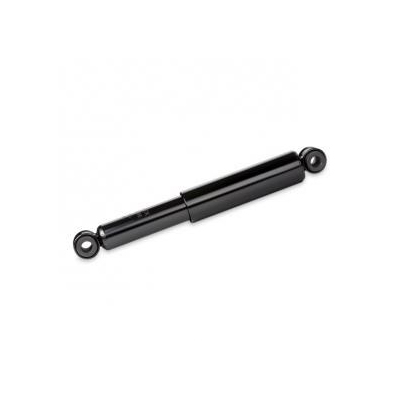
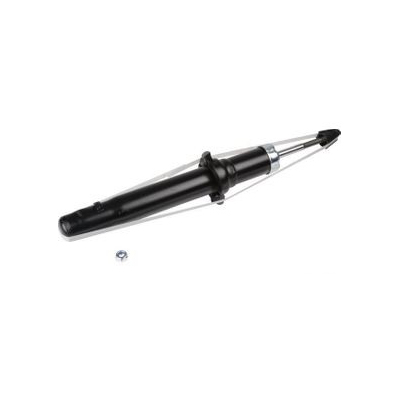
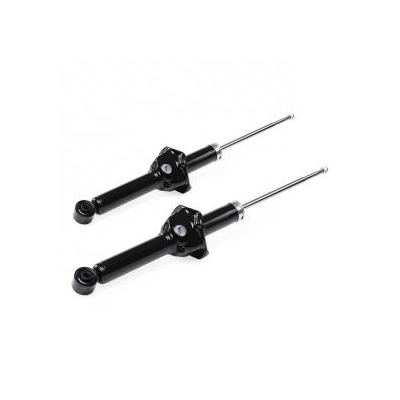
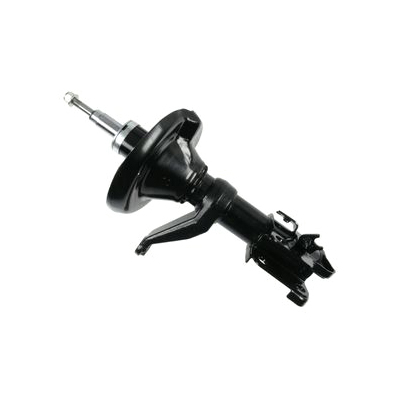
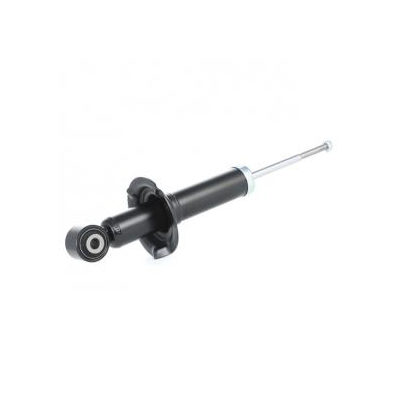
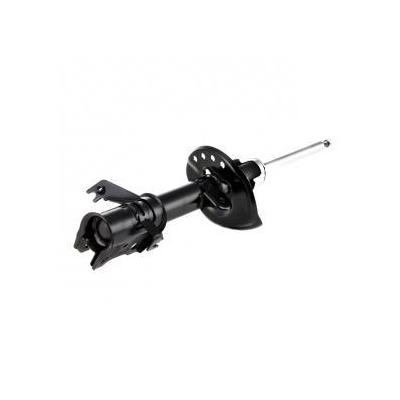
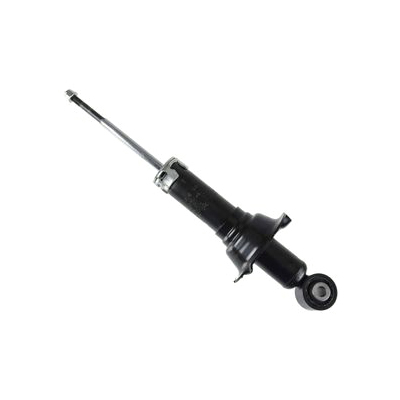
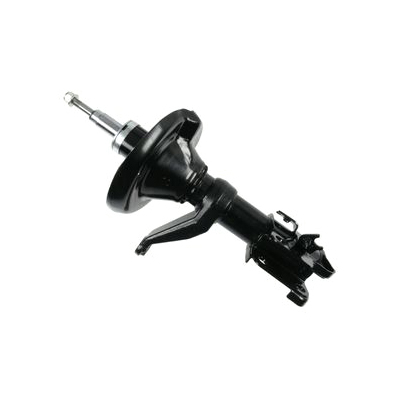
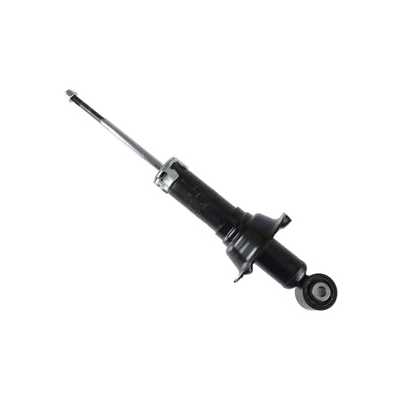
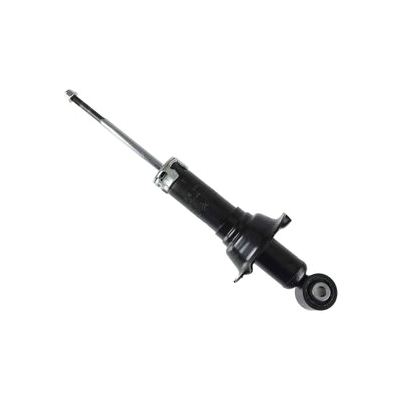
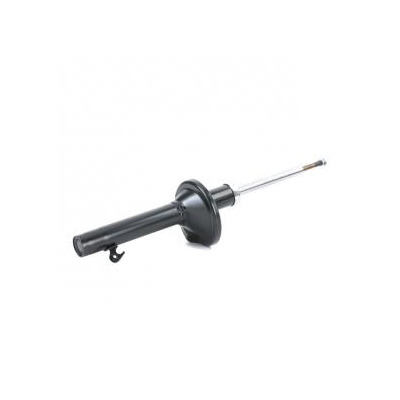
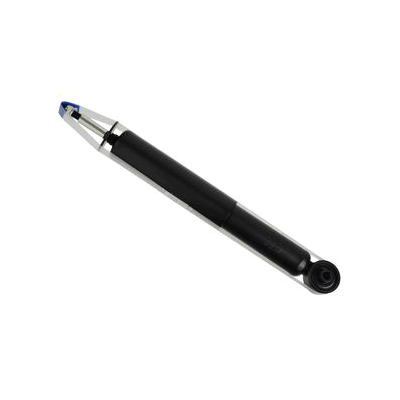
Ask a fleet workshop why a set of dampers came off a vehicle last year and the answer is rarely that they wore out. It is usually that the truck floated when loaded, or that the rear axle stepped sideways on washboard ...
READ MOREOff Road Dampers Rear, Front Manufacturers
Off-road shock absorbers are designed to absorb and dampen impacts from uneven and rough terrain, enhancing vehicle stability and comfort during off-road driving.
Types:
Twin-Tube Shock Absorbers: Commonly used in off-road applications, providing good heat dissipation and performance under various conditions.
Monotube Shock Absorbers: Offer better performance and responsiveness due to their single-chamber design, suitable for aggressive off-road driving.
Reservoir Shock Absorbers: Feature an external reservoir for increased fluid capacity and heat management, ideal for extreme conditions.
Working Principle:
When the vehicle encounters obstacles, the piston within the shock absorber moves through fluid, controlling its flow to absorb shocks and minimize body movement.
Damping Characteristics:
Adjustable Damping: Many off-road shocks come with adjustable settings to tailor the damping force for different terrains and driving styles.
Progressive Damping: Provides varying levels of resistance depending on the speed and magnitude of the impact, enhancing performance on rough terrain.
Durability and Construction:
Off-road shock absorbers are built with robust materials to withstand harsh environments, including corrosion-resistant coatings and reinforced designs.
Importance:
They play a crucial role in maintaining tire contact with the ground, improving traction and handling while reducing the risk of bottoming out on rough surfaces.
Maintenance and Replacement:
Regular checks are essential to ensure proper function. Signs of wear, such as leakage or unusual noises, indicate that replacement is necessary for optimal performance.
In summary, off-road shock absorbers are essential components that enhance vehicle performance and safety in rugged environments, providing a smoother ride and better control on challenging terrains.
About Gerep
Gerep Automotive Parts Mfg Co., Ltd.
Gerep Automotive Parts Mfg Co., Ltd. is a manufacturer of automotive accessories, headquartered in Deqing County, Zhejiang Province, specializing in automotive suspension systems research, development, manufacturing, and sales.We are China Wholesale Off Road Dampers Rear, Front Manufacturers and OEM/ODM Off Road Dampers Rear, Front Factory. GEREP integrates production, R&D, and sales, as well as more than 50 professional technicians,10 senior engineers, and 20 QA inspectors.GEREP products are widely used in Volkswagen, Audi, Benz, BMW, Opel, Fiat, Peugeot, Renault, Toyota, Honda, Nissan, Mitsubishi, Hyundai, Kia, Daewoo, and other vehicle suspension systems.
As a professional manufacturer and exporter in China, GEREP has always focused on high technology and carried out the strategy of the “GEREP” Brand. Our company imports advanced equipment from Germany. Now we have our own high-precision processing center, mold development center, new products development center, and testing center. GEREP constantly incorporates new materials and designs to ensure optimum performance and long service life. GEREP gets good evaluations on high quality in both domestic and international markets, and products exported to Europe, America, Asia, Africa, the Middle East, and Australia, etc.
Blogs
-
-
A workshop quoting dampers for a 2012 Land Cruiser and a 2025 electric crossover is quoting two different engineering problems. The Land Cruiser has to survive corrugated gravel at 3.5 tonnes gross weight; the crossove...
READ MORE -
A 2026-model electric mid-size SUV carries roughly 350 to 400 kg more sprung mass than the combustion version it replaced, and it does so on damper bodies only a few millimetres longer. That packaging squeeze explains ...
READ MORE
Off-Road Damper Industry knowledge
What are the differences between the front and rear designs of off-road shock absorbers? What are the differences in their functions and structures?
There are indeed some differences in the design of off-road shock absorbers in the front and rear, which are mainly reflected in the following aspects:
1. Functional differences
Front shock absorbers: The front shock absorbers are usually responsible for bearing the steering load of the vehicle and the dynamic impact of the front suspension. In off-road driving, the functions of the front shock absorbers also include controlling the stability of the vehicle when turning and improving handling.
Rear shock absorbers: The rear shock absorbers are mainly used to control the stability of the rear suspension of the vehicle and absorb the impact from the ground. When driving off-road, the rear shock absorbers are more responsible for maintaining the balance of the vehicle and improving traction.
2. Structural differences
Front shock absorbers: The design of front shock absorbers usually needs to pay more attention to directional stability, handling and shock absorption. Since the front suspension bears a larger force, the structure of the front shock absorbers may adopt a harder damping setting to cope with the forward impact and steering load of the vehicle.
Rear shock absorbers: The design of the rear shock absorbers focuses more on the load of the spring and the longitudinal stability of the vehicle. To cope with large longitudinal impacts (such as when passing steep slopes or crossing obstacles), the rear shock absorbers usually need to have a higher load-bearing capacity and may use a softer damping setting to maintain the comfort of the vehicle.
3. Damping adjustment
Front shock absorbers: The front shock absorbers usually need more "rebound damping" to ensure that they can quickly recover and maintain the vehicle's handling when turning. Too soft damping will cause the front to be loose and affect steering precision.
Rear shock absorbers: The rear shock absorbers need more "compression damping" to help the vehicle better absorb the forces generated when going downhill or in severe impacts. The adjustment of the rear shock absorbers often focuses more on stability and comfort, especially when carrying or towing.
4. Stroke length
Front shock absorbers: The stroke of the front shock absorbers is usually shorter because the compression stroke of the front suspension of the vehicle is limited, and it is mainly responsible for controlling the vertical movement and steering stability of the front axle.
Rear shock absorbers: Rear shock absorbers tend to have longer travel, especially when carrying heavy loads or crossing large obstacles, the rear suspension needs a larger vertical range of motion to absorb the impact.
5. Installation location and connection method
Front shock absorbers: Front shock absorbers are generally directly connected to the steering system and front suspension system. Because they need to withstand greater steering forces, their fixing method may be more secure and there will be additional support structures to maintain stability.
Rear shock absorbers: Rear shock absorbers are more connected to the rear suspension system and the frame. They often use longer rods and more complex connection structures, especially in high-load and high-impact environments.
Latest News
-
The 140th Canton Fair
Heading to Canton Fair 140th 2026 Source factory of auto spa...2026-10-10
-
Key Developments in Automotive Suspension Parts: Trends to Watch in 2026
A workshop in the UK orders a rear damper for a 2012 Audi ...2026-10-07
-
Innovations Driving the Automotive Suspension Market: What Buyers Need
Replacing a shock absorber on a 2024 battery-electric seda...2026-09-30
Quick Links
Contact Us
-
 +86-13757453333
-
 +86-572-8355557
-
 Caroline@gerep.cn
-
 No. 36, South Zhenxing Rd., Zhongguan Town, Deqing County, Huzhou, Zhejiang, China
Please Enter Your Information
Copyright © Gerep Automotive Parts Mfg Co., Ltd. All Rights Reserved.
Wholesale Off Road Dampers Rear, Front Manufacturers
