 EN
EN  English
 Español

News
 Home / Blogs / Industry News / Why do Saudi Arabia Car Parts have higher requirements for high-temperature resistance and durability?
 Why do Saudi Arabia Car Parts have higher requirements for high-temperature resistance and durability?
 2026.01.01
 Industry News
In the Middle Eastern automotive aftermarket, Saudi Arabia car parts have always been a key keyword attracting significant attention. Saudi Arabia's unique climate, road conditions, and driving habits place higher demands on automotive parts in terms of material selection, structural design, and durability. Therefore, a deep understanding of the products surrounding Saudi Arabia car parts is crucial, not only for improving procurement and selection efficiency but also for the long-term strategic planning of brands in the local market.
Direct Impact of the Saudi Environment on Automotive Parts Performance
Saudi Arabia experiences consistently high temperatures, dryness, and significant dust, which directly affects the lifespan of automotive parts. Engine system components are more prone to thermal degradation at high temperatures; therefore, Saudi Arabia car parts typically emphasize high-temperature resistance and heat dissipation efficiency in their design. Rubber and plastic parts, if not made with the right material composition, are susceptible to aging and cracking due to prolonged exposure to sunlight, making high-quality raw materials particularly crucial for parts in this region.
At the same time, the dusty environment places higher demands on filtration and sealing systems. Products suitable for Saudi Arabia car parts often prioritize sealing and dustproof capabilities in their structure to ensure the stability and safety of the entire vehicle system. This product adaptation based on usage scenarios is an important criterion for determining whether parts truly meet the needs of the Saudi market.
Product Characteristics of Power and Transmission System Components
In the Saudi Arabia car parts system, power and transmission-related components consistently occupy a central position. Because vehicles in the region are often used for long-distance driving, engine components emphasize stable output and continuous operation capabilities. High-quality metal processing techniques and strict dimensional tolerance control effectively reduce wear and tear and improve overall operational smoothness.
Key components in the transmission system need to maintain good lubrication and wear resistance under high load conditions, which means that relevant products suitable for the Saudi market are more targeted in their surface treatment and internal structure. For Saudi Arabia car parts, product reliability is often more valuable than a single performance parameter.
Adaptation Focus of Chassis and Suspension Components
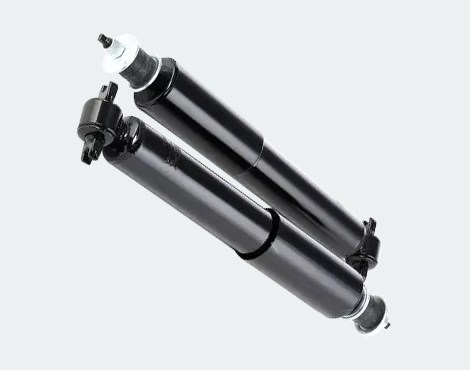
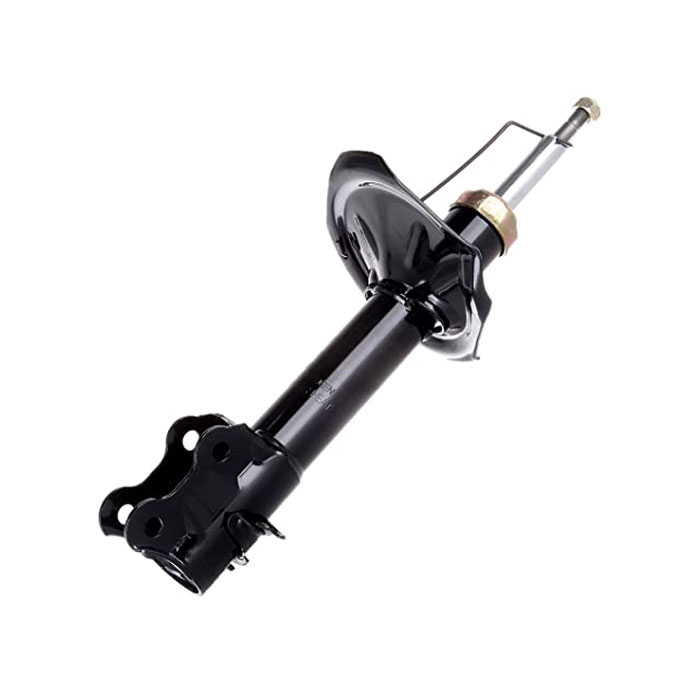
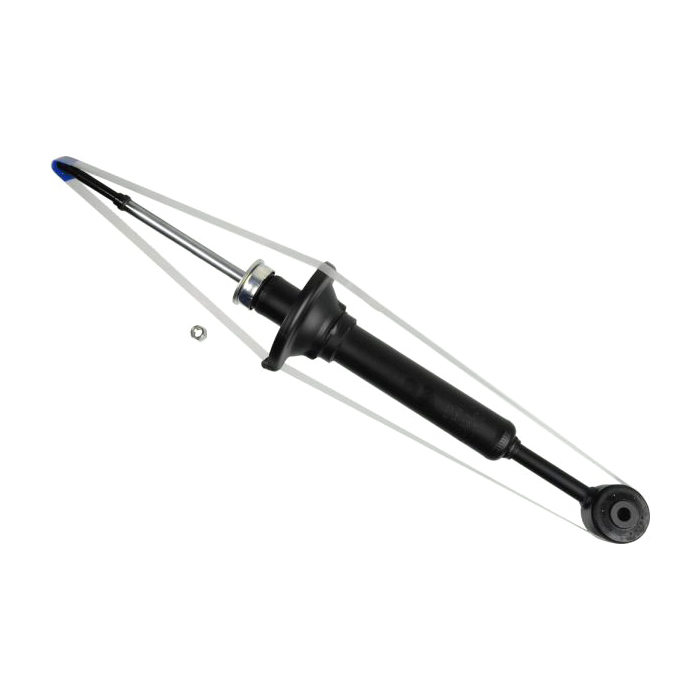
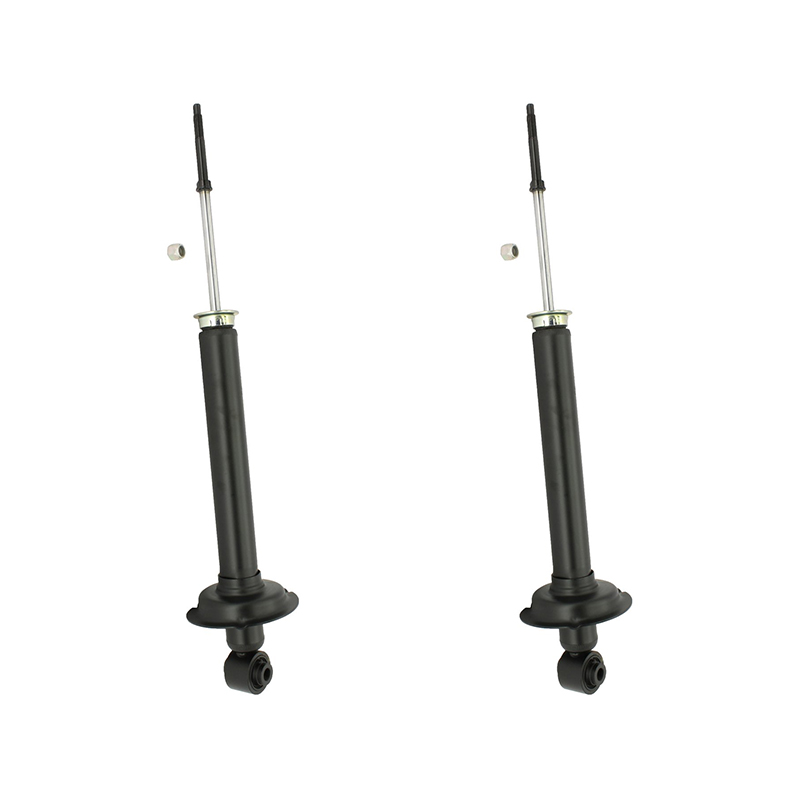
Some roads in Saudi Arabia have complex conditions, and vehicles rely heavily on the chassis and suspension systems during use. High-quality Saudi Arabia car parts in this area typically possess stronger impact resistance and structural stability. Metal parts in the manufacturing process need to balance strength and toughness to withstand frequent road vibrations and temperature fluctuations.
The design of suspension system components also focuses more on balance, ensuring that the vehicle maintains good handling under different road conditions. The core value of these products lies in consistent performance over long-term use, rather than short-term performance improvements, which is a product attribute highly valued by users in the Saudi Arabian market.
Stability Requirements for Electrical and Electronic Components
As vehicles become increasingly electronic, electrical and electronic components in Saudi Arabia car parts face higher standards. High-temperature environments significantly affect the stability of wiring, connectors, and control modules; therefore, products must undergo thorough testing for insulation performance and heat resistance.
In the Saudi Arabian market, the reliability of electrical components often directly impacts the overall vehicle experience. Excellent products minimize contact problems caused by thermal expansion and contraction through detailed design, thus ensuring long-term stable system operation. This durability-oriented product philosophy is an important source of competitiveness for Saudi Arabia car parts.
The Practical Value of Exterior and Wear Parts
Although exterior and wear parts are relatively basic in terms of technology, they are equally important in Saudi Arabia car parts. Long-term high temperatures and sandstorms accelerate the aging of surface parts; therefore, coating processes and material selection directly determine the product's lifespan. High-quality exterior components not only maintain the overall aesthetics of the vehicle but also protect the internal structure to some extent.
The product value of wear parts is more reflected in stable quality and precise fit. For the Saudi Arabian market, frequent replacement does not mean low cost; instead, they prefer more durable products, which has driven the continuous optimization of basic components in Saudi Arabia car parts.
Conclusion
Overall, the core competitiveness of Saudi Arabia car parts does not lie in concepts or trends, but in deep adaptation to the actual operating environment. Whether it's materials, processes, or structural design, components that truly meet the needs of the Saudi Arabian market need to focus on durability, stability, and reliability. This product-centric approach is key to understanding and succeeding in the Saudi Arabia car parts market.
FAQ
What are the most important considerations in material selection for Saudi Arabia car parts?
The most important considerations are high-temperature resistance and anti-aging capabilities. Materials need to maintain stable performance in long-term high-temperature and dusty environments.
Do automotive parts for the Saudi Arabian market require special design?
They usually require optimized design to suit local climate and road conditions, especially in terms of sealing and durability.
How can you determine if a product is truly suitable for the Saudi Arabian car parts market?
You can make a comprehensive assessment based on factors such as the product's long-term stability in high-temperature environments, material quality, and actual user feedback.
Latest News
-
Bypass Shocks: Internal vs External Explained for Truck and SUV Owners
When your vehicle’s suspension starts feeling floaty or bottoms out over bumps, the term “bypass sh...2026-09-17
-
4x4 Shock Absorbers: Choosing, Replacing, and Upgrading for Off-Road SUVs
Your 4x4 feels unsettled on gravel, the rear end sways after a bump, and the tyres are wearing fast...2026-09-11
-
Shock Absorber Replacement Cost: Average Prices and Expert Labor Guide
Your service advisor hands you an estimate for replacing two rear shock absorbers: $680 for parts, ...2026-09-04
-
Struts vs Shocks vs Springs: Suspension Parts Explained for Car Owners
Your suspension starts making noise, and the shop says you need a new strut. You ask whether that i...2026-08-28
-
Shocks vs Struts: What's the Difference and How to Choose the Right Suspension Part
When one repair shop says your car needs a strut and another says it needs a shock absorber, the tw...2026-08-21
-
Coilovers vs Struts: Key Differences, Ride Quality, and How to Choose the Right Setup
The Short Answer Standing in front of two suspension parts that look almost identical, it is easy t...2026-08-14
Quick Links
Contact Us
-
 +86-13757453333
 -
 +86-572-8355557
 -
 Caroline@gerep.cn
 -
 No. 36, South Zhenxing Rd., Zhongguan Town, Deqing County, Huzhou, Zhejiang, China
Please Enter Your Information
Copyright © Gerep Automotive Parts Mfg Co., Ltd. All Rights Reserved.
Custom Variable Durable Shock Absorbers Manufacturers
