 EN
 English
 Español


News
 Home / Blogs / Industry News / Automotive Suspension Systems: New Market Trends Shaping 2026 Buying Decisions
Automotive Suspension Systems: New Market Trends Shaping 2026 Buying Decisions
 2026.11.04
 Industry News
Global automotive suspension systems revenue projections for 2026 range from $52.82 billion to $151.71 billion depending on the research firm. That spread is not a rounding error; it is a definition gap. The Business Research Company puts the 2026 market at $69.69 billion, Mordor Intelligence claims $151.71 billion, and Fortune Business Insights opens at $52.82 billion before reaching $107.12 billion by 2034. Each firm draws its own boundaries around components, channels, and vehicle classes, and those boundaries matter more to a parts buyer than the headline number.
Two signals repeat across every forecast: shock absorbers remain the largest component segment, and the aftermarket channel is growing faster than original-equipment fitment. This article breaks down the market trends that affect replacement and wholesale buying decisions in 2026, with the component-level detail that aggregate reports tend to bury.
1. Why 2026 Automotive Suspension Systems Market Estimates Diverge
Market-size forecasts diverge because each research house defines product scope, channel mix, and geography differently. MarketsandMarkets counts twelve suspension architectures including leaf springs and air suspension, leans heavily on OEM fitment, and arrives at a 0.9% CAGR to $42.43 billion by 2032. Mordor Intelligence aggregates commercial vehicles, aftermarket sales, and passenger cars into a $151.71 billion 2026 baseline growing at 6.15%. The Business Research Company sizes the market near $69.69 billion in 2026, while the US-only forecast from Market Research Future projects $18.5 billion by 2035 from $11.25 billion in 2025.
For a buyer, the lesson is simple: quote a CAGR only after checking what is inside the basket. A 0.9% and a 9.2% CAGR for the same industry cannot describe the same set of products.
CAGR projections for automotive suspension systems by research firm
Table 1 summarizes the published forecasts used in this analysis.
| Research firm | Base year | Horizon | Terminal value | CAGR |
| MarketsandMarkets | 2025 | 2025 to 2032 | $42.43 billion | 0.9% |
| Future Market Insights | 2026 | 2026 to 2036 | Not stated | 4.1% |
| US market (MRFR) | 2025 | 2025 to 2035 | $18.50 billion | 5.1% |
| Mordor Intelligence | 2026 | 2026 to 2031 | $204.46 billion | 6.15% |
| Fortune Business Insights | 2026 | 2026 to 2034 | $107.12 billion | 9.2% |
8.3 percentage points separates the highest and lowest published CAGR forecasts for the same automotive suspension systems industry in 2026.
2. What Electrification Means for Automotive Suspension Systems
Electrification is forcing damper suppliers to cut weight while controlling 300 to 500 kilograms of additional battery mass. A battery-electric crossover sits roughly 20 to 25 percent heavier than its internal-combustion counterpart, which raises pitch under braking, increases load on spring seats and mounts, and pushes ride-frequency targets down. Lightweight materials such as aluminum and carbon fiber are entering knuckles, links, and damper bodies to offset that mass.
- Unsprung mass
- The portion of the suspension not supported by the springs, including the wheel, tire, brake, and damper assembly. Lower unsprung mass keeps the tire in contact with the road surface, so reducing damper weight is not a styling exercise; it is a handling and safety parameter.
Three specification changes define how automotive suspension systems are being re-engineered for electric vehicles:
- Higher low-speed compression damping to control body pitch from battery weight during stop-and-go traffic.
- Stronger rebound control to manage regenerative-braking torque that tries to squat or dive the chassis.
- Ride-height sensor integration and air-spring compatibility so the suspension can level itself around a low, heavy battery pack.
Air suspension is the fastest-growing system component in most 2026 reports because height adjustment also protects underfloor batteries from curb strikes. That trend has a direct aftermarket consequence: an air-spring failure is a more expensive repair than a standard twin-tube damper swap, so fleet operators and workshops are watching replacement costs climb.
3. Passive vs. Active Suspension: Where Growth Actually Concentrates
Passive suspension remains the volume leader; active and air suspension systems grow faster but from a much smaller base. Passive dampers still account for roughly 85 to 90 percent of the installed base worldwide because they are inexpensive, durable, and serviceable. Active systems, which use electronically controlled valves or actuators to adjust damping in real time, are the fastest-growing type, yet they remain concentrated in premium EVs and luxury SUVs.
Passive systems
Fixed valve or manually adjustable damping; twin-tube and monotube construction; 80,000 to 100,000 km service life in normal driving; low unit cost; the default replacement product in the aftermarket.
- Dominant installed base
- Simple diagnosis and repair
- Wide fitment coverage across older models
Active systems
Electronically controlled dampers, air springs, or hydraulic actuators; height and stiffness adjustment; faster-growing category, but tied to newer, high-margin vehicles and more complex repair procedures.
- Fastest growth rate
- Higher cost per corner
- Requires diagnostic tooling
The market-size trap is the same in every report: fastest growing describes a percentage, not a volume. Air suspension may grow at double the rate of passive dampers, but the replacement volume will still flow through passive dampers for the next decade because the global parc is dominated by conventionally suspended vehicles.
4. Automotive Suspension Systems Aftermarket: Replacement Demand Outpaces OEM Fitment
Aftermarket replacement is growing faster than OEM fitment because vehicles stay on the road longer and SUVs keep selling. The average age of a car on US roads reached 12.6 years in 2025, and the global parc now exceeds 1.5 billion vehicles. A shock absorber is a wear item: its seals, valves, and oil degrade across roughly 80,000 kilometers, and the second owner is far more likely to buy on price from a distributor than to visit a dealership.
12.6 yrsaverage age of a US vehicle, 2025
1.5B+vehicles in the global parc
80,000 kmtypical damper service interval
For passenger cars, the replacement pattern favors suppliers with deep model-by-model catalogs. A workshop looking for a front strut for a 1996 to 2000 Honda Civic needs the same part-number accuracy as one working on a 2018 model. Catalog depth across generations is the operational metric that matters, and manufacturers such as Gerep Automotive Parts Mfg Co., Ltd. organize their shock absorber lineup by brand, model, and front-or-rear position to match that search behavior.
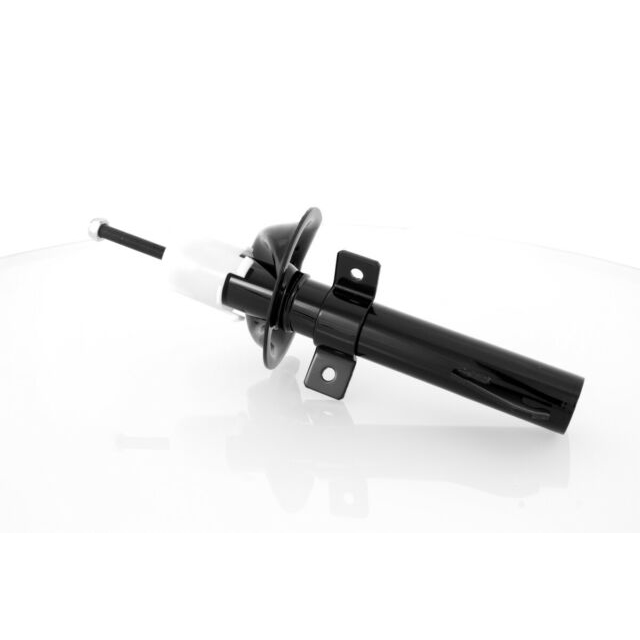
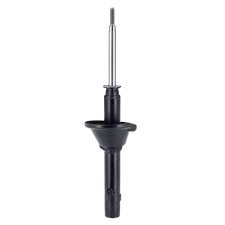 HONDA CIVIC SHOCK ABSORBER Front for Early GenerationsFront shock absorber for Honda Civic models from 1972 to 1983. Listed here for workshops needing precise part identification across early Civic generations, matching the catalog-depth focus discussed above.View Product →
Off-road and SUV demand follows the same logic with tougher duty cycles. Jeep Cherokee, Mitsubishi Pajero, Toyota Land Cruiser, and similar platforms subject dampers to sustained heat, dust, and high shaft velocities. The replacement buyer in this segment prioritizes monotube durability over ride comfort, which is why dedicated off-road damper lines are a separate sourcing category rather than a passenger-car variant.
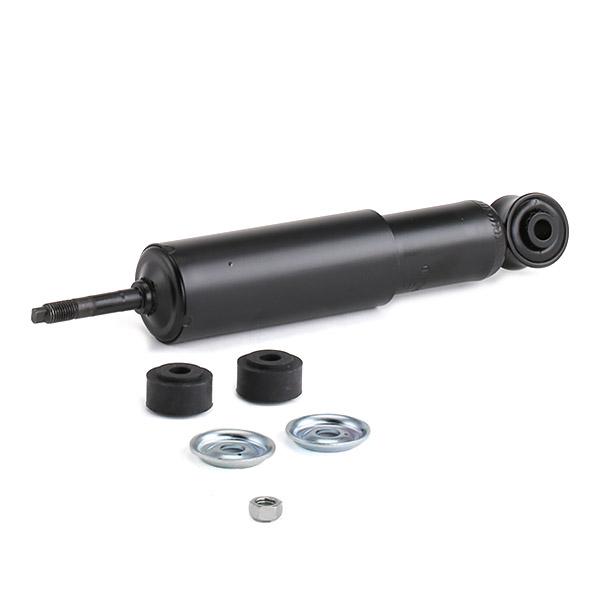
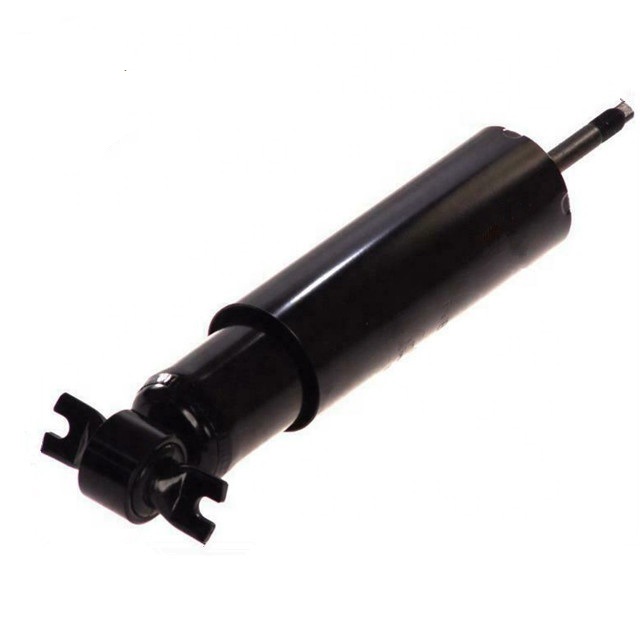 JEEP CHEROKEE SHOCK ABSORBER Front for XJ ModelsFront shock absorber for Jeep Cherokee XJ (1983-2001). Relevant to the off-road section highlighting monotube durability needs for SUVs like Cherokee under sustained heat and dust.View Product →
Commercial vehicles create a third aftermarket lane. Truck shock absorbers are replaced on mileage and load cycles, not on calendar age, and a heavy-duty unit carries significantly more oil volume and a thicker rod to manage axle oscillation under full payload.
5. What These Trends Mean for Suspension Parts Sourcing
Buyers should anchor sourcing decisions on fitment coverage and verification capacity, not on aggregate market headlines. The trends above point in one operational direction: the aftermarket needs broad, accurate, and production-backed SKU coverage across aging vehicles, growing SUVs, and commercial fleets. Here is how to apply that when evaluating a supplier.
- Define the component scope. A damper-only order is different from a strut assembly; confirm whether spring seats, mounts, and brackets are included and whether the supplier manufactures them or buys them in.
- Verify the OE reference against the exact vehicle generation. Front and rear positions are the minimum split; displacement and chassis codes can still change rod diameter and valving.
- Audit catalog breadth across brands and model years. A distributor is only as useful as the number of vehicles his shock absorber line can actually cover.
- Ask for production evidence. A factory page with plant equipment, quality workflow, and component photos is the first check; requesting test parameters is the second.
This sourcing logic is why manufacturers with a dedicated production base publish their company background and plant equipment openly; a supplier that cannot document what is on its production floor is asking the buyer to accept fitment claims on faith.
For fleet procurement, heavy-duty truck dampers deserve a separate evaluation track from passenger-car units, because load cycles, mounting brackets, and oil thermal capacity differ significantly.
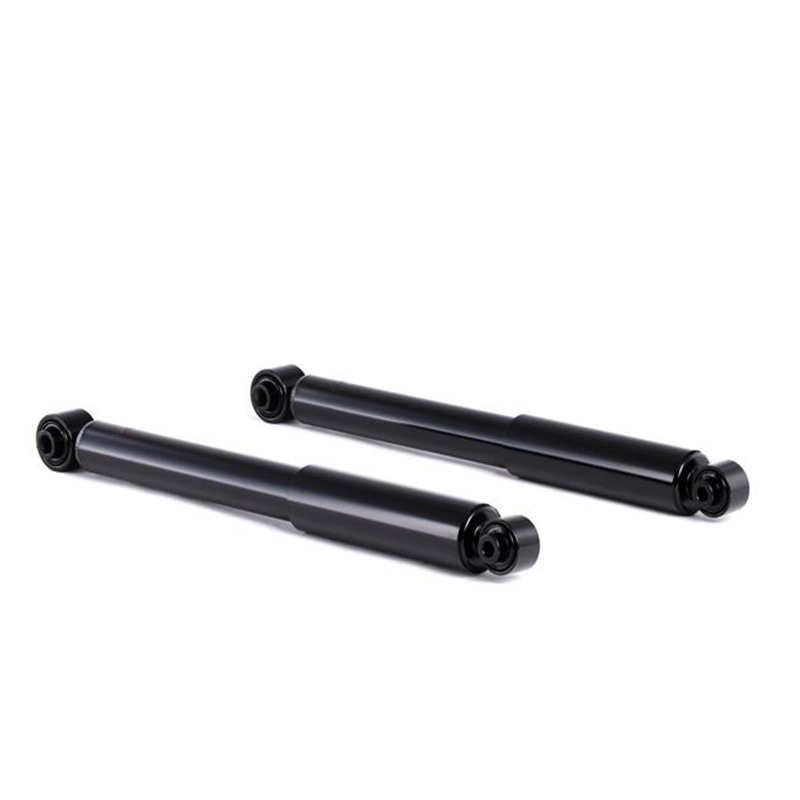
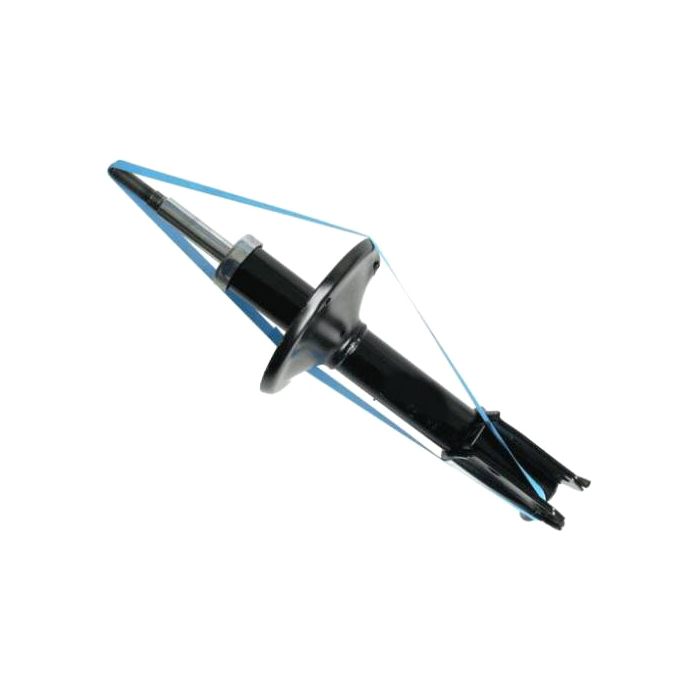 Heavy Duty Truck Shock Absorbers ManufacturersManufacturer page covering heavy-duty truck shock absorbers, including hydraulic and pneumatic types. Supports the fleet procurement discussion on separate evaluation for truck dampers due to load cycles and thermal capacity.View Product →
6. Frequently Asked Questions on the 2026 Suspension Market
Bottom line: the market is growing, passive dampers still dominate volume, and the aftermarket channel is where replacement suppliers will compete.
Is the automotive suspension systems market still growing?
Yes. Every published forecast reviewed for this article shows positive growth, from a 0.9% CAGR to a 9.2% CAGR through the mid-2030s. The median projection is approximately 5.1% per year, driven by aging vehicles, SUV sales, and electric-vehicle weight.
What is the fastest-growing suspension type?
Active suspension systems and air suspension are the fastest-growing segments in most 2026 reports. Both remain smaller than passive systems by volume and are concentrated in premium and electric vehicles, so they will not displace conventional damper replacement demand in the near term.
How do electric vehicles change shock absorber demand?
EVs add 300 to 500 kilograms of battery mass, which increases compression and rebound damping requirements and accelerates seal wear. The service interval stays close to 80,000 kilometers, but air-spring repairs on height-adjustable EVs cost significantly more than standard damper replacement.
What should a wholesale buyer verify before sourcing suspension parts?
Confirm the OE reference and vehicle generation, specify front or rear position, check the supplier catalog breadth, and request production evidence such as factory equipment or test documentation before committing volume orders.
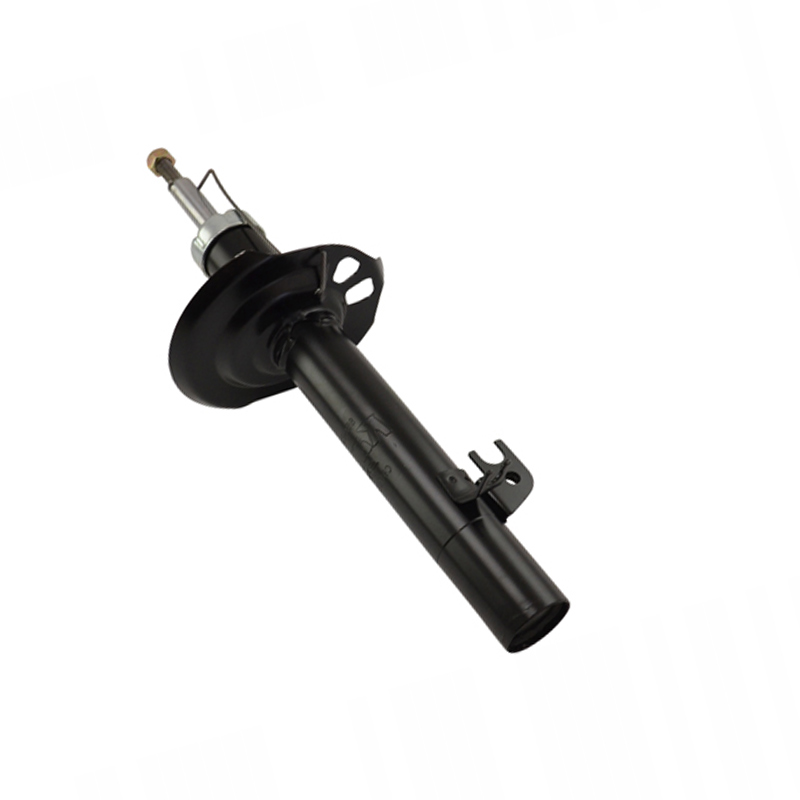
Latest News
-
Automotive Suspension Systems: New Market Trends Shaping 2026 Buying Decisions
Global automotive suspension systems revenue projections for 2026 range from $52.82 billion to $15...2026-11-04
-
Latest Trends in Automotive Suspension Systems: 2026 Buyer Guide for Distributors
Ask a fleet workshop why a set of dampers came off a vehicle last year and the answer is rarely th...2026-10-28
-
The Future of Automotive Suspension Technology: Hydraulics, Electronics, Energy Recovery
A workshop quoting dampers for a 2012 Land Cruiser and a 2025 electric crossover is quoting two di...2026-10-21
-
Advances in Automotive Shock Absorber Technology: What Changed and What to Buy
A 2026-model electric mid-size SUV carries roughly 350 to 400 kg more sprung mass than the combust...2026-10-14
-
The 140th Canton Fair
Heading to Canton Fair 140th 2026 Source factory of auto spare parts. shock absorber Reliable qualit...2026-10-10
-
Key Developments in Automotive Suspension Parts: Trends to Watch in 2026
A workshop in the UK orders a rear damper for a 2012 Audi A4 and receives a twin-tube gas shock wi...2026-10-07
Quick Links
Contact Us
-
 +86-13757453333
-
 +86-572-8355557
-
 Caroline@gerep.cn
-
 No. 36, South Zhenxing Rd., Zhongguan Town, Deqing County, Huzhou, Zhejiang, China
Please Enter Your Information
Copyright © Gerep Automotive Parts Mfg Co., Ltd. All Rights Reserved.
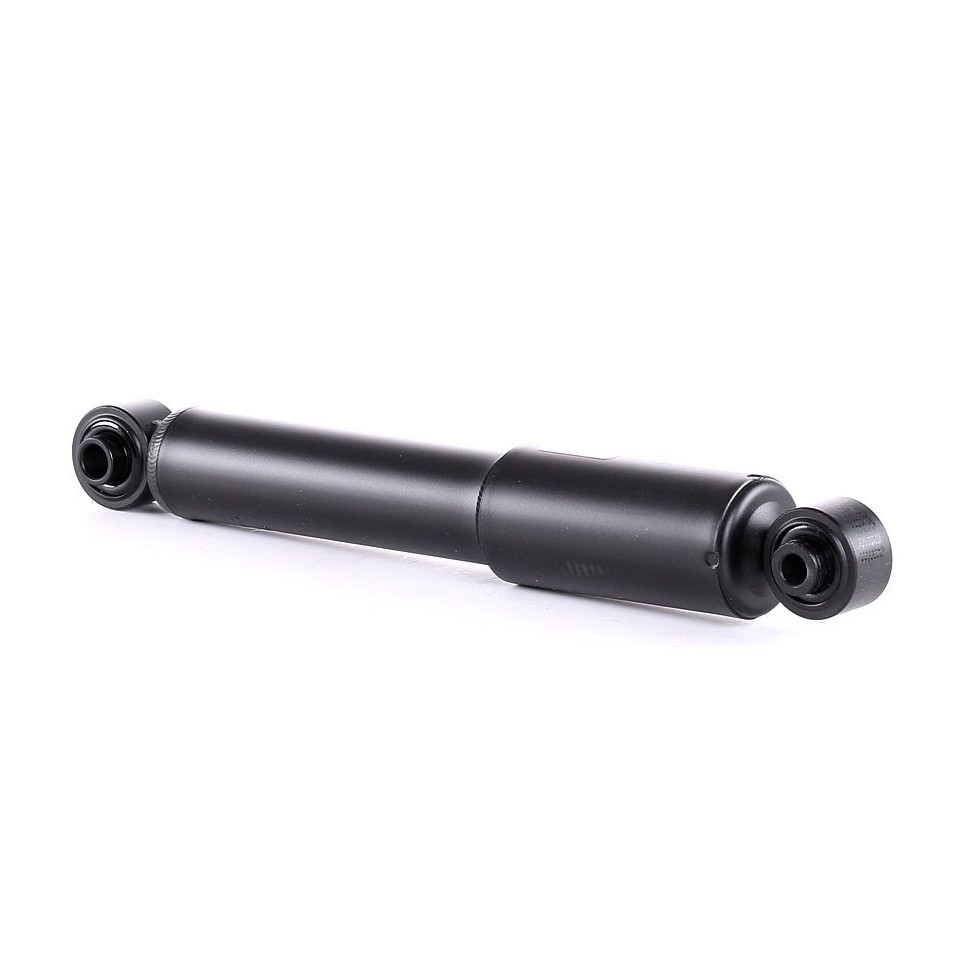
Custom Variable Durable Shock Absorbers Manufacturers
